
Katherine Leiner
From:
New York City, New York
Books by author
Growing Roots: The new generation of sustainable farmers, cooks and food activists
Articles by Author
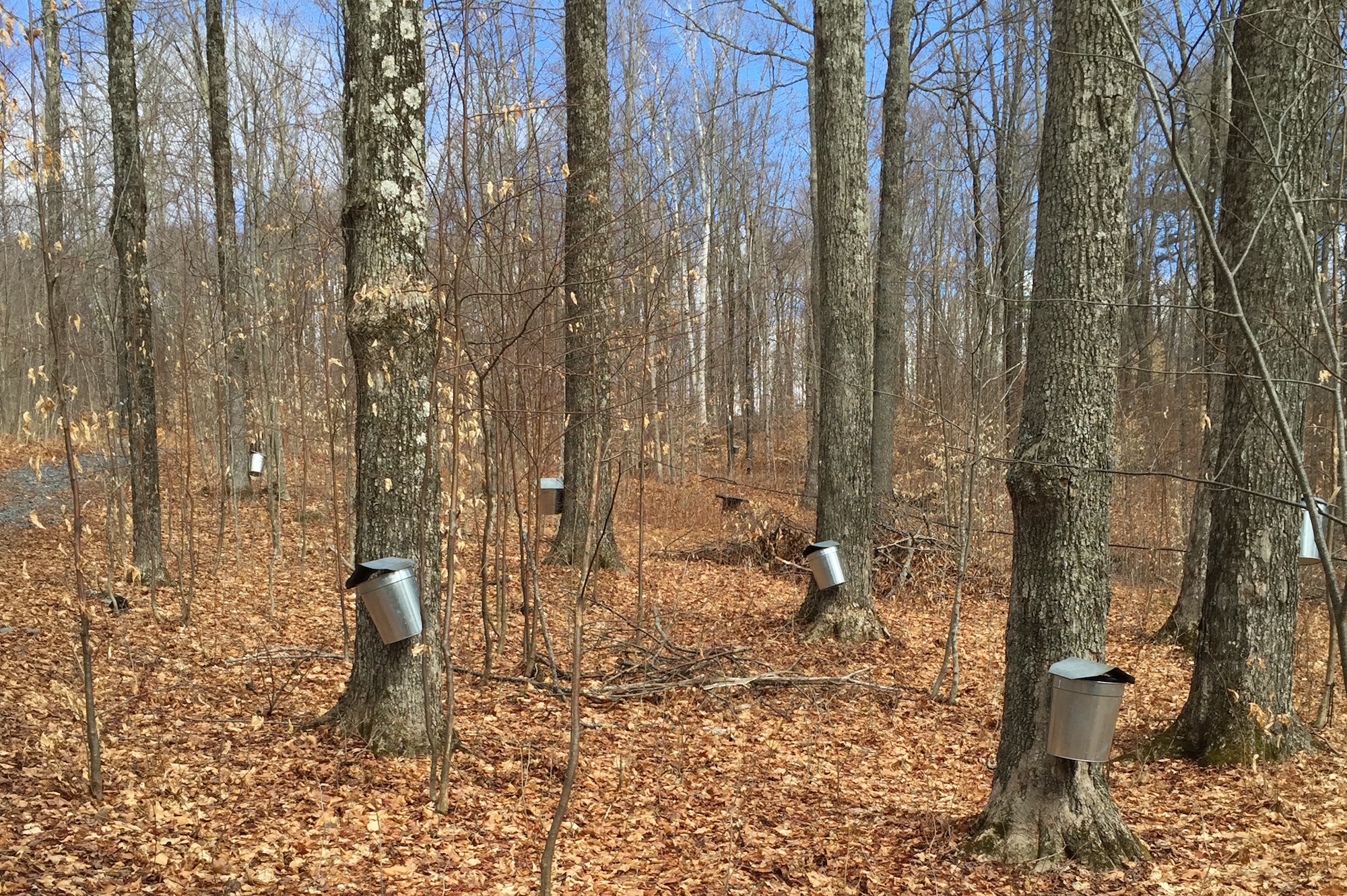
2016 has been an excellent year for maple syrup. In Vermont, the largest producer in the United States, sugaring started during mid-December in some places and mid-March in others — and it seems to be running still.
The sugaring process
Sugaring is one of the delights of late winter in the northeast and heralds the coming of spring. Sugar is made in the leaves of maple trees during summer, stored as starch in the trunks and root tissues with the coming of winter and, finally, converted to the sap that begins to drip after a good freeze followed by a thaw. Sap is mostly clear water with 2% sugar. You need an average of 40 gallons of sap to make a gallon of syrup, but it can take as many as 100 gallons. The sugar content must be 66.9%. It’s a wearing and complicated job. You can see why, in our household, we call maple syrup gold.
Just as the indigenous peoples did hundreds of years ago, sugar makers carefully drill taps into maple trees that measure at least 10 to 12 inches around and then hang their steel buckets to wait for the thaw that causes the sap to drip. The old-fashioned way is to use plastic drip lines connecting one tree to another. The syrup is emptied by hand from each bucket into larger containers spread at convenient spots near the trees and then transported to the sugarhouse at the end of the day.
The production method
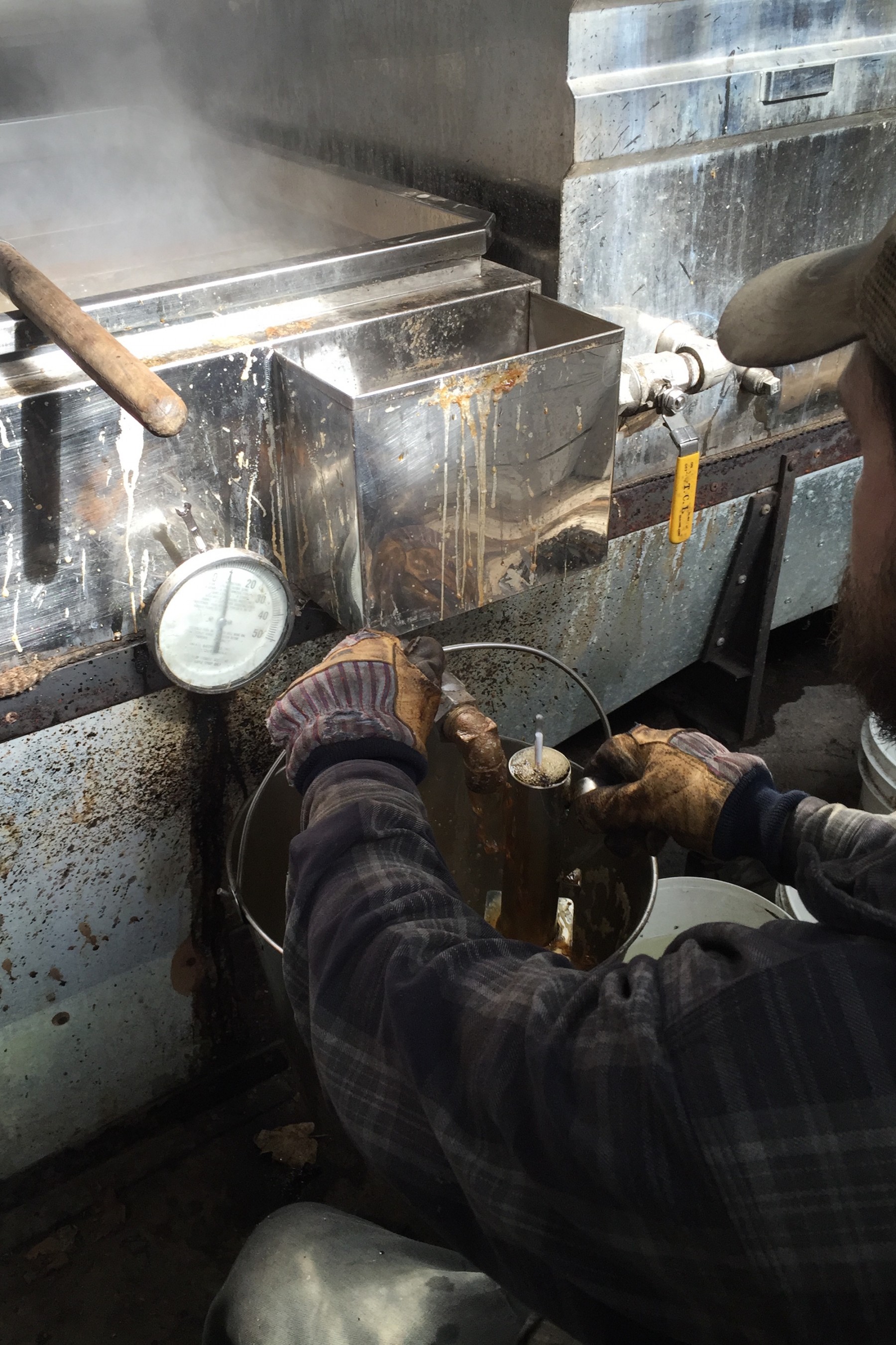
Boiling syrup in the sugarhouse. Credit: Copyright 2016 Katherine Leiner
The sugarhouse is where the evaporation process happens and the boiling is done in a long, rectangular stainless steel pan, which sits on top of a firebox that needs to be filled with wood every five minutes. (The wood may be cut as much as two years in advance to ensure optimal dryness.) It’s an exciting activity to be part of, and the smell of the sap as it thickens is delicious. The sugar maker tests the syrup’s caramelization by pulling a metal scoop through the syrup and watching as it drips. When the temperature of the syrup reaches 219 F, the syrup is ready to draw off. Then it needs to be filtered and graded for color.
Syrup grading
The richness of flavor is graded on a scale from lightest to darkest.
Grade A Golden: Made earlier in the season when it’s colder, this has the lightest color and perhaps the most delicate flavor. Use it on ice cream and for cooking.
Grade A Amber: Made as the temperatures warm, this is slightly darker yet relatively subtle. Use in tea and coffee.
Grade A Dark: Both the color and the taste are stronger, more intense. Use for glazes and pancakes.
Grade A Very Dark: This has the strongest flavor and is good for baking.
What better sweetener than one that comes from our North American woods? Katie Webster’s wonderful “Maple: 100 Sweet and Savory Recipes Featuring Pure Maple Syrup” (Quirk Books, October 2015) answers that question with an overview of the history and science of sugaring as well as a complete guide to grades and recipes from breakfast through dinner. I recommend it highly. Here are two of my favorite recipes incorporating maple syrup. Both are delectable and gluten free.
More from Zester Daily:
» Maple syrup maker’s sweet tree-to-table experience
» Birch syrup: Maple syrup’s sassy cousin from New England
» A Thanksgiving syrup
» Perfect pancakes
Blue Corn Pancakes With Grade A Amber
Prep time: 15 minutes
Cook time: About 10 minutes
Total time: About 25 minutes
Yield: 2 to 6 servings
Ingredients
Grade A Amber maple syrup
2 eggs, separated, yolks beaten wildly and whites beaten until they peak
1/4 cup butter or oil, melted
2 cups sifted blue-corn flour (or one cup blue, one cup yellow if you prefer)
1/4 teaspoon baking soda
1/3 teaspoon salt
2 cups freshly squeezed orange juice
Butter for greasing your pan
Directions
1. Gently warm the syrup in a pan over a low burner.
2. Add the beaten egg yolks to a medium bowl and stir in the butter. In a separate bowl, combine dry ingredients; add them to the egg mixture alternately with the orange juice. Blend well. Fold in the egg whites.
3. Heat a buttered griddle over a medium flame or burner. When it’s hot, spoon the batter onto the griddle, roughly a quarter-cup per pancake. Cook each until bubbles begin to form on the surface, then flip and repeat.
4. Generously pour syrup over the pancakes and serve.
Maple-Ginger Roasted Cod
Prep time: 20 minutes
Cook time: About 15 minutes
Total time: About 35 minutes
Yield: 4 servings
Ingredients
1/2 cup Grade A Dark syrup
2-inch piece of fresh ginger, minced
Salt and black pepper to taste
1/8 teaspoon red-pepper flakes
4 nice pieces fresh cod (I get mine at the farmer’s market), about 2 pounds total
Directions
1. Preheat oven to 350 F.
2. In a small bowl, mix together the syrup, ginger and spices and spoon equal amounts onto the fish. Place the pieces into a casserole dish and pop into the oven.
3. Cook for 15 minutes or until fish flakes with a knife and serve.
Main photo: Maple trees primed for sugaring. Credit: Copyright 2016 Katherine Leiner
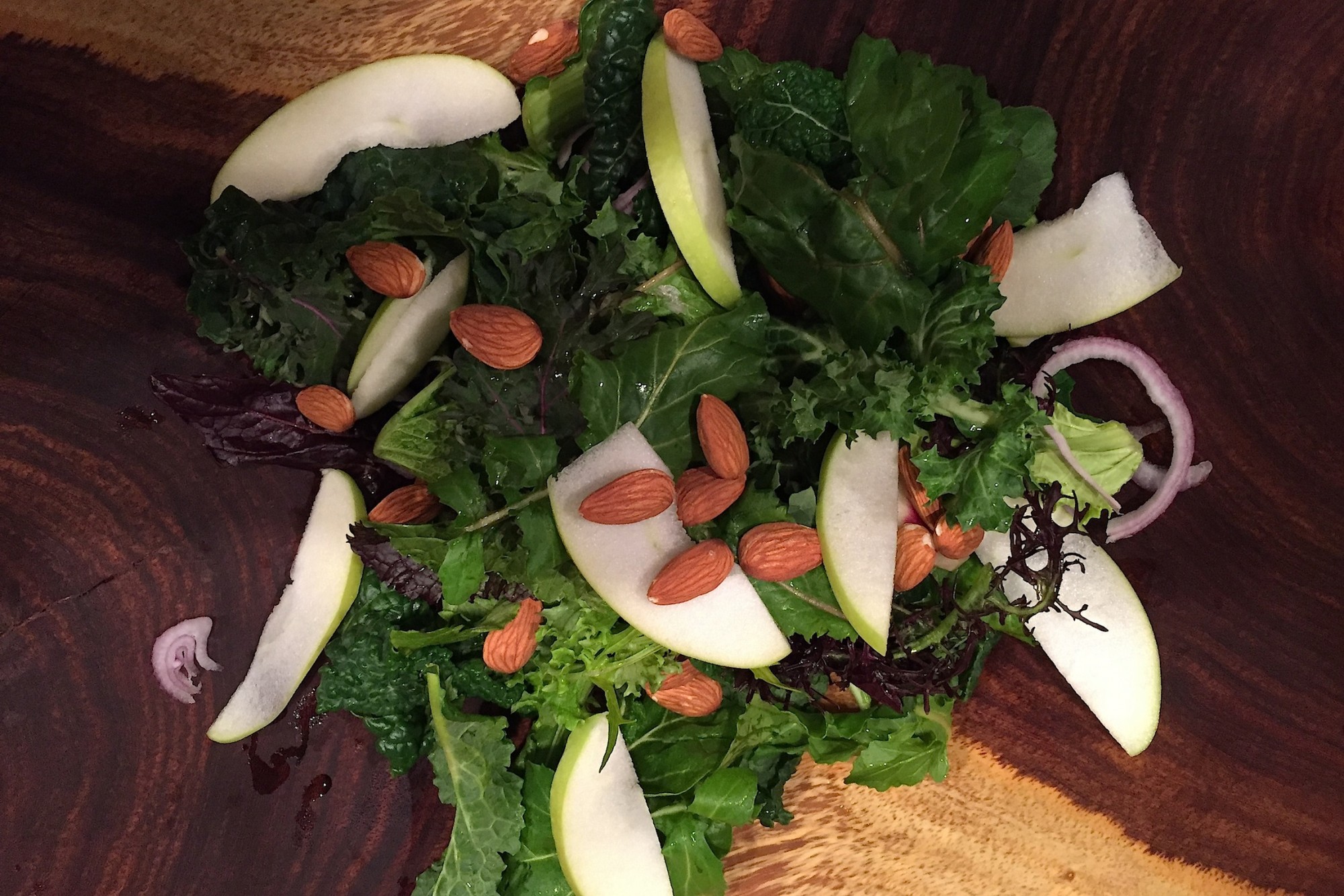
Like 50 million to 70 million other Americans, I battle with insomnia. My love for food inspired me to start there in search of relief. Here’s what I found.
A shopping list for the sleep-deprived
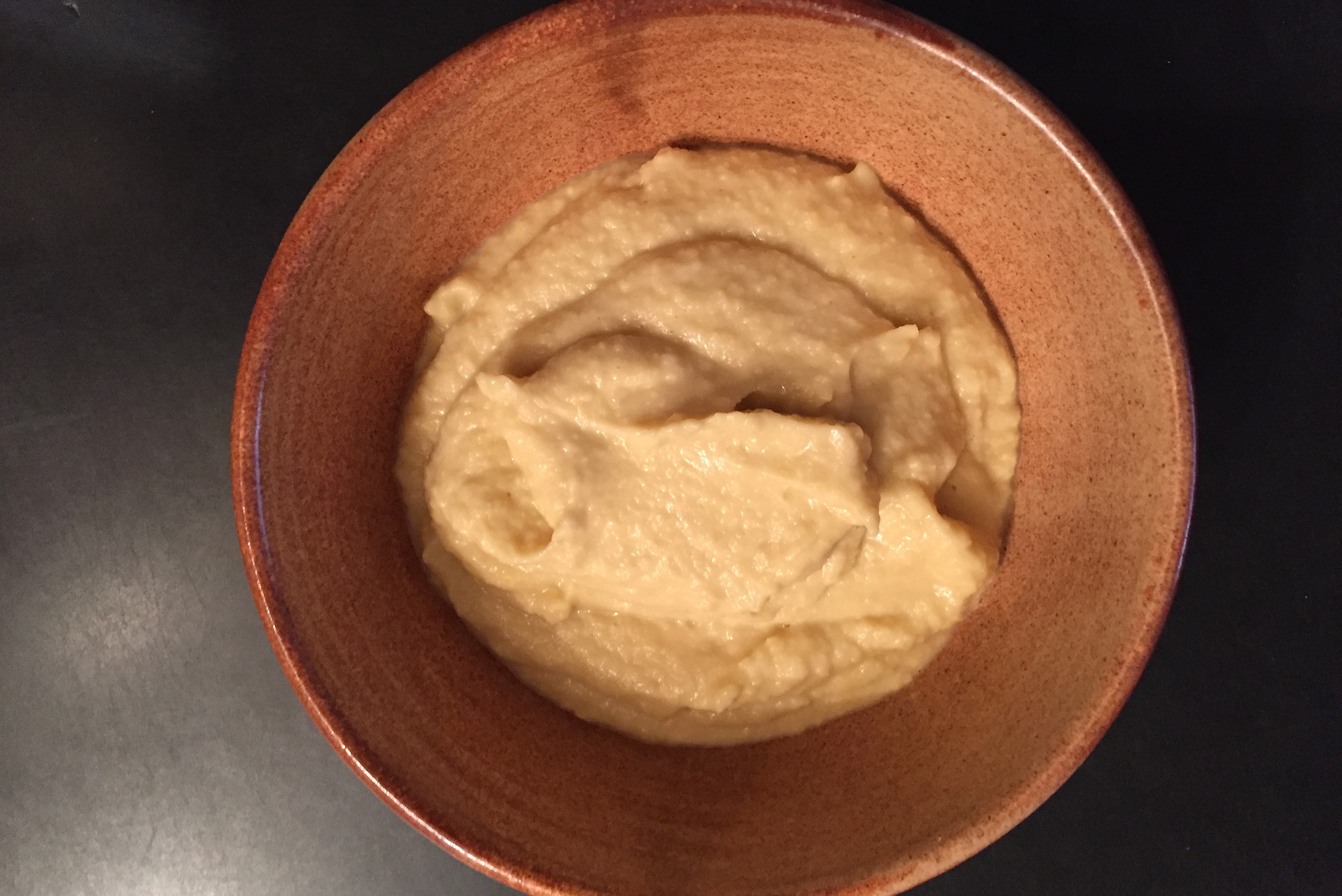
Chickpeas have sleep-inducing properties. Credit: Copyright 2015 Andrew Lipton
Almonds: Rich in magnesium, a mineral needed for quality sleep. A recent study published in the Journal of Orthomolecular Medicine found that low magnesium levels make sleep more difficult.
Carbohydrates: A bowl of your favorite cereal with milk combines carbohydrates and dairy. Along with corn chips, pretzels and rice (especially jasmine rice), cereal has a high glycemic index, which causes a natural spike in blood sugar and insulin levels, shortening the time it takes to fall asleep. Normally we want steady levels to avoid mood swings and insulin resistance. But if you’re in need of sleep, the increase in blood sugar and insulin aids tryptophan in entering your brain and bringing on the sleep.
Chamomile tea: Steeped five minutes with a teaspoon of honey, this increases the glycemic index while acting like a mild sedative to aid relaxation.
Cherry juice: Researchers from the University of Pennsylvania and the University of Rochester say that drinking this before bed will bring on sleep quickly, as cherries boost melatonin levels.
Elk: Contains nearly twice as much tryptophan as turkey!
Honey: Raises insulin and allows tryptophan to enter the brain more easily. A spoonful before bed, whether by itself or mixed into chamomile tea or yogurt, could give you a more restful sleep.
Hummus: Chickpeas are a good source of tryptophan.
Kale and other leafy veggies: Loaded with calcium, these help the brain use tryptophan to manufacture melatonin. If you’re anti-kale, spinach and mustard greens are good options.
Lettuce: A Guatemalan friend swears that drinking boiled water in which three pieces of lettuce have been soaked for 15 minutes before bedtime will put you out. Lettuce contains lactucarium, the milky fluid secreted at the base of a lettuce leaf, which has been reported to cause a mild sensation of euphoria.
Passion-fruit tea: Contains a harmala alkaloid found in high levels in the passion flower. This is a naturally occurring beta-carboline alkaloid that quiets the nervous system. Drinking a cup one hour before bedtime will help induce a sounder sleep.
More from Zester Daily:
» 4 winter remedies hidden in your kitchen pantry
» Ring in the new year with simplicity and health
» 8 apple and honey dishes for a new year of hope
» Mom’s rice porridge soothes a spicy Malaysian dish
Root vegetables: Potatoes, sweet potatoes, carrots, beets, parsnips, daikon and red radishes, jicama, turnips and gourds are rooted in the soil and therefore reputedly ground us. When we are stressed, root veggies are the things to eat; in winter, they give us warmth and balance. Their magnesium helps relax the nervous system, which reduces stress hormones and helps the body rest; try eating them with leafy greens for additional magnesium. Potassium, which lowers blood pressure and calms the body, is found in high levels in root veggies, as is vitamin C, which does not deplete when cooked. And root veggies are complex carbohydrates, which produce serotonin (without causing a sugar rush) and lower stress. They can therefore help you sleep soundly without waking up.
Shrimp and lobster: Crustaceans contain a lot of tryptophan, which the body converts to serotonin and melatonin.
Walnuts: A good source of tryptophan, an essential amino acid that can enhance sleep by helping to produce the hormones that set our sleep-wake cycles — namely serotonin (a hormone in the pineal gland that communicates information between neurons) and melatonin (which controls the body’s circadian rhythm). Walnuts also contain their own source of melatonin.
Warm milk: My grandma used to say warm milk can help you sleep, but so can any dairy product ingested before bedtime, including cheese and yogurt. Calcium helps the brain use the tryptophan found in dairy to manufacture sleep-triggering melatonin. It also plays a role in regulating muscle movements, quieting the muscles.
A meal to excite the tastebuds yet calm the system
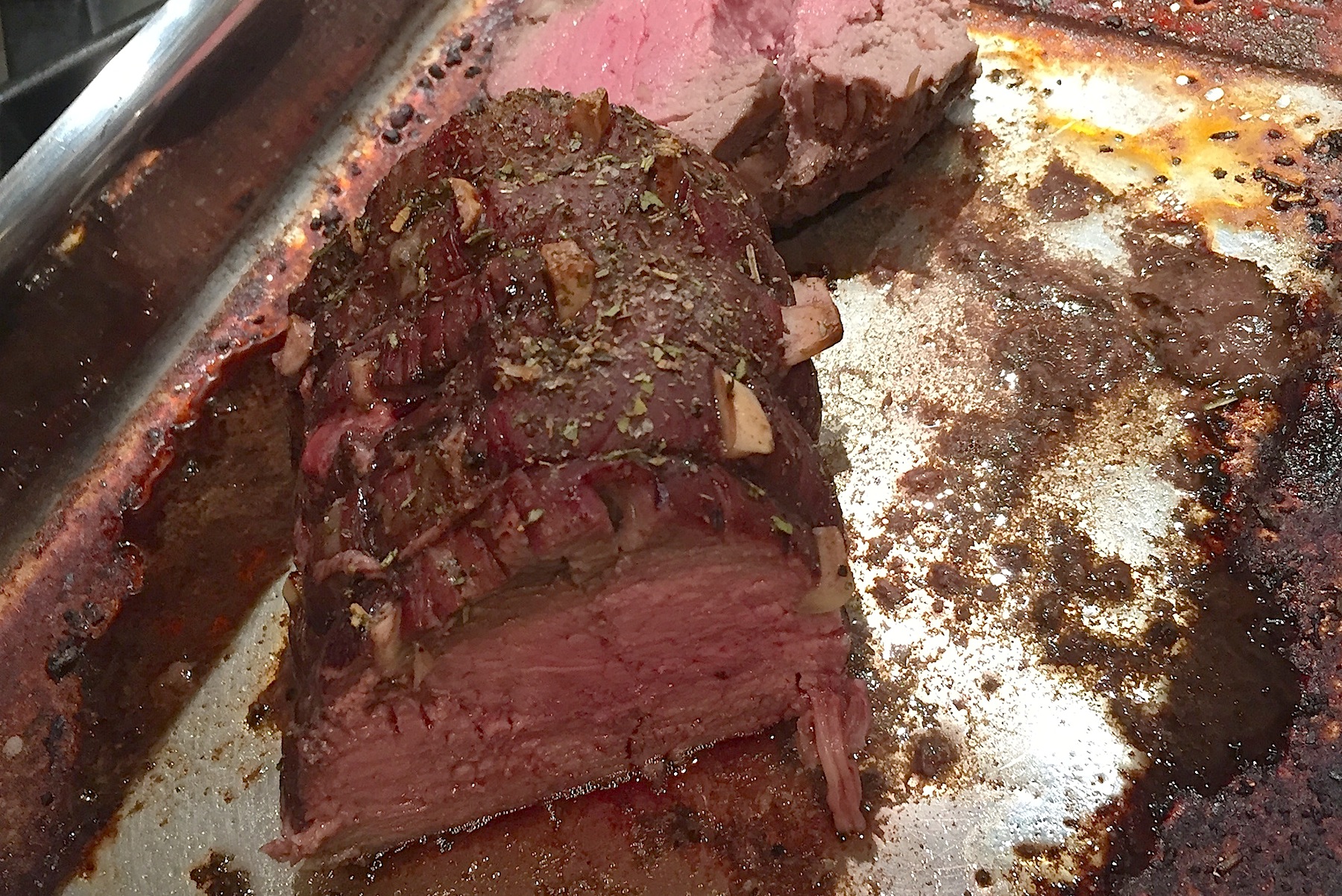
Elk tenderloin cooked in the pan. Credit: Copyright 2015 Andrew Lipton
Here’s a perfect dinner that’s sure to induce sleep. Any full-bodied Pinot Noir or Cabernet will pair nicely.
For more information on health and sleep, see Ronald Bazar’s new book, “Sleep Secrets: How to Fall Asleep Fast, Beat Fatigue and Insomnia and Get a Great Night’s Sleep.” Also check out Jenny Herman’s website, Healdsburg Nutrition.
Sweet dreams!
Hummus
Ingredients
8 ounces dry chickpeas, soaked overnight, plus 8 ounces canned chickpeas, drained and rinsed
1 clove of garlic, minced
Big splash of olive oil
Several pinches salt
4 tablespoons cold water
Directions
Blend all ingredients in a food processor. Serve with pita chips.
Kale salad
Ingredients
1 handful black kale per diner, washed, stemmed and lightly crunched with salt
1 handful toasted walnuts
Thinly sliced red onion or shallot
4 tablespoons olive oil
Squeeze of 1 lemon
1 tablespoon honey
Directions
1. Slice the kale very thin. Place in a bowl with the walnuts and onion or shallot.
2. Whisk together the oil, lemon and honey, add to the salad and toss to coat.
Roasted Elk Tenderloin
Ingredients
2 pounds of elk tenderloin
1 clove garlic, minced
1/2 teaspoon salt
1/2 teaspoon pepper
2 tablespoons olive oil
1 lemon
Directions
1. Preheat oven to 375 F.
2. Pat tenderloin dry with a paper towel and rub with garlic. Season with salt and pepper.
3. Heat olive oil in an ovenproof skillet. When almost smoking, sear tenderloin on all sides. Drain off the oil and squeeze the juice of the lemon onto the elk.
4. Place pan with elk in the preheated oven. Roast for 10 to 14 minutes until medium-rare, then remove and let rest for 5 minutes. Slice to serve.
Jasmine Rice Pudding
Ingredients
2 cups water
2 tablespoons unsalted butter
1/4 teaspoon salt
1/2 teaspoon finely grated lemon or orange zest
1 cup jasmine rice
4 cups whole milk
1/2 cup sugar
1/2 vanilla bean, halved lengthwise
1 cup raisins
Ground cinnamon and heavy cream for garnish
Directions
1. Combine water, butter, salt and zest in a heavy saucepan; bring to a boil.
2. Stir in the rice and return to a boil. Cover and simmer until all water is absorbed, 10 to 15 minutes.
3. Combine milk, sugar and vanilla bean in another heavy, uncovered saucepan and bring just to a simmer, stirring until most of the milk is absorbed and you have a creamy substance. Pour carefully into the rice and mix to combine.
4. Transfer to a serving bowl, and serve sprinkled with cinnamon and heavy cream poured on top.
Main photo: Kale salad with walnuts for a healthy new year. Credit: Copyright 2015 Andrew Lipton
New York’s Hudson Valley is fertile terrain for organic farmers. Organic is a gentler, more gracious way of farming, seemingly old-fashioned when compared to the prevailing industrial example, where chemicals, fertilizers and pesticides are used. When asked by those in corporate farming, “How are you going to feed the world?” Ken Kleinpeter of Glynwood Farm in Cold Spring, New York, speaks for many organic farmers when he answers: “I don’t have to feed the world, I have to feed my community, and someone could feed their community, and someone else could feed their community. That’s how we’re going to feed the world.”
More from Zester Daily:
» From online to organic
» Growing demand for all things organic
» Local grains: Farm to bakery bread is hot
» Going organic in the yard
The free banquet for 400, held at the Garrison Landing on the Hudson River about 50 miles north of New York City, was the brainchild of Garrison locals Stacey Farley and Carinda Swann. “And it all started with the plates,” Farley says. “I looked around my kitchen and noted that none of my plates were made in the U.S.A. Seems like if we are going to all the trouble to grow organic fruits and vegetables and grass-fed meats locally for farm to table, why not serve this precious and delicious food on homemade ceramic plates!”
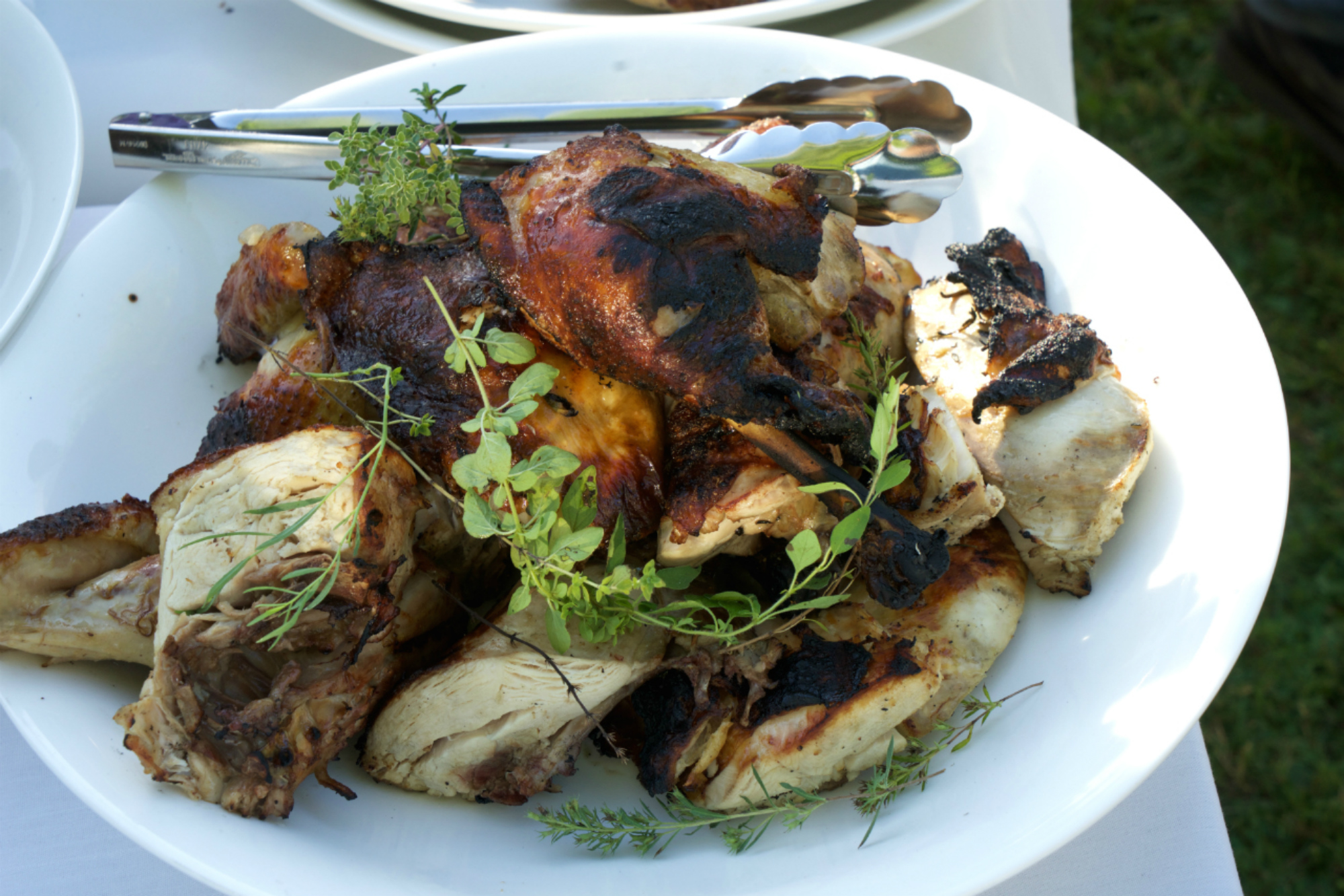
So local artist and potter Lisa Knaus set about over the summer teaching people in the community to make plates. The ensuing meal, served on the plates, included locally grown vegetables, homemade mozzarella, baguettes, chicken and fruit tarts. What ensued was a lovely, generous community meal, a summer’s last prayer before fall, and a gathering of people who will long remember its grace and beauty.
Main photo: Glynwood Farm provided the locally focused meal’s chicken, which was brined and peppered and simply delicious. Credit: Copyright 2015 Andrew Lipton
As the cold Northeastern winter laid yet another wet snow on New York City, Back Forty West, Peter Hoffman’s wonderful restaurant at 70 Prince Street, sported its sixth annual celebration of cassoulet. As Hoffman said in his introductory words, each year this festival brings folks together to enjoy different incarnations of this wonderful, rich slow cooked bubbling mixture of beans and meats.
More from Zester Daily:
» The food trucks that serve a better kind of justice
» Cooking with rabbit
» Rabbit recipe re-created
» Black-eyed peas draw full flavor from African roots
Adam Gopnik, who has written extensively about cassoulet in his book, “The Table Comes First,” reminded us that the cassoulet originated in the south of France, but variations of it are found in most countries of the world — feijoda in Latin America; solet in Hungary; cholent, a traditional Jewish stew; fabada asturiana in Spain; pasulj in Serbia, or even just baked beans, sausage and sauerkraut as my Swedish mother loved to assemble. It is a simple, traditional mixture of slow-cooked — often on their own — white beans, and then added to any combination of lamb, pork skin, sausage or duck confit. The dish is named after its traditional cooking vessel, the casserole, a deep, round, earthernware pot with slanting sides, but any large, heavy Dutch oven or stainless steel stew pot will do.
Each year, Hoffman seeks to benefit a different charity. This year’s Back Forty evening benefited Drive Change, an organization that mentors, hires and trains formerly incarcerated youth in order to prepare its fare and operate the nonprofit’s food truck. Drive Change chef Jared Spafford, who was formerly from Marlowe and Daughters and Flying Pigs Farm, was one of five chefs whose cassoulet graced the evening. Spafford’s interpretation consisted of rabbit confit, smoked pork belly, and black garlic sausage (recipe below).
Chefs who contributed a cassoulet
Jon Check from Buttermilk Channel in Carroll Gardens, Brooklyn, divined an original Southwestern interpretation of cassoulet that included Rancho Gordo heirloom beans, lamb shoulder, pheasant sausage and pork belly.
Hoffman’s was a more traditional presentation coming straight from a heavy iron pot that was cooked over the fabulous open fire in the Back Forty West dining room and included a delicious mixture of Flageolet beans, duck confit, chorizo and smoked pork belly.
Sara Jenkins’ delicious addition of lamb shoulder with a small merguez sausage laid on the lentil bed was another original interpretation. Her restaurant in the East village, Porsena, focuses on inspired pasta dishes.
Peter Lipson from Northern Spy Food Co. on 12th Street concocted an original mixture using cattle beans, guanciale, merguez and pork belly with quickly cooked veggies and a garni of crushed spicy corn chips, cilantro and sour cream. A Southwestern delight.
The meal ended with a radicchio citrus salad followed by grapefruit and orange sorbet on a spoon.
Upon leaving the restaurant, we visited the Snowday Food Truck parked out in front and were offered a Maple Snow Lolly (traditionally served with hot syrup dripped on snow).
A fabulous dining experience with a side of social change.
Rabbit Confit, Smoked Pork Belly and Black Garlic Sausage Cassoulet
Cassoulets can be a simple throw-together meal made of leftover meats and beans. Recipe courtesy Jared Spafford
Rabbit brine
Prep time: 10 minutes
Cook time: Brine for 24 hours
Total time: About 24 hours
Yield: 6 to 8 servings
Ingredients
1 quart whey
3/4 cup shallots, sliced
1/2 cup ginger, sliced
4 cloves garlic, smashed
2 Thai red chilies, split
2 kaffir lime leaves
8 sprigs thyme
4 bay leaves
1 1/2 tablespoon white peppercorn
1 1/2 tablespoon mustard seeds
1 tablespoon coriander seeds
1 teaspoon curry powder
1 rabbit, cut into 6 pieces
Directions
1. Bring whey to a simmer, cut heat, stir in all ingredients besides rabbit.
2. When solution cools, add rabbit. Place in ziplock bag and remove air; brine for 1 day.
Rabbit Confit
Ingredients
1 to 1 1/2 quarts lard
4 stalks celery
4 shallots, sliced
4 cloves garlic, smashed
8 sprigs thyme
8 sprigs parsley
3 bay leaves
3 puya chile
1 cascabel chile
1 teaspoon smoked paprika
1 teaspoon turmeric
2 tablespoons salt
1 tablespoon white peppercorn
1 teaspoon cardamom
1 rabbit, brined for 24 hours
Directions
1. Warm lard until it turns liquid, add all ingredients except rabbit. Let ingredients steep for 30 minutes, add rabbit.
2. Cook in oven at 300 F for 2 to 2 1/2 hours, until meat pulls away from bone cleanly. Remove from oven, let cool.
3. Place in fridge overnight (2 to 3 days is optimum).
Beans
Prep time: Soak overnight, sprout for 2 to 3 days
Cook time: 6 to 7 hours on low heat
Total time: Several days of preparation
Ingredients
3/4 pound scarlet runner beans
3/4 pound yellow eye peas
3/4 pound navy beans
2 quarts pork stock
1 quart water
1 cup cider vinegar
1 cup maple syrup
2 bay leaves
8 sprigs thyme
8 sprigs parsley
1 1/2 tablespoon mixed peppercorn
Peel from one orange
Peel from one lemon
1/2 cup salt
Directions
1. Soak beans overnight with 3 times volume of water. Drain next day. Leave beans in colander on counter for 2 to 3 days, rinsing beans until water runs clean a few times a day.
2. When beans have begun sprouting, add to Dutch oven with rest of ingredients.
3. Braise beans covered at 300 F for 4 hours. Remove cover and continue cooking until soft, 1 to 2 more hours. Remove from oven and let cool.
4. Let beans rest in container overnight (2 to 3 days is optimum).
Smoked Belly
1 pound slab bacon
Score skin in a diamond pattern. Roast in oven at 300 F for 2 to 3 hours, until fat is fully rendered and skin is crispy. Remove from oven and weight down in a pan over night in fridge to compress belly.
Black Garlic Sausage
Prep time: 45 minutes
Cook time: 10 minutes
Total time: 55 minutes
Ingredients
1 head garlic, roasted
4 cloves garlic, minced
1 head black garlic, mashed
2 teaspoon ground white pepper
2-plus tablespoons salt
2 pounds ground pork
Directions
1. Mash all garlic together in mortar to form a paste.
2. Thoroughly mix garlic paste, salt and pepper with ground pork. Cook small test piece to check seasoning, adjust with salt and pepper as needed.
3. Let mixture rest overnight.
4. Form 3/4-inch balls with sausage, do not overwork. Cook in oven at 400 F for 9 minutes. Remove and drain off drippings.
Tomato
Prep time: 5 minutes
Cook time: 45 minutes
Total time: 50 minutes
Ingredients
1 cup white onion, diced
3 cloves garlic, minced
1 (16-ounce) can crushed tomatoes
Directions
1. Sweat onions and garlic until they turn light brown.
2. Add tomatoes and stir to combine.
3. Roast in oven uncovered at 375 F for 30 minutes. Reduce to 300 F and continue cooking for another 30 minutes. Remove and let cool
Cassoulet
1 rabbit confit, meat shredded
Braised beans
Smoked belly, sliced
Black garlic sausage
Tomato mixture
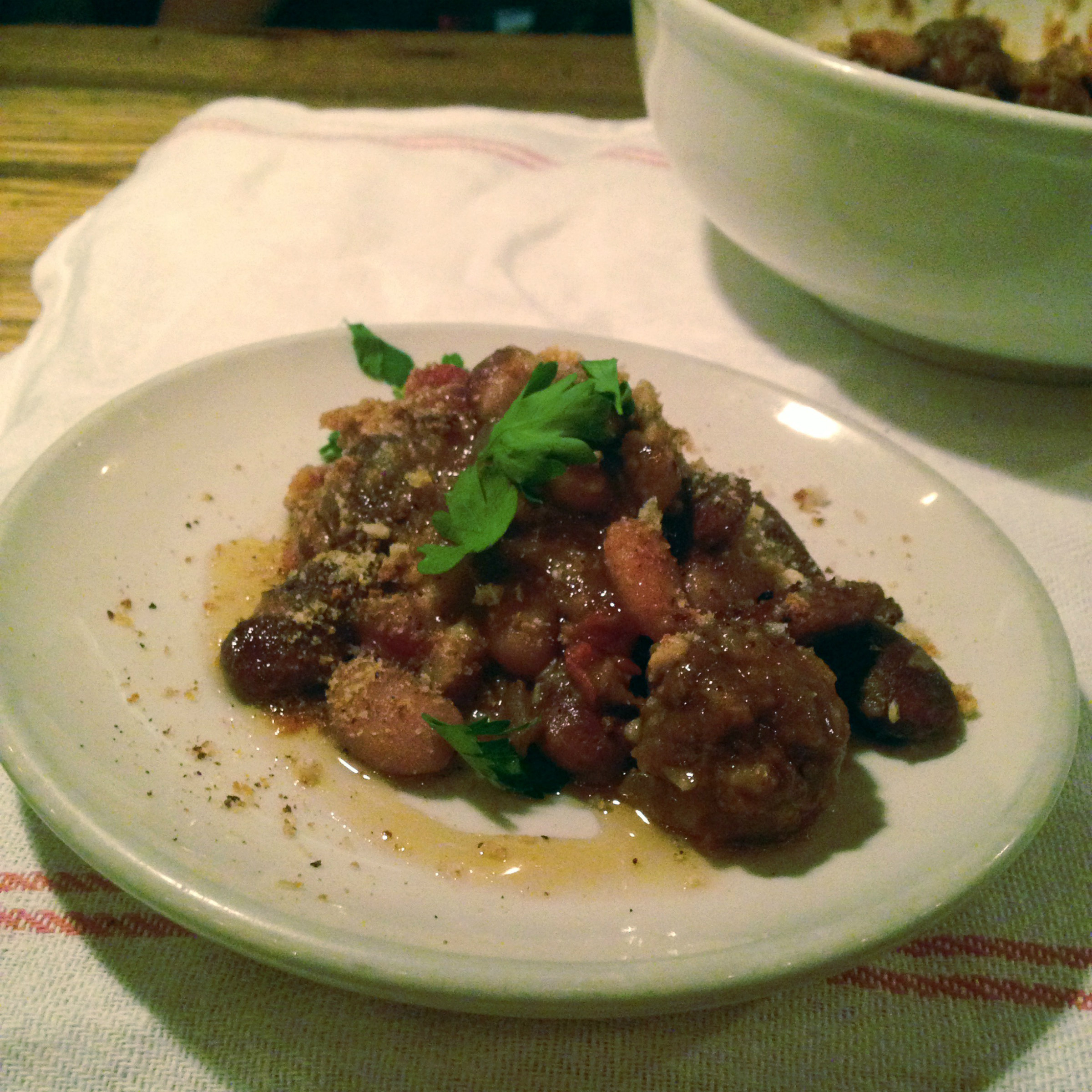
Fold all ingredients together and place in oven at 300 F to warm through. Let stand for 15 minutes before serving. Dress with parsley, bread crumbs and maple syrup.
Main photo: A hearty cassoulet featuring rabbit confit, smoked pork belly and black garlic sausage helps ward off a cold winter night. Credit: Jared Spafford
Travel through Northern California and signs of the severe drought are everywhere. In suburban Healdsburg, front lawns are dead, flowers faded, home vegetable gardens finished weeks early. The same can be seen in Sebastopol, Sonoma and Santa Rosa. The Russian River above Redwood Valley is dry.
An article in “The Press Democrat” in Santa Rosa reported a high school sophomore’s unique water fence concept, a fence that stores rainwater. Ingenious. But there’s been no rain to store for at least three months.
California’s groundwater resources are in jeopardy, declining for many years at rates never seen before.
“Reliable groundwater supplies in California are essential to the health and well-being of all Americans. About half of the fruits and vegetables are grown in California. Without an improved management of groundwater in the state, California’s agricultural capacity will become smaller and unreliable,” says Miles Reiter, chairman and CEO of Driscoll’s, a leading supplier of fresh berries.
More from Zester Daily:
» Wine pioneer’s progress
» ‘Symphony of Soil’ shines light on what’s gone wrong
» Debunking myths about agriculture
» The dynasties of Napa
How are wineries faring in drought?
If the drought is endangering fruits and vegetables, what are its effects on the region’s vineyards?
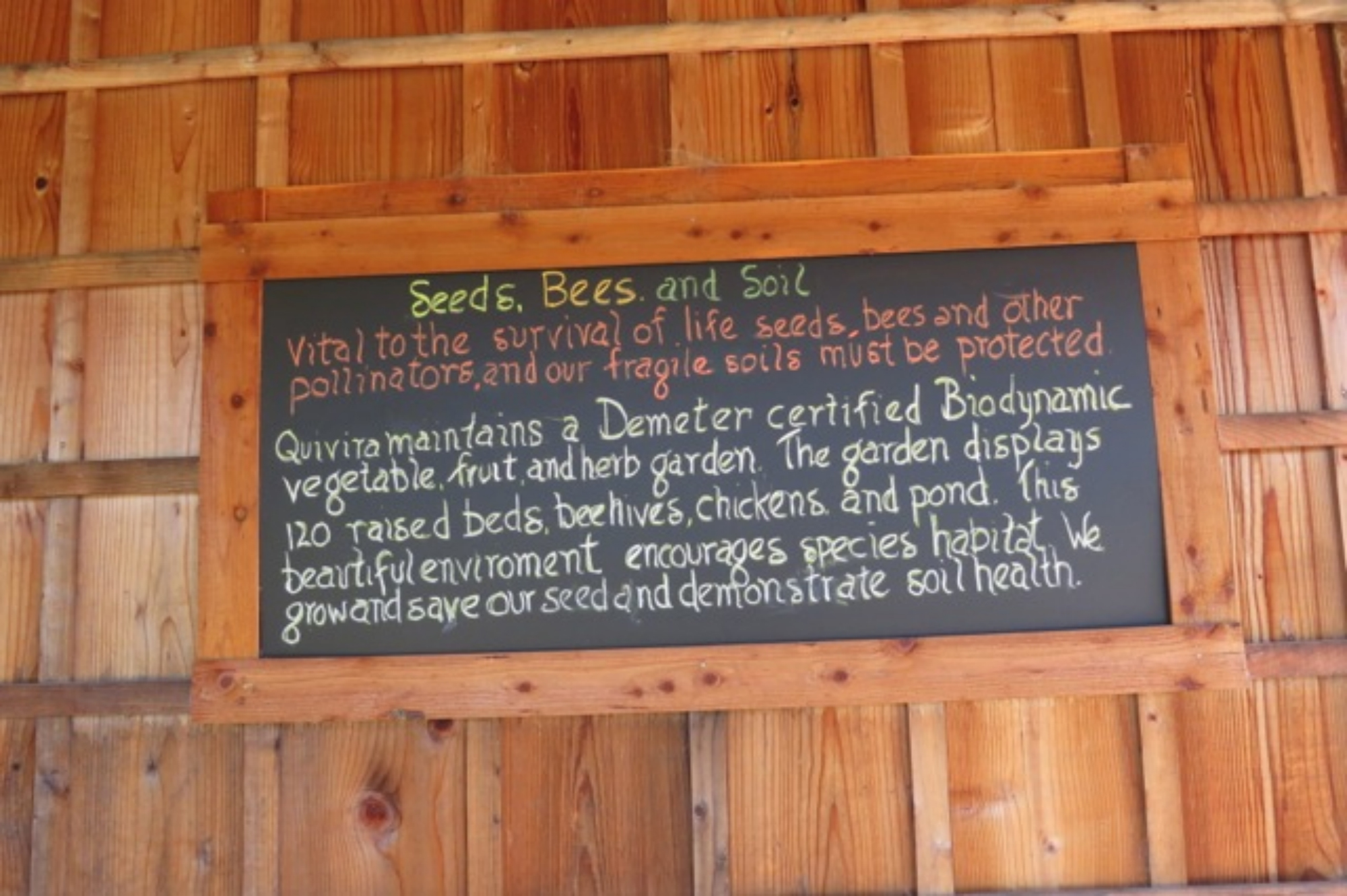
Quivira and DaVero, two vineyards in the Dry Creek Valley, have incorporated the practices of biodynamic farming.
Biodynamics is a spiritual-ethical-ecological approach to agriculture, food production and nutrition. It stresses a holistic understanding of agriculture, treating all aspects of a farm, from soil fertility to the livestock, as interrelated. The principles, that agriculture seeks to heal the earth, were introduced by Rudolf Steiner in 1924.
People tending biodynamic vineyards have spent years conditioning their soils with preparations made of fermented manure, minerals and herbs, and understanding the use of earthly and cosmic rhythms and cycles in creating a healthy farm.
Biodynamic farmers also pioneered some of the first Community Supported Agriculture (CSA) ventures. CSAs began taking root in Europe and Japan in the 1960s, and the movement had come to the United States by the mid-1980s.
Biodynamic guru
Quivira Vineyards and Winery specializes in small-lot wines from varietals specifically matched to the effects of hot summer days and cool coastal nights on its soil.
Jim Barauski, the biodynamic guru for Quivira says, “Going biodynamic was a decision made with a conscience toward moving away from cultivation and building better soils. Anthroposophy is the spiritual science behind biodynamics. If we take something out of the soil, we put something better back in. We feed the microbiotic life with natural, time-tested techniques.”
The winery’s large demonstration garden is a real awakening. The herbs and berries are neatly arranged in beds, the signage hand-printed and not a weed in sight. The beehives — a design called Golden Hives — were designed for the health and development of the colony and to minimize the impact from human interaction (more frequent opening of hives weakens their health).
Vineyard manager Ned Horton says he quietly works with the bees and rarely, if ever, gets stung.
“The health of the bees has been challenged on many levels, and the difference in bien (one-being, or oneness, that describes a bee colony) has to be understood within the context of the global landscape and the current one-dimensional human world view. The challenges for the well-being of the bees reflect our own struggle in our striving for health and happiness. The bees are intended to support the gardens and herbs, and the gardens of course, support the wines,” Horton says.
Each year, Quivira also plants a substantial amount of cover crops, which helps conserve water use. These plants also decompose, fortifying the soil, and open pathways for worms that aerate the soil, eventually creating a balance or a homeostasis.
Winemaker Hugh Chappelle says, “The light from the environment falls into matter so there is some quality of light in the wine. The entire vineyard is, in a way, like a human being, so complex and so individual. But as much as possible, each living thing on the farm supports the other.”
Winery started with olives
DaVero Farms and Winery, started by Ridgely Evers and Colleen McGlynn in 1982, is a 30-acre farm on which the couple had planted one olive tree. In 1990 they began to import olive trees from Tuscany. Through the years, their olive oil has been acknowledged as some of the best in the world.
In 2000, the couple planted their first small vineyard in Sangiovese and then the rare Sagrantino, Italian varietals because the Dry Creek Valley’s climate is similar to that of the Mediterranean region, characterized by hot, dry summer days and cool nights.
In 2007 Evers and McGlynn began the process of converting DaVero to biodynamic. Mary Foley, the original soil manager, transformed the soil into a vibrant, healthy farm. Foley, however, moved to the Sierra and advises from afar; Michael Presley now has the job.
As the tour finished with a lunch and wine tasting, the temperature at the vineyard had hit 95 degrees.
Presley promised it would begin to rain on Sept. 22. “It always does,” he claims.
Having seen a series of seemingly magical transformations through biodynamic gardening at the wineries, anything seemed possible.
It rained on Sept. 18.
cauliflowersalad
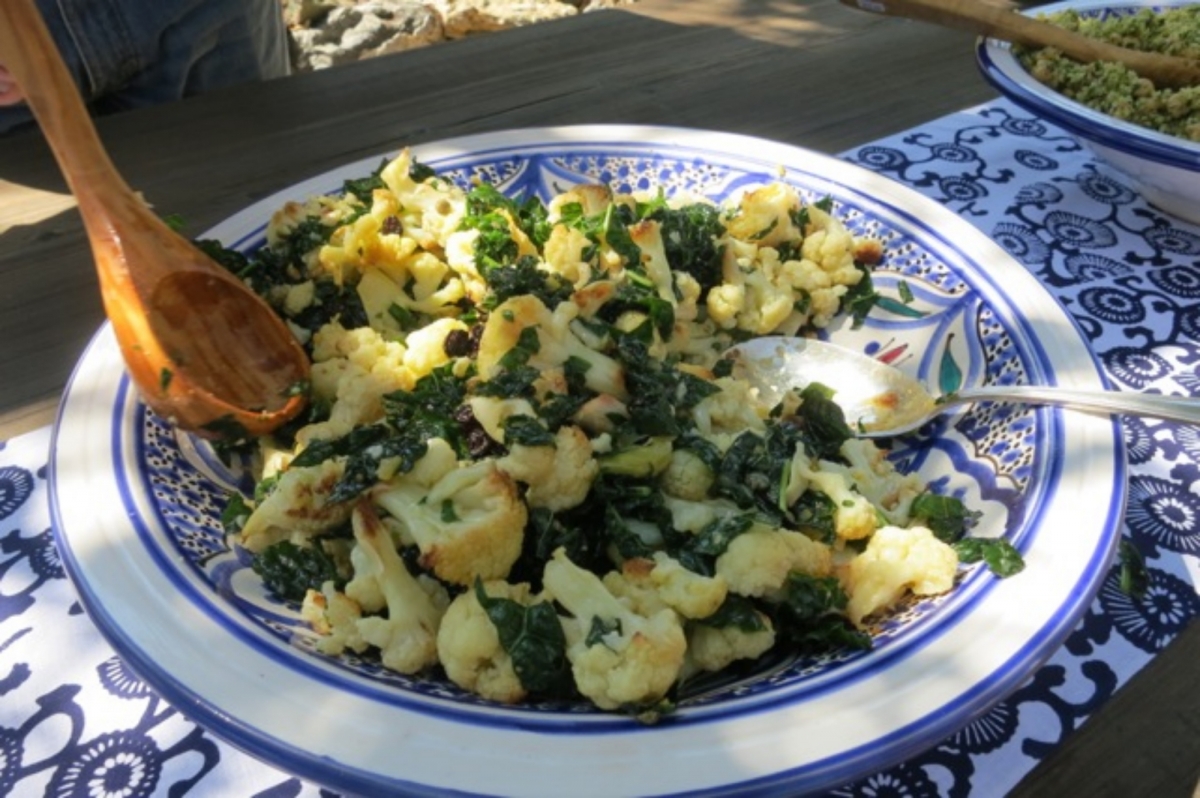
Colleen McGlynn’s Roasted Cauliflower
Main photo: Quivira Vineyards and Winery’s Jim Barauski has posted a sign outlining the tenets of biodynamic farming. Credit: Katherine Leiner
On a recent visit to Northern California, I wanted to see how art and wine mix in Sonoma County’s famed wine country. My sister, who works in public relations for the wine industry, took me to visit one of her clients, Paradise Ridge Winery. The Santa Rosa vineyard has a view of many appellations in Sonoma County. The fog, responsible for the deep flavor that imbues the Paradise Ridge Winery wines with their distinctive tastes, was just rolling in. There was a crescent moon. And as a complement to the divine Sauvignon Blanc I was drinking, the evening’s festivities included a tour of the winery’s sculpture gardens that change annually.
Marking the winery’s 20th year, the new exhibit in this natural outdoor gallery — the 20@20 Sculpture Exhibition — is inspiring, with many pieces created by Burning Man artists. (Burning Man is a weeklong annual event that began in San Francisco’s Baker Beach and migrated to the Black Rock Desert in northern Nevada.) The food we enjoyed was from Rosso Pizzeria, cooked on site in a state-of-the-art pizza oven, and made with homegrown tomatoes, herbs and Sonoma County cheeses.
More from Zester Daily:
» The dynasties of Napa
» Going upscale in Napa
» Ferrer Spanish wine dynasty sparkles in California
» 5 Sauvignon Blancs that will change lives
» New vanguard in Sauvignon Blanc, Malbecs a surprise
Sonoma theater production
The night also included the first presentation in the newly built “Field of Dreams” amphitheater, which had been created for Transcendence Theatre Company (TTC), a nonprofit theater company in Sonoma that brings Broadway stars to wine country to entertain in open-air venues. This year’s, “Oh What a Beautiful Mash-Up,” starring Stephan Stubbins and Leah Sprecher, both well known to “Broadway Under the Stars” concerts, was a funny, touching and uplifting evening and a great beginning for Walter Byck, a founder of the winery and the man behind the amphitheater, who intends to have the artists perform at the winery each summer.
Recently Transcendence was named Theater of the Year by Broadway World San Francisco for its 2013 Season. The company is made up of musical theater artists with Broadway, national and international tour, and film and television credits. TTC’s summer season includes the “Broadway Under The Stars in Jack London State Park” and the “Transcendence Artist Series” concerts, as well as the Broadway Kids Camp, “Skits Under The Stars” community nights, and community service, engagement and education programs throughout the entire Sonoma Valley.
Through an innovative arts and parks partnership, TTC is partnering with a nonprofit park operator, the Valley of the Moon Natural History Assn., to bring live theater and cultural education programming into Jack London State Historic Park in Glen Ellen, Calif.
ParadiseRidgeWinery1_Pic3
Paradise Ridge’s beginning
Paradise Ridge is a 156-acre estate owned by the Byck family, and established in 1978. The estate’s integrity was initially maintained by planting only 17 acres of vines in and around the majestic oaks and the other established trees, none of which were cut down.
With the severe drought currently affecting California, Paradise Ridge Winery and other vineyards across the state have put in place conservation measures to preserve their aquifer. Dan Barwick, Paradise Ridge’s winemaker and a member of the Byck family, says “the most important concern for the vineyard this year is maximizing water efficiency while maintaining healthy soils and vines.”
“One of the great fortunes of our paradise is that we are self-sufficient with the water for our vineyard, winery and all our hospitality efforts. Our water is completely independent and we use it mindfully, appreciating the scarcity of this natural resource,” Barwick says. “In the vineyard during drought years, we deeply soak the vines in the winter to allow the route system to deepen and spread so that when vines awaken in the spring they will be strong and vibrant. Our access to estate lake water allowed us do this in December and January, ensuring healthy vines as we moved into the 2014 vintage.”
“During the rest of the year, we water our vineyards in response to the needs of each vine, as opposed to a set regime of irrigation. We have recently overhauled our irrigation to pinpoint specific zones. We now have the ability to water only those areas as needed, as opposed to irrigating the entire block,” Barwick says. “These changes allow us to irrigate far more efficiently and save hundreds of thousands of gallons of water per year.”
Winery’s water conservation methods
Paradise Ridge Winery also had plans to cultivate a sustainable vegetable garden in 2014 to supply their winery, weddings and special events with produce, but because of the water shortage, they are delaying that venture.
The Herb Garden & Wine Sensory Experience established at the Tasting Room in Kenwood, Calif., by Annette McDonnell is a natural attraction for the winery. The idea of matching Paradise Ridge wines with various herbs is innovative. “Herbs like lemon basil, known to have citrus aromas often associated with Sauvignon Blanc, are also found in Chardonnays and Rieslings. The citrus will bring out the bright qualities in white wines while helping highlight fruit characters,” says McDonnell.
The sensory experience was created to showcase the chemistry of the wines and their relationship with herbs as well as cuisine. The garden has been divided into four areas and wine can also be broken down into similar groups:
Bitter – High acid, low to no sugar
Bright – High acid, low sugar
Savor – Moderate acid, moderate sugar
Sweet – Low acid, high sugar
The herb-and-wine experience encourages you to trust your palate when pairing wine and food.
Paradise Ridge Winery was a good way to begin my fun and educational trip through Sonoma wine country. The vineyard offered a complete wine-country experience: tasting superb Russian River Valley wines that had been paired with thin-crust pizza made with fresh herbs, taking in the magnificent view of the vineyard while strolling among world-class art in the outdoor gallery, and being entertained by Broadway stars performing under a crescent moon.
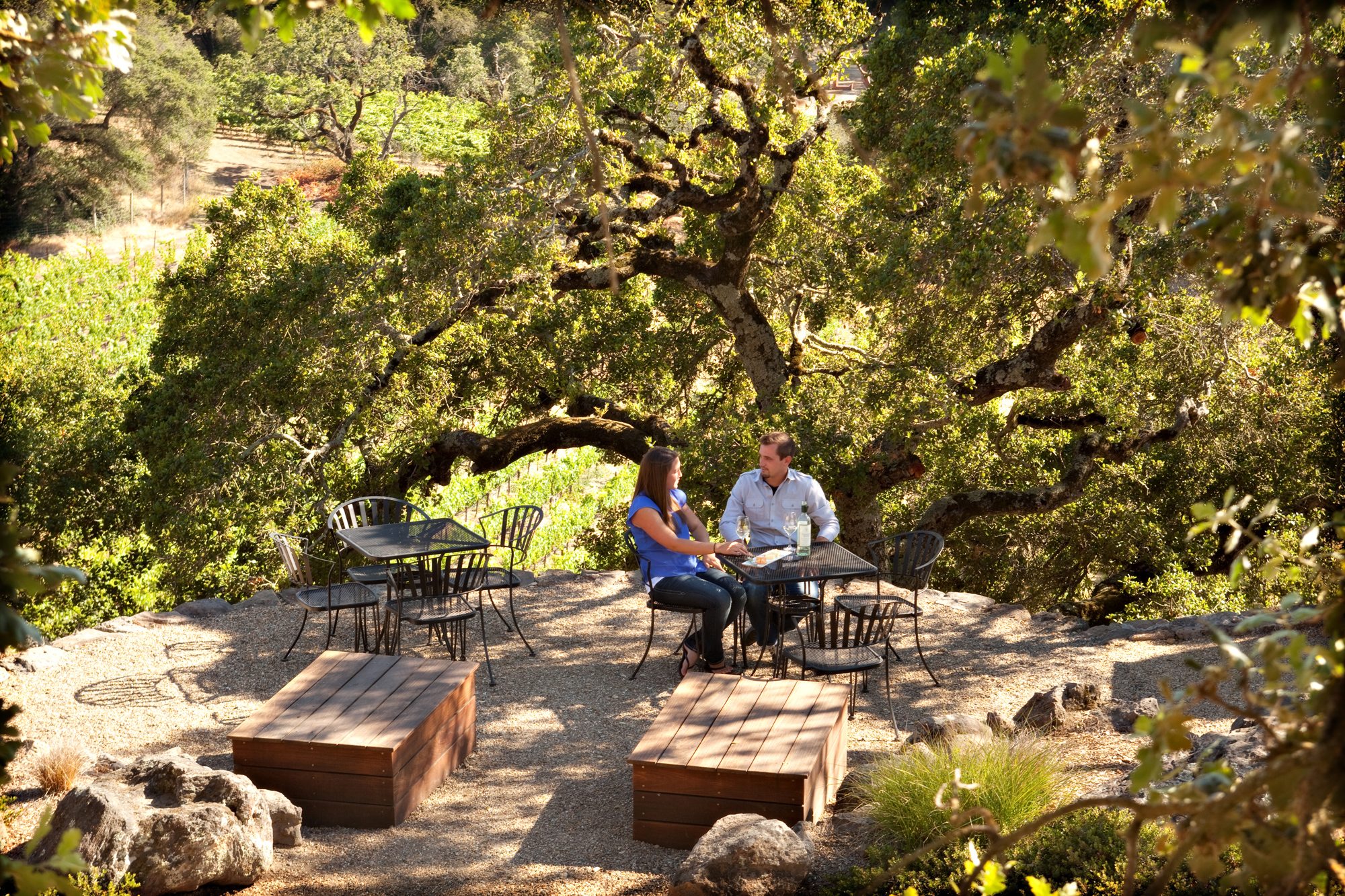
Main photo: Visitors enjoy the outdoor sculpture garden at the Paradise Ridge Winery in the Russian River Valley of Sonoma County, California. Credit: Paradise Ridge Winery