Articles by Author
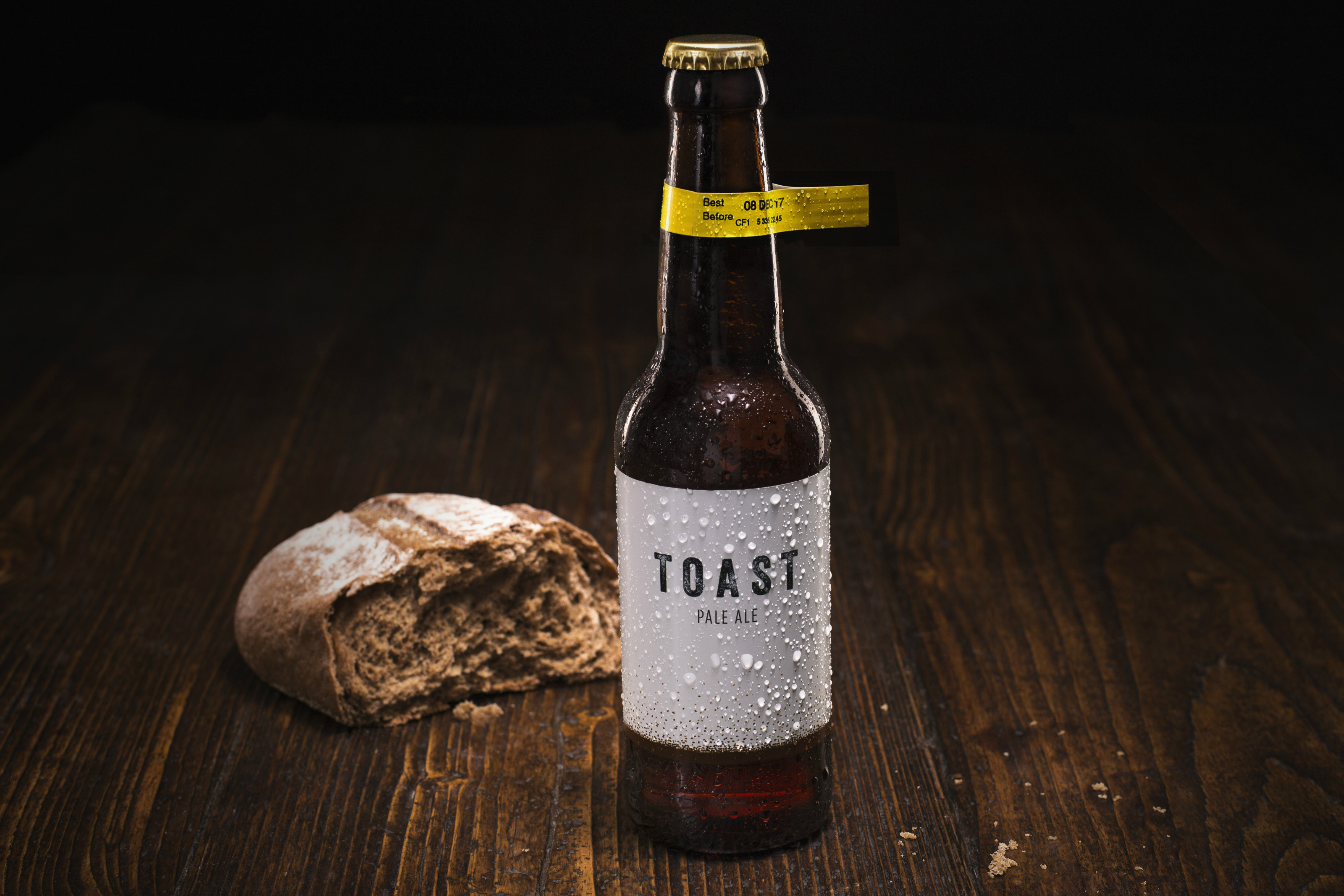
Toast Ale is a liquid message in a bottle: a beer brewed in the UK with fresh, surplus bread that would otherwise be thrown away, it highlights the problem of global food waste, starting with our daily loaf.
It tastes good, too.
Newly launched and brewed in London, Toast Ale recently won Best New Beverage Concept at the FoodBev awards, and has been lauded on British television by celebrity chef, Jamie Oliver. There has already been so much interest from people in the U.S. that Toast Ale has plans to launch in New York.
But this is a here-today, gone-tomorrow type of beer, and if the man behind this ephemeral brew has his way, production will eventually dry up — and there will be plenty to celebrate.
The founder’s strange dream
Tristram Stuart is one of the world’s leading food waste activists, but even he was once accused of wasting food — three grains of rice left at the bottom of a bowl of food he had eaten in China. Listen to that story and more in his Ted Talk, “The Global Food Waste Scandal.” Credit: Copyright 2016 Erik Nordlund
“We hope to put ourselves out of business. The day there’s no waste bread is the day Toast Ale can no longer exist,” said Tristram Stuart, Toast Ale founder, food waste activist, and author of “Waste: Uncovering the Global Food Scandal,” a book nominated for a James Beard Foundation award in 2010.
Global food waste not only involves hunger, but greenhouse gas emissions and water waste. A 2013 UN FAO report estimated “that each year, approximately one third of all food produced for human consumption in the world is lost or wasted.” Uneaten bread is one of the most shocking examples. According to Toast Ale, around 44% of bread in the UK, alone, is thrown away, including 24 million slices a year in UK homes.
Stuart discovered a passion to fight food waste when he was teenager raising pigs at his home in Sussex, selling off the pork locally to earn extra pocket money. He fed them unwanted food he collected from his local baker, greengrocer, and his school cafeteria. One morning, he noticed a particularly appetizing loaf with sundried tomatoes, which he ate for breakfast as he was feeding his pigs — proof that much of the food destined for the garbage is perfectly good to eat.
Toast Ale is brewed in London by Hackney Brewery, which uses 100% green energy that comes from windmills, and gives spent grain to local farmers to use for animal feed. Toasted bread used to brew Toast Ale adds caramel notes that balance the bitter hops, giving a malty taste similar to amber ales and wheat beers. Jon Swain from Hackney Brewery said, “The important thing for us, as brewers, was to create a beer that tasted good and stood up against other craft beers.”
Putting excess bread to good use
Making Toast Ale at Hackney Brewery, where toasted surplus bread collected from bakeries, delis and commercial sandwich makers is added during the mash stage. Credit: Copyright 2016 Tom Moggach
Toast Ale uses all kinds of unwanted bread — white and brown — collected from many sources, from artisanal bakeries to commercial sandwich makers, who typically waste bread by discarding the “heels” of the loaf. “We were pleasantly surprised that the taste of the finished beer wasn’t too different — therefore we could use all types of bread,” said Andrew Schein of Toast Ale.
Although Toast Ale gives new shelf life to surplus bread, its mission is to encourage everyone to find creative ways to stop wasting bread in the first place. (Note to commercial sandwich makers: My husband adores bread heels — I’m sure he’s not alone — so I challenge you to make a virtue of them by creating a range of “Well-Heeled” sandwiches. How about a pulled pork sandwich called “Pigs in High Heels”?)
More from Zester Daily:
» Beer goes hyperlocal with the plow-to-pint movement
» 10 must-read gifts for beer-loving dads
All proceeds from Toast Ale go to Stuart’s charity, Feedback, an umbrella organization for his three main food waste campaigns:
Feeding the 5000: Free public feasts, using food that would otherwise be wasted, held in cities all over the world.
The Gleaning Network UK: Volunteers harvest surplus farm produce that would be left to rot and redistribute it to UK charities.
The Pig Idea: Seeks to change laws that restrict food waste being used to feed pigs.
The inspiration and recipe for Toast Ale came from the bread beer, Babylone, brewed by the innovative Brussels Beer Project brewery, in Belgium. Brewing beer with bread is as old as beer making itself. According to the article, Brewing: A legacy of ancient times by David M. Kiefer, published in 2001 in the American Chemical Society’s magazine, Today’s Chemist at Work, “Frequently, the dried malt was formed into small, lightly baked loaves. When a batch of fresh beer was to be brewed, these beer breads would be crumbled, mixed with cereals, and soaked in water.”
Bread is a beloved, ancient staple that is often taken for granted. In the Biblical story of the miracle of the loaves and the fishes, the disciples collected 12 baskets of scraps after the outdoor feast. It’s not clear what they did with them. People have traditionally transformed unwanted bread into French Toast and bread pudding, or croutons and breadcrumbs.
Now home brewers can make their own bread beer — the Toast Ale recipe has just been published on its website.
Main photo: Toast Ale is made from a special Belgian recipe that includes fresh, surplus bread. All profits go to the charity called Feedback, which supports the fight against food waste, making Toast Ale the best thing since … well, you know. Credit: Copyright 2016 Publicis
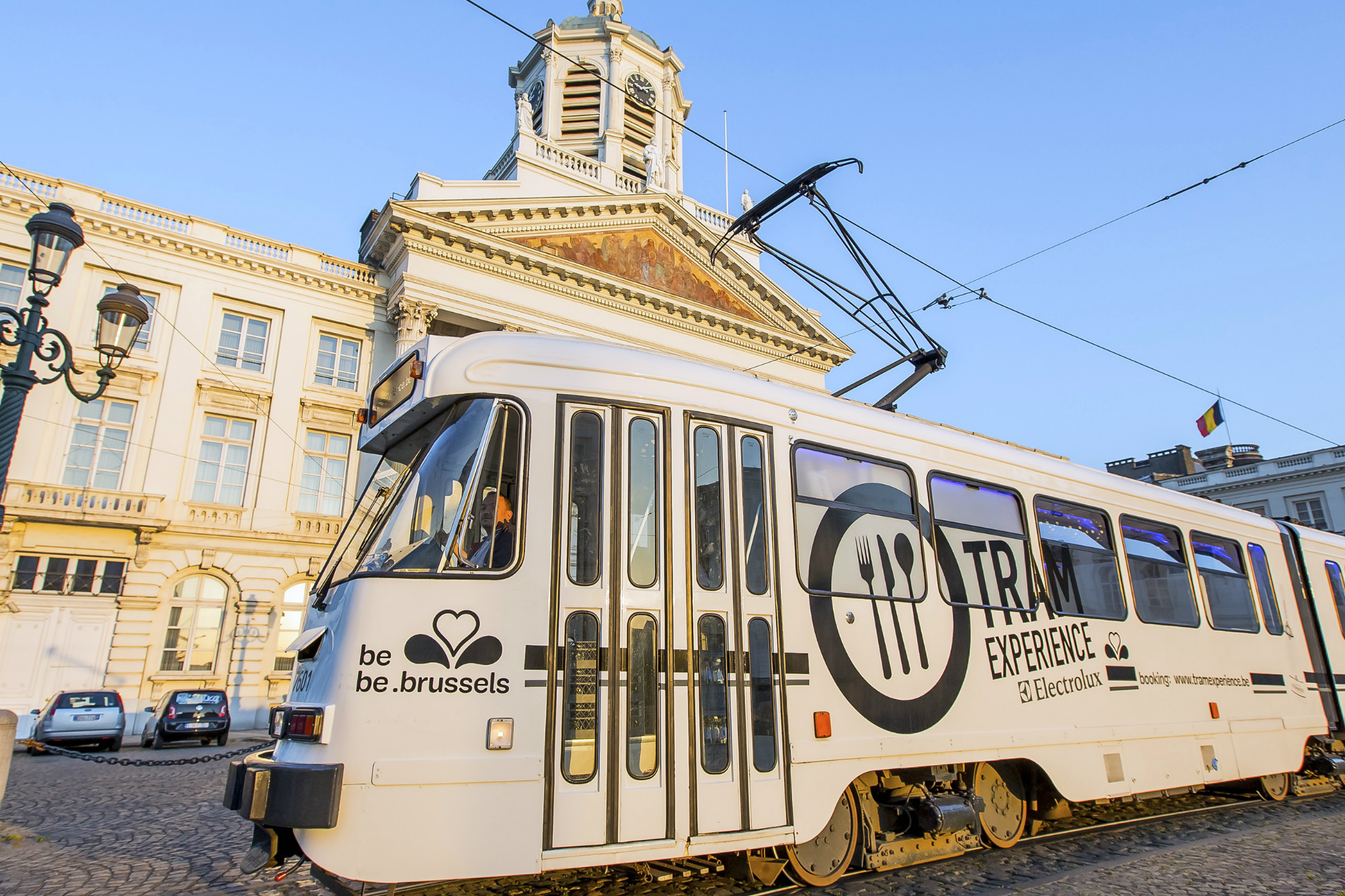
Brussels has one of the largest tram networks in the world, but there’s one tram ride in the city where it’s not the journey, nor the destination that pleases — it’s the food.
To paraphrase the Belgian surrealist artist René Magritte, “This is not a Tram.”
Indeed, this is not a restaurant, either — this is the Tram Experience, one of the hottest gourmet dining tickets in town.
A dining adventure
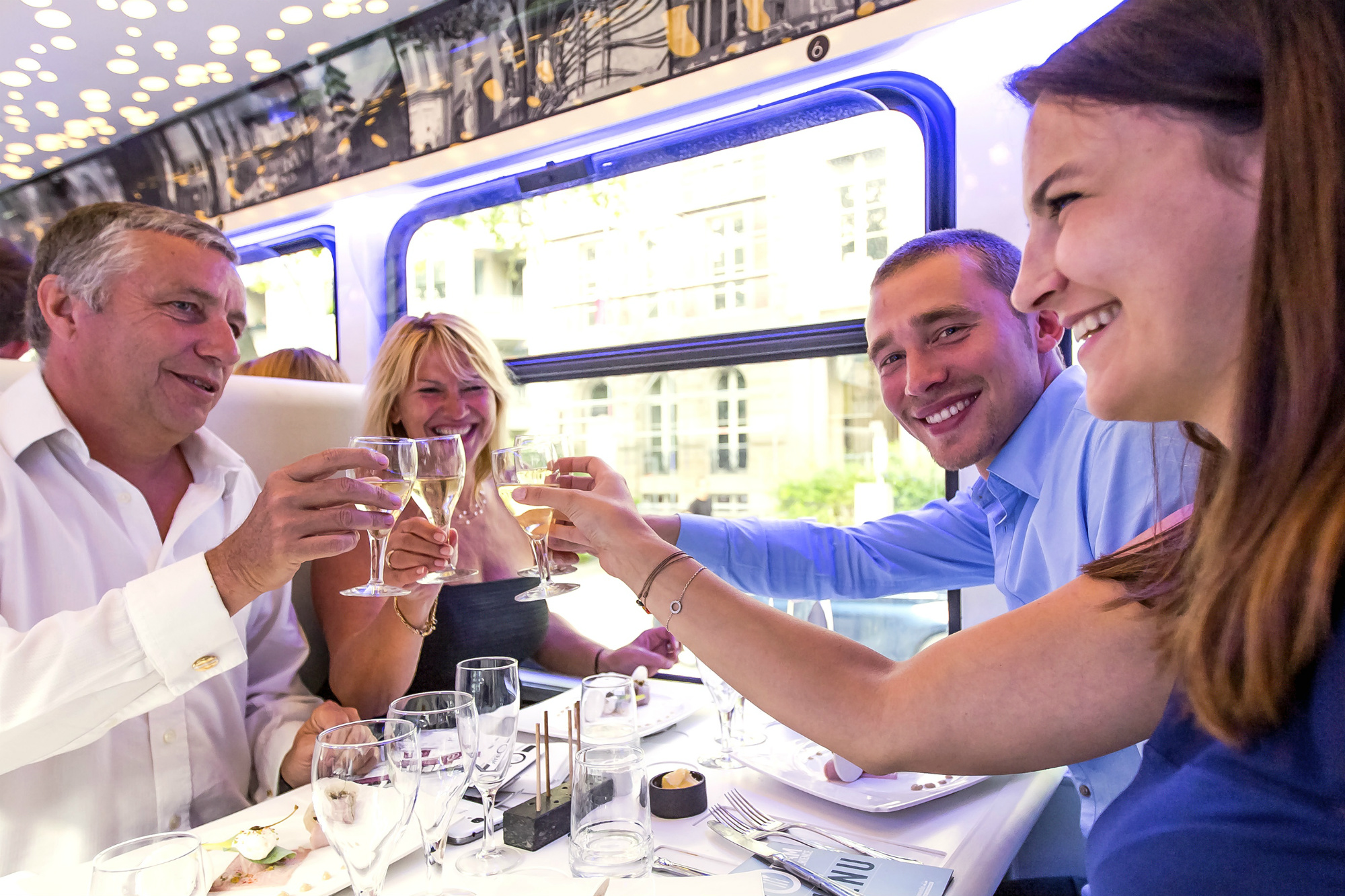
People book tickets for the Tram Experience to celebrate birthdays, anniversaries and even Christmas day. At least two marriage proposals have been made on board. Credit: Copyright 2015 Eric Danheir
“Eating out is the national sport in Belgium,” writes Bill Bryson in his book “Neither Here nor There: Travels in Europe.” This small European country, about the size of Maryland, has 127 Michelin-starred restaurants, with 24 in Brussels, compared with 20 in Berlin and 14 in Milan.
But increasingly, the residents of this cosmopolitan city are eager to try fine dining in novelty venues, especially restaurants with a view.
The Tram Experience serves up a two-hour gourmet meal, during which guests can take in the scenery as they ride through Europe’s de facto capital in a souped-up tram from the 1960s, fitted with four ovens and two induction plates. Another popular haute-view experience is Dinner in the Sky, where starred chefs, cooking facilities, guests, food and table are suspended by a giant crane high above Brussels’ Arc de Triomphe.
The concept of the Tram Experience’s quirky, moveable feast is simple: Serve up some of the world’s finest restaurant meals, created by chefs from around the globe, on board one of the city’s most humble and historic people-movers.
World-class cuisine
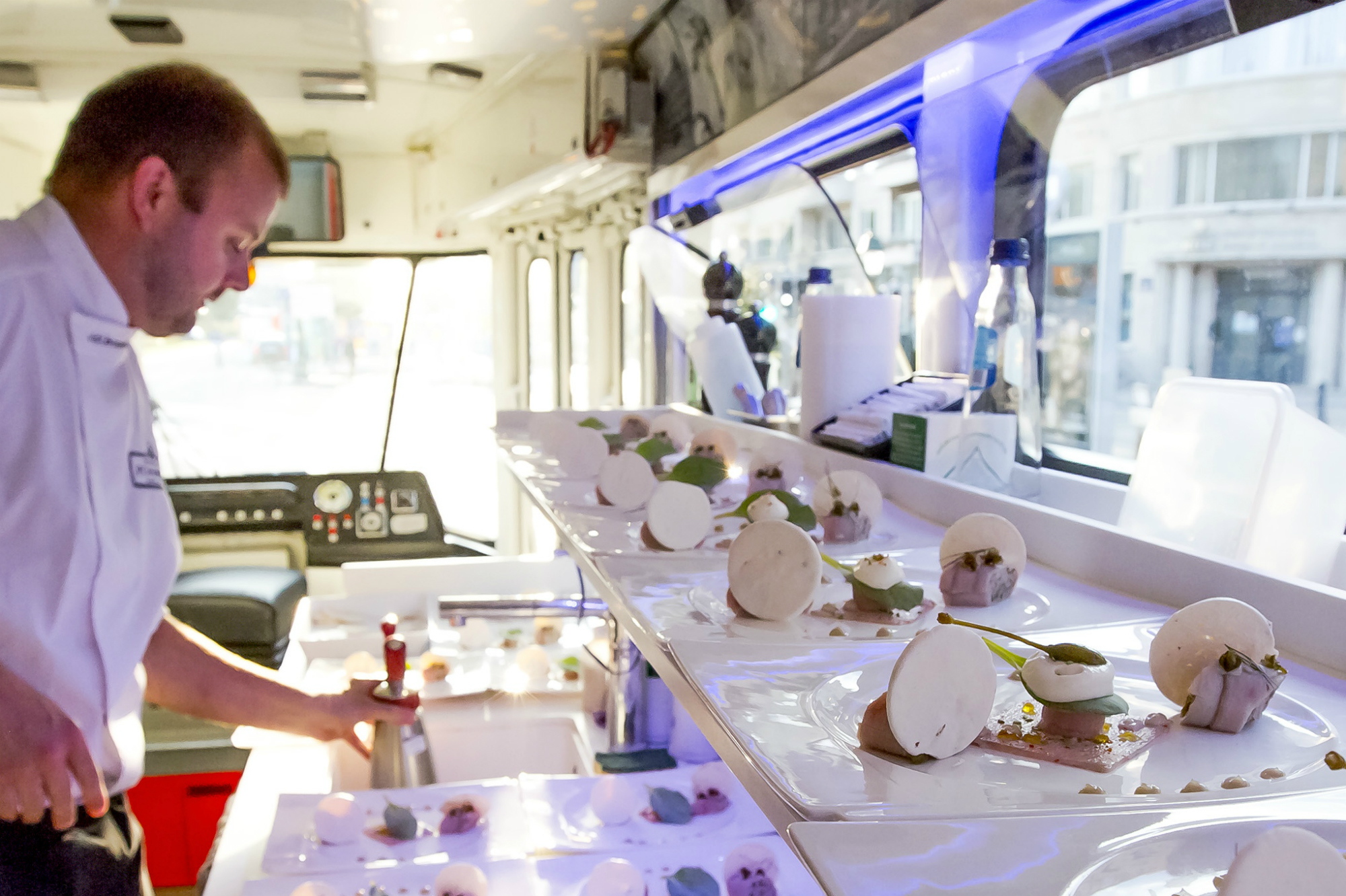
Chefs from Belgium and all over the world are tapped to develop a six-course menu (three appetizers, starter, main course, dessert) to be faithfully reproduced in the tram’s tiny kitchen area, down to the last garnish, by chef Denis Roberti and his team. Credit: Copyright 2015 Eric Danheir
This year’s theme is “Lady Chefs,” and the night I went, the Japanese and Swedish-inspired menu — including a starter of scallop sashimi and a main course of venison and lingonberry — was from Sweden’s Frida Ronge, head chef at Restaurant vRÅ in Gothenburg.
The Tram Experience is the brainchild of Olivier Marette, project manager for gastronomy at Visit Brussels, the city’s tourism agency. Online booking opened in early 2012, with no advertising, and in three days, around 6,000 tickets were sold, forcing the computer booking system to crash.
Two hours of bliss
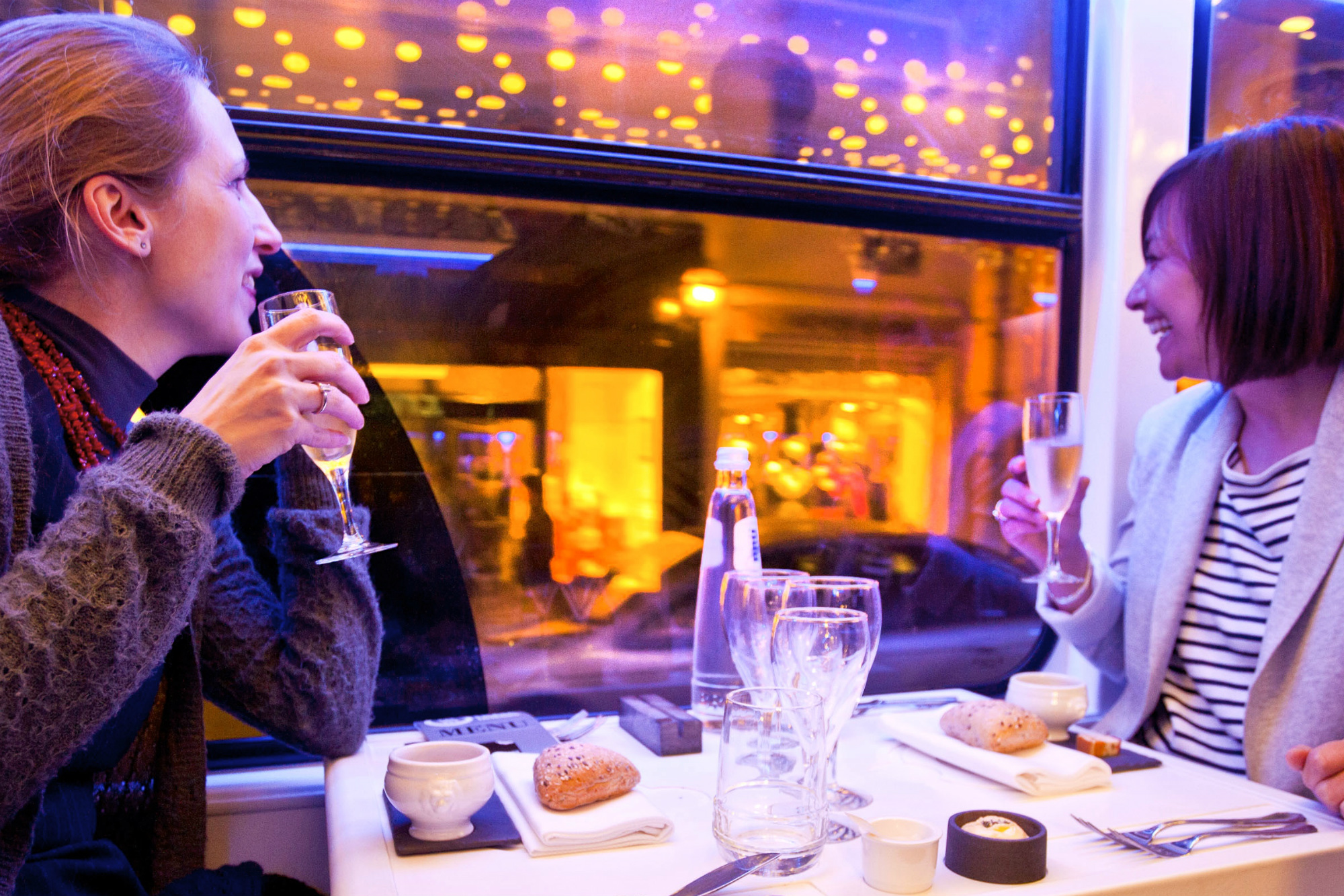
Word of mouth has been key to the success of the Tram Experience. The black-and-white tram is instantly recognizable to passers-by on the streets, who often wave as it rattles and rolls though some of Brussels’ iconic neighborhoods. Credit: Copyright 2015 Eric Danheir
Customer satisfaction is extremely high, with 97% of customers who gave online feedback saying they would recommend the experience to others. One woman wrote, “My husband is a tram driver in Antwerp, and it was to celebrate his birthday. He enjoyed the experience very much and was very happy to chat with the tram driver…!”
As for minor complaints, some people thought the two-hour journey was too short, so eventually the Friday itinerary was changed to a seven-course meal lasting nearly three hours.
But no matter what the night or the occasion, “the star of the journey is always the food,” said Mr. Marette.
The comfort of good food
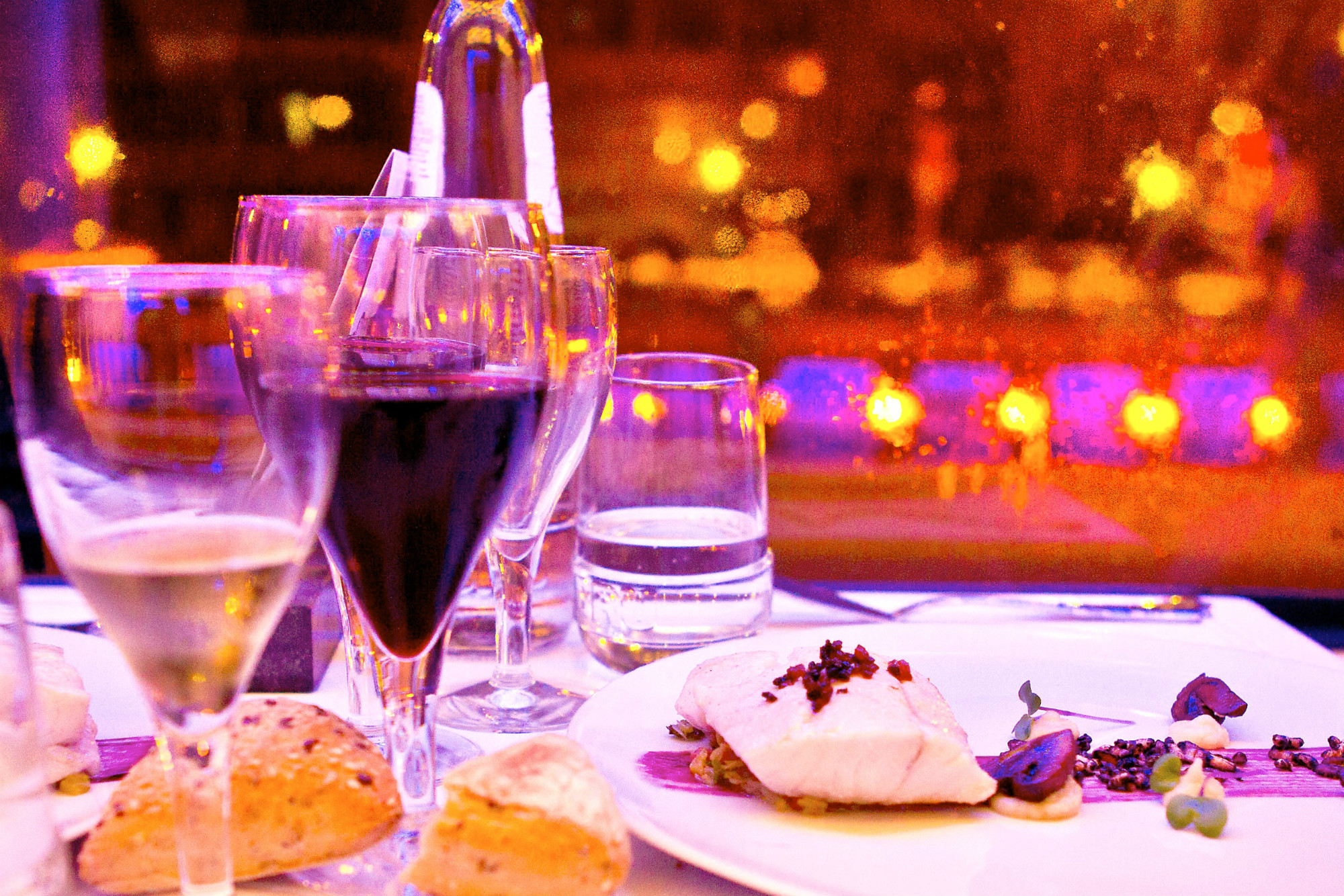
During Brussels’ recent lockdown, the Tram Experience was canceled Friday-Sunday, but currently, the entire city — including this charming “meals on wheels” Brussels attraction — is almost back to normal. Credit: Copyright 2015 Eric Danheir
My husband and I, and our good friends Chris and Karen, booked tickets weeks in advance and were looking forward to this playful, almost childlike culinary adventure. On the night, however, our mood was dampened by global, and very real, adult fears: Terrorists had attacked Paris the night before, at venues that included restaurants and bars.
Parisians eventually found some solace by flocking to buy copies of “A Movable Feast,” Earnest Hemingway’s affectionate portrait of the city, including its bars and cafes.
More from Zester Daily:
» These pop-up eateries are worth a global trip
» 19 top European restaurants worth a trip
“We ate well and cheaply and drank well and cheaply and slept well and warm together and loved each other,” he wrote in the book, published posthumously in 1964.
The following weekend, Brussels itself was in lockdown, and the Parisians’ rather eccentric cousins, just north of Paris, were tweeting cat photos — one cat was drinking Belgian beer, another was dressed up as a burrito, for example — in support of an official police force request not to share police movements in Brussels on social media.
The police responded to the levity by tweeting a photo of a bowl of cat food: “For the cats who helped us last night … help yourself!”
Main photo: “Tours,” as the Tram Experience calls them, run Tuesday through Sunday and cost about $107 (98.50 euros) for a six-course menu, and $130 (119 euros) for a seven-course menu, only on Fridays. Credit: Copyright 2015 Eric Danheir
With Europe on edge after the bombings in Paris, it is good to be reminded of the joy of sharing a meal with strangers. But what happens when you don’t know anyone at a dinner party, not even the host?
More from Zester Daily:
» Abundant anchovies lend themselves to Spanish tapas
» Pongal: Indian comfort food for a cold day
» Refugees speak in the universal language of food in Turkey
During a recent evening in Brussels, I rang the doorbell of a complete stranger’s home promptly at 7 p.m. His ground-floor apartment was in an art nouveau-style row house built in the 1930s. The door opened, and Maher, an Egyptian political science Ph.D. candidate at Ghent University, gave me a warm welcome. (He, like other hosts of such dinners, chooses not to publicize his full name.)
I was the first to arrive for his “Egyptian Evening” (dinner and a movie), and as I took off my coat in the entryway, I resisted the temptation to blurt out that famous quote from “A Streetcar Named Desire”:
“I’ve always depended on the kindness (and in this case, the cooking skills) of strangers.”
BookaLokal — a new dining experience
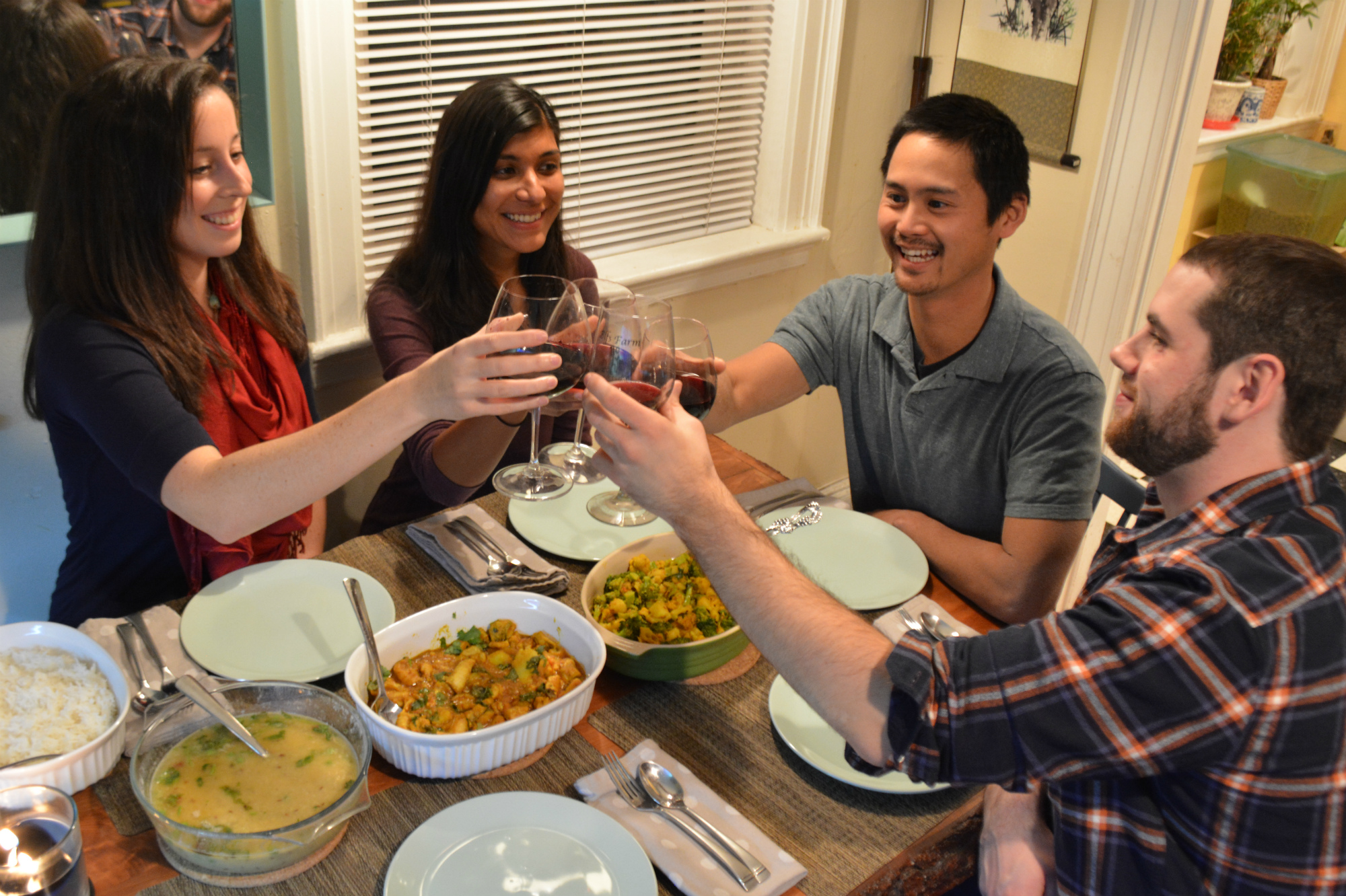
This “Sumptuous Spice: An Indian Home-Cooked Dinner” in Boston cost $35 per person. The hostess, Raka-Larissa, Indian-born and raised in London, now lives in Boston and is a biological scientist by day and a passionate home cook by night. One recent out-of-town guest wrote a long review of her “Sumptuous Spice” dinner on Raka-Larissa’s BookaLokal page, noting, “It was apparent that the food was cooked with love.” Credit: Copyright 2015 Angel Leung
Maher is just one of nearly 1,000 BookaLokal hosts in 47 countries, in more than 100 cities around the world. BookaLokal is a group dining website. To sign up for a dinner, go to bookalokal.com, choose which city you wish to dine in, browse the dinners, choose one and pay online.
The site was founded in 2012 in the Brussels kitchen of Evelyne White, a 32-year-old harpist, travel enthusiast and former investor from New York. I got to ask her a few questions before the dinner. Here’s what she told me about this unique dining experience.
How did you come up with the idea for BookaLokal?
Evelyne White: “I was inspired by the success of ‘sharing’ companies like Airbnb. If people can open their homes to strangers, why not open their kitchens and dining room tables?”
How does BookaLokal differ from other group dining sites?
Evelyne White: “BookaLokal has the widest range of hosts, from amateur hosts to professional chefs. Whereas some of our competitor sites only allow top chefs to join the site, we believe the best experiences can sometimes come from people like you and me, who are just passionate about hosting and meeting new people.”
Engaging hosts
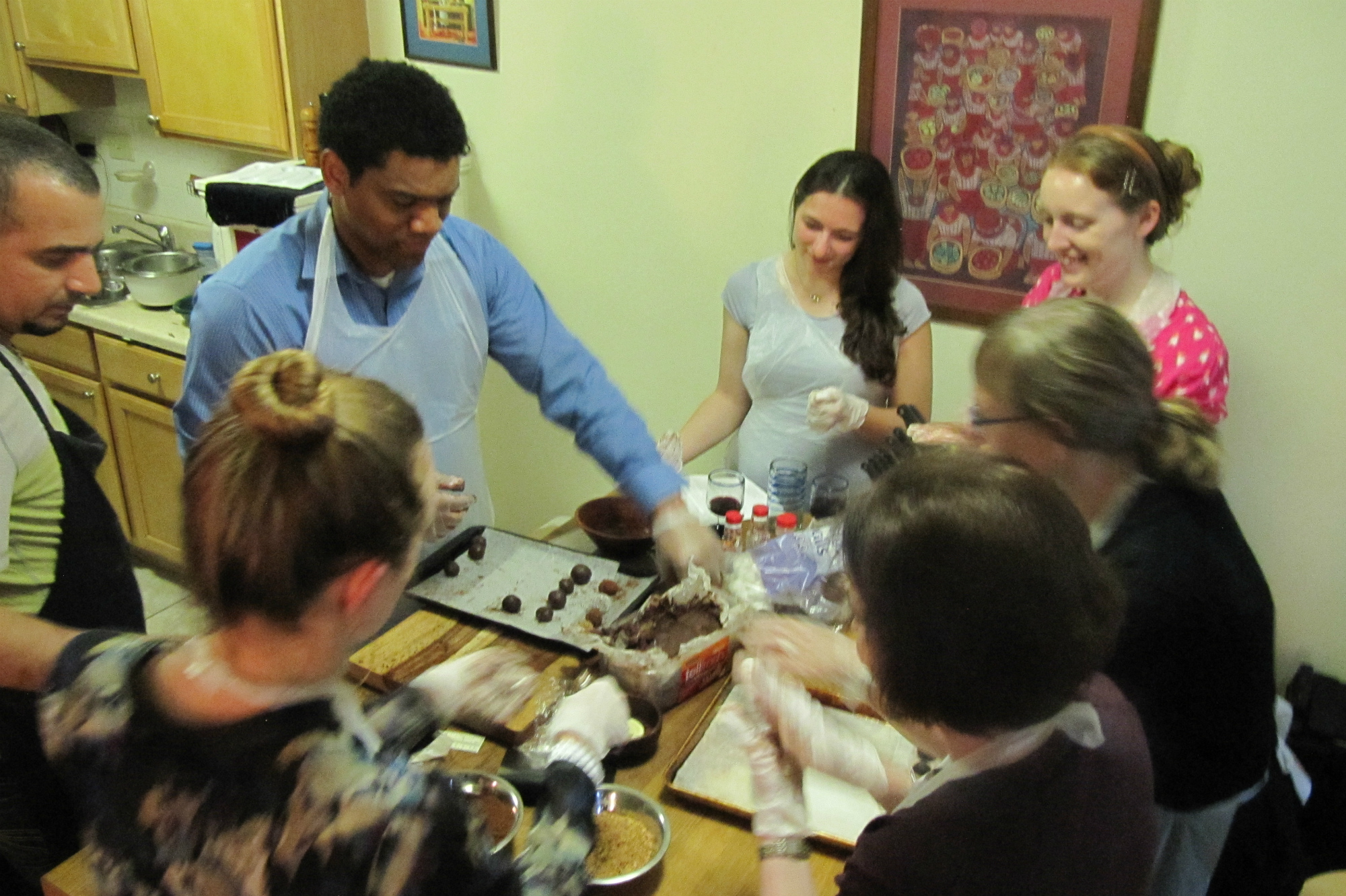
This “Chocolate Making Class” held in Washington, D.C., cost $60 per person. Guests learn about the history of chocolate and how to make their own truffles and chocolate lollipops from Ismael, a professional chocolatier and culinary and pastry chef who speaks Arabic, French and Spanish. One reviewer, who attended on Valentine’s Day, called it a “great date night.” Credit: Copyright 2015 Meira Neggaz
This was certainly true of Maher, who is also the former editor-in-chief of The Daily News Egypt. He was an engaging host who gently steered us through the evening as if we were all old chums. We were a cozy group of eight in all (if you include one guest’s toddler), who hailed from countries such as Egypt, Portugal, Turkey and America.
Meals made with love
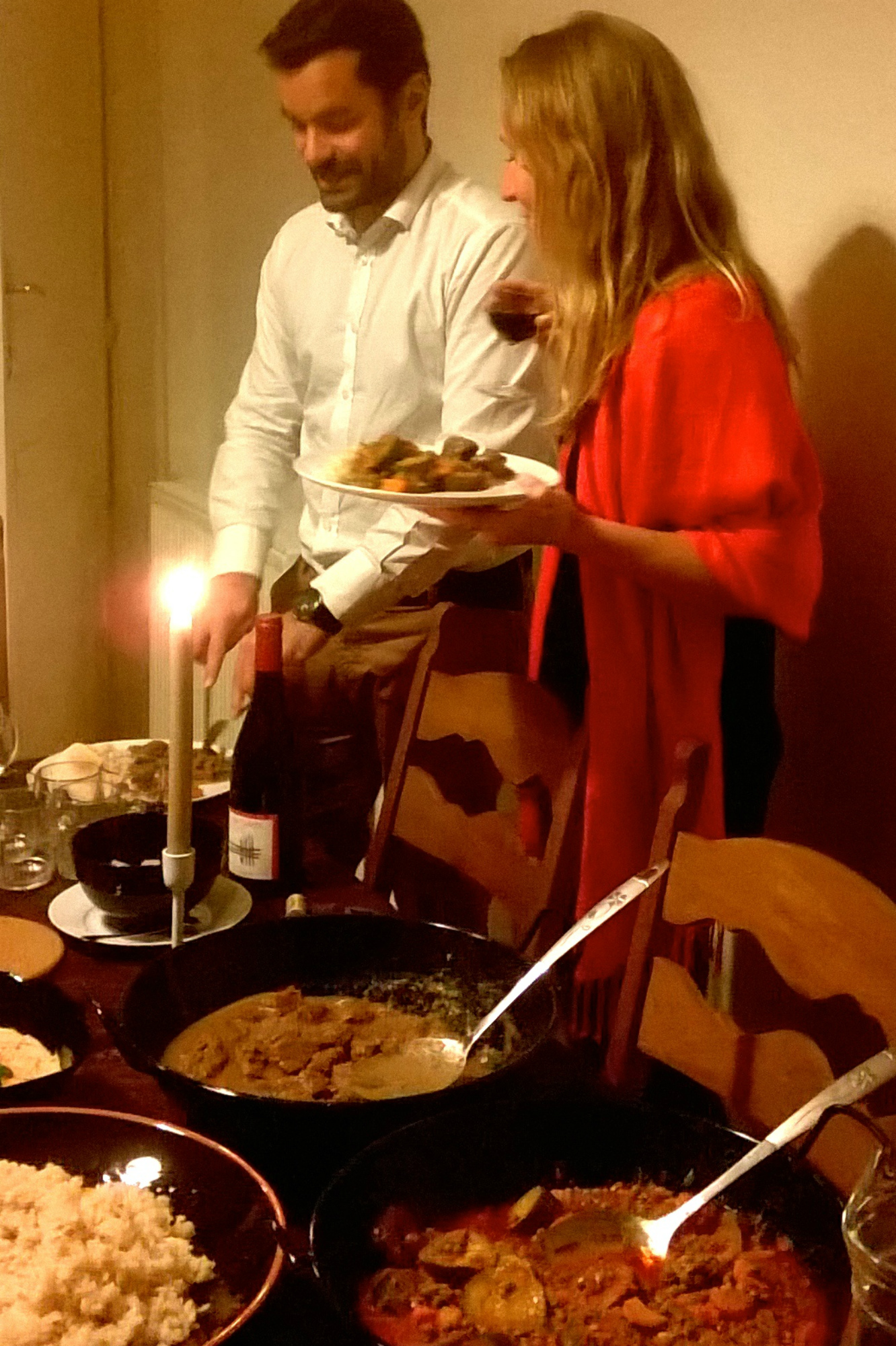
At the “Egyptian Evening” dinner in Brussels (which cost a mere $17 per person), guests served themselves at the buffet. Credit: Copyright 2015 Diane Fresquez
The homemade dinner, served buffet-style, was simple and delicious: baba ganoush and pita bread; vegetables (peas, zucchini and carrots) cooked in tomato sauce and flavored with pepper, cinnamon and lemon juice; and kebab halla (beef cooked in creamy onion sauce) served with rice.
Learning experiences
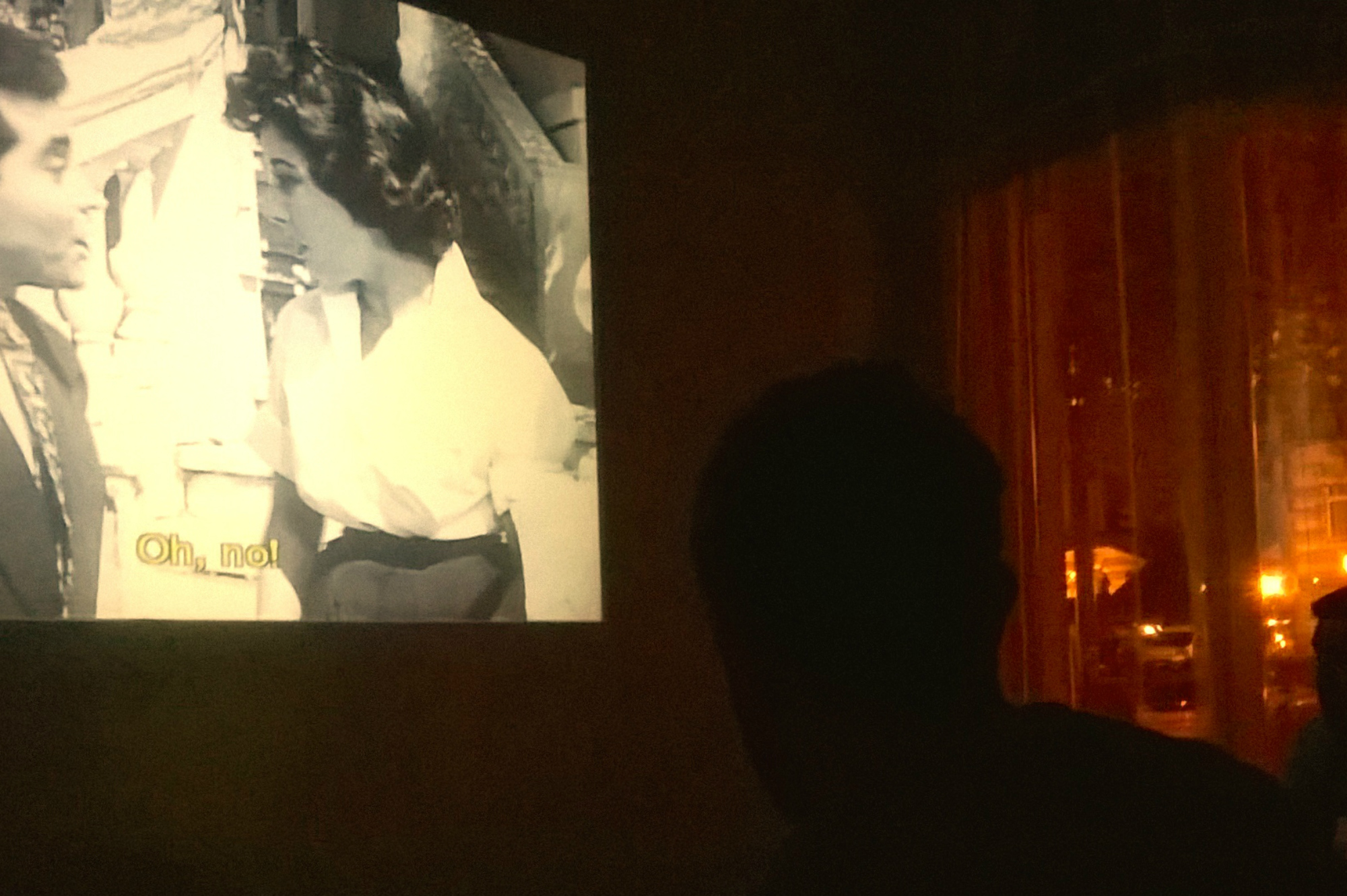
For the “Egyptian Evening” dinner, guests and host ate while watching “Ana Hurra” (“I Am Free”), an Egyptian feminist film from 1959. Credit: Copyright 2015 Diane Fresquez
After serving ourselves, we settled down in the darkened living room to eat our dinner in front of “Ana Hurra” (“I Am Free”), an entertaining, thought-provoking Egyptian feminist film from 1959, which Maher projected on his living room wall.
Maher isn’t the only host with creative dining ideas: From a recent look at what’s offered on the BookaLokal website, choices include “Dinner Served on a Vintage Boat, Docked in the Amalfi Harbor,” Amalfi, Italy ($55); “Pig Roast and Comfort Food,” Washington, D.C. ($50); and “Dinner Inspired by Famous Food Quotes,” given by a former opera singer in New York City ($100).
A variety of venues
In addition to dinner, some hosts provide a variety of other eating and drinking experiences, such as “Seville Tapas and Wine Tour,” Spain ($50), and “Indian Buffet and Bollywood Dance Lesson,” Belgium ($42).
Worried about language barriers? Languages spoken by each host are listed on their profile page. Maher speaks English and Arabic; Ester, who lives in Rome, speaks Italian, English and Spanish.
“Our hosts come in all shapes and sizes,” said White. “We have culinary students, experienced host families, supper club organizers, and people with a passion for sharing their culture and connecting with new people.”
What are BookaLokal’s plans for the future?
Evelyne White: “Although BookaLokal started as a social dining site (a place to meet new people), we are seeing increased interest in private dining. If a host serves amazing Portuguese food for groups of six to 10 guests, why not book the host for a dinner with your own group of 10 friends?”
After the Egyptian film, we helped ourselves to more wine and Egyptian black tea (with cloves), and had a relaxed discussion about the film, women’s rights and Egyptian politics. Talking with people you don’t know within the confines of dinner at a stranger’s house is oddly liberating — perhaps similar to the surprise and delight of striking up pleasant conversations with strangers on an airplane. BookaLokal is a great dining choice for tourists visiting a new country, expats living abroad, and anyone interested in being inspired — and maybe even transported to another culture — by good food and stimulating conversation. As the Egyptian evening came to an end, I was reminded of another quote, this one from Jean Anthelme Brillat-Savairn’s book “The Physiology of Taste” (1825):
“Let the progress of the meal be slow, for dinner is the last business of the day; and let the guests conduct themselves like travelers due to reach their destination together.”
Main photo: The “Dinner at the Artist’s Home and Studio” in Amsterdam ($37 per person) featured ciabatta with salmon, crème fraîche, horseradish and dill; lasagna with pancetta and artichoke; and affogato al caffè. The hostess’s apartment is on the ground floor facing the IJ harbor, and when the weather is nice, she serves dinner outside on the quay. Credit: Copyright 2015 www.petrahart.com

Part of what makes eating together so pleasurable, in any language or culture, is the conversation. But when London-based photographer Chris Terry was in Niger photographing an ordinary family enjoying a spaghetti dinner, he was surprised that no one spoke.
“It’s a great privilege to have food to eat,” explained the grandmother, the head of the household. “It’s not the moment to chat and say silly things.”
The spaghetti had been paid for with vouchers from the United Nations World Food Program (WFP). Under the program, Terry had been invited into the family’s home to document what has become the photo exhibit, “The Family Meal: What Brings Us Together.”
More from Zester Daily:
» Please pass the happiness
» Eliminating hunger, one loaf at a time
» FoodCorps fights hunger, helps kids with healthy choices
» Seeds, hunger and planting ideas
Terry photographed families receiving WFP assistance as they made and ate meals in five countries — Chad, Niger, Myanmar, Jordan and Ecuador — where hunger has become entrenched because of disasters and conflicts largely forgotten by the rest of the world. Chad and Niger have suffered the worst drought in 50 years; Myanmar families have been uprooted because of ethnic conflict; and Syrian and Colombian refugees have fled into Jordan and Ecuador, respectively, to escape violence in their own countries.
The exhibit opened in November at Gare du Midi in Brussels, Belgium, and has since appeared at airports in Madrid and Lisbon and at the Symposium on the History of Food at the University of Amsterdam. Now at Dublin’s airport and online, it also highlights five family recipes, including Pollo Sudado (Sweaty Chicken) from Ecuador. Future shows are scheduled for the Milan Expo 2015 in May-November; the Sustainable Food Summit in Amsterdam June 4-5; and Strokestown’s Irish National Famine Museum in June-August. You also can check the exhibit schedule.
Evin Joyce of WFP’s Brussels office came up with the Family Meal idea 18 months ago to promote the group’s message with positive, personal images from around the globe. Eating together is a ritual we all have in common, he explained. Gathering, preparing, cooking and sharing food, as a family, are activities humans have done for millennia.
Transporting food by plane, train, truck, barge and yak
Every year food from the WFP travels through often rough, hostile terrains to reach more than 90 million beneficiaries in 75 countries, via plane, train, truck, river barge, camel and yak. The idea of the family meal is especially poignant this past year. For the first time, the WFP faced five high-level crises simultaneously: South Sudan, Central African Republic, the Syria and Iraq conflicts, and West Africa’s Ebola outbreak.
During the exhibit’s appearance at the European Parliament in late February, WFP Executive Director Ertharin Cousin said that the Family Meal photos “give a face to those we serve.”
The photos also give us a peek into the lives and meal traditions of families struggling in ways many of us cannot image. But to my surprise, many of the images made me feel, not pity, but delight — even a bit of envy, because we who do not suffer from hunger sometimes claim we are “too busy” for family meals.
The photos capture the intimacy and joy of eating together, no matter how desperate the circumstances. Food not only nourishes us; sharing it lifts our spirits. The homemade dishes shown are colorful and inviting, made with staples such as rice and sorghum flour, and enlivened with the flavors, textures and colors of achiote powder, yucca and pomegranate seeds. The food was often prepared over open fires, in family or communal kitchens. Families ate together, indoors and out, seated on cushions on the floor, on the ground or at tables crowded with relatives.
The winners of a recent Family Meal photo competition, judged by celebrity chef Jamie Oliver and photographer Terry, were also announced during the launch at the Parliament. In one photo, a family in the Philippines shares a meal by candlelight because of power outages that still occur after a devastating typhoon in 2012. As Terry commented, the image “draws the viewer in, emphasizing the human need to gather around light, and company, when sharing a meal.”
Guests at the Parliament launch were offered samples of the five featured recipes. We commented on all the spicy and varied flavors as we guessed at the ingredients. I was particularly delighted with the texture of the yucca root in the “Sweaty Chicken” dish. The yucca flower is the official “state flower” of my home state of New Mexico, but I had never tasted yucca root before.
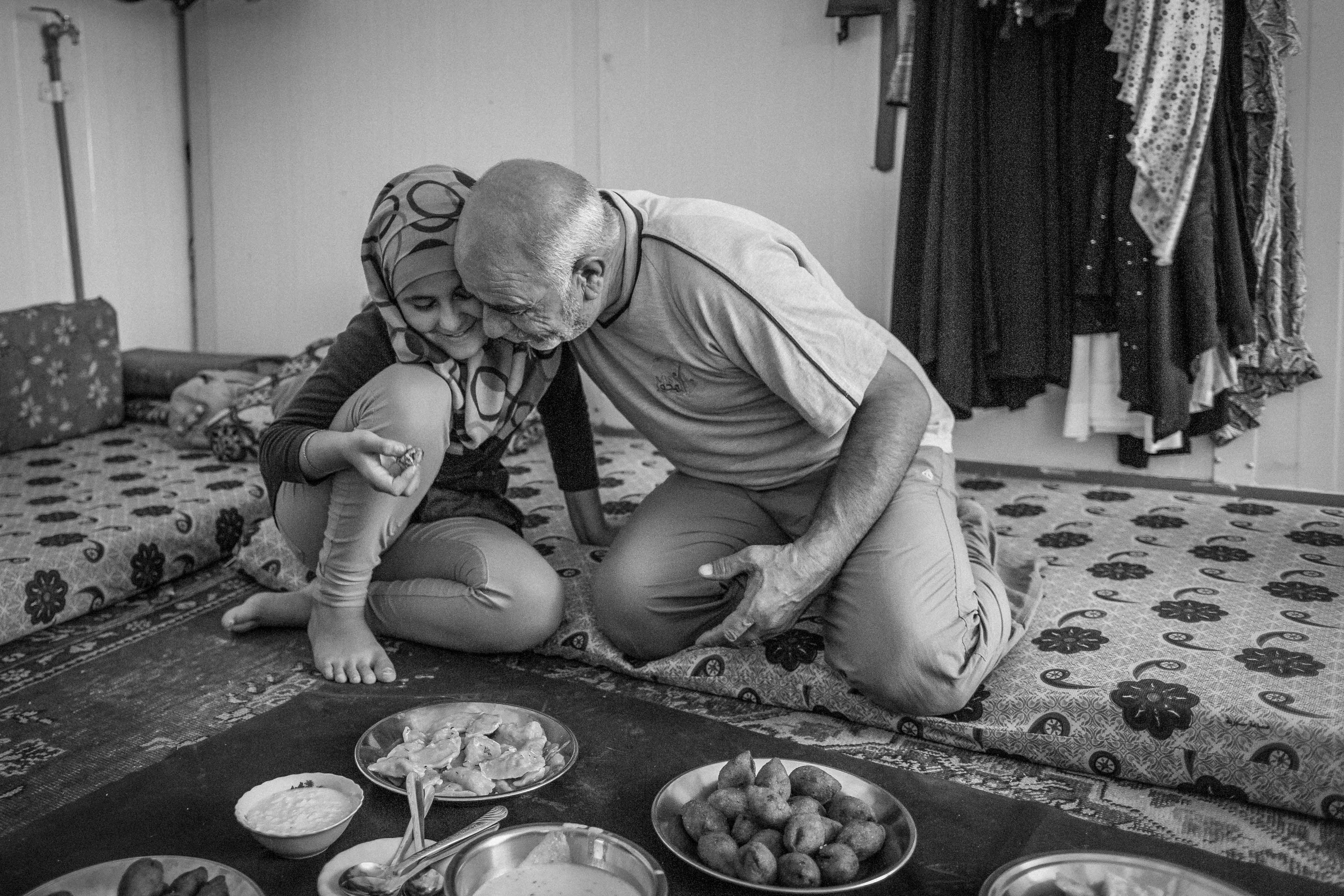
Abu Sayid and his family hope that peace returns, so they can leave Jordan’s Zaatari refugee camp and go home to Syria. Credit: Chris Terry
For Syrian refugee Abu Sayid, who lives with his family in Jordan’s Zaatari refugee camp, preparing and eating traditional recipes with his family keeps alive his memories of home. During Terry’s photo shoot, he helped his wife prepare two staple Syrian dishes: kubbeh (bulgur wheat balls stuffed with mincemeat and onions) and shishbarak dumplings (thin dough with mincemeat filling cooked in a yogurt stew).
“WFP vouchers allow us to get any food we need from stores around here [the refugee camp],” Abu Sayid said in a WFP interview as he sealed a kubbeh ball and his wife started frying the first batch of dumplings. “In Syria, we like to laugh and joke during a meal. It makes the food more enjoyable.”
In Myanmar, the WFP’s Joyce asked one family why they eat together? “It gives us a sense of unity,” one of them replied. Food is our priority, another woman told him. “As long as we housewives have a bag of rice, the rest can sort itself out.”
Joyce also noticed that women put a lot of effort into preparing and flavoring meals, no matter how basic the ingredients. And like mothers everywhere, they sometimes had to remind their children, “Eat your vegetables.”
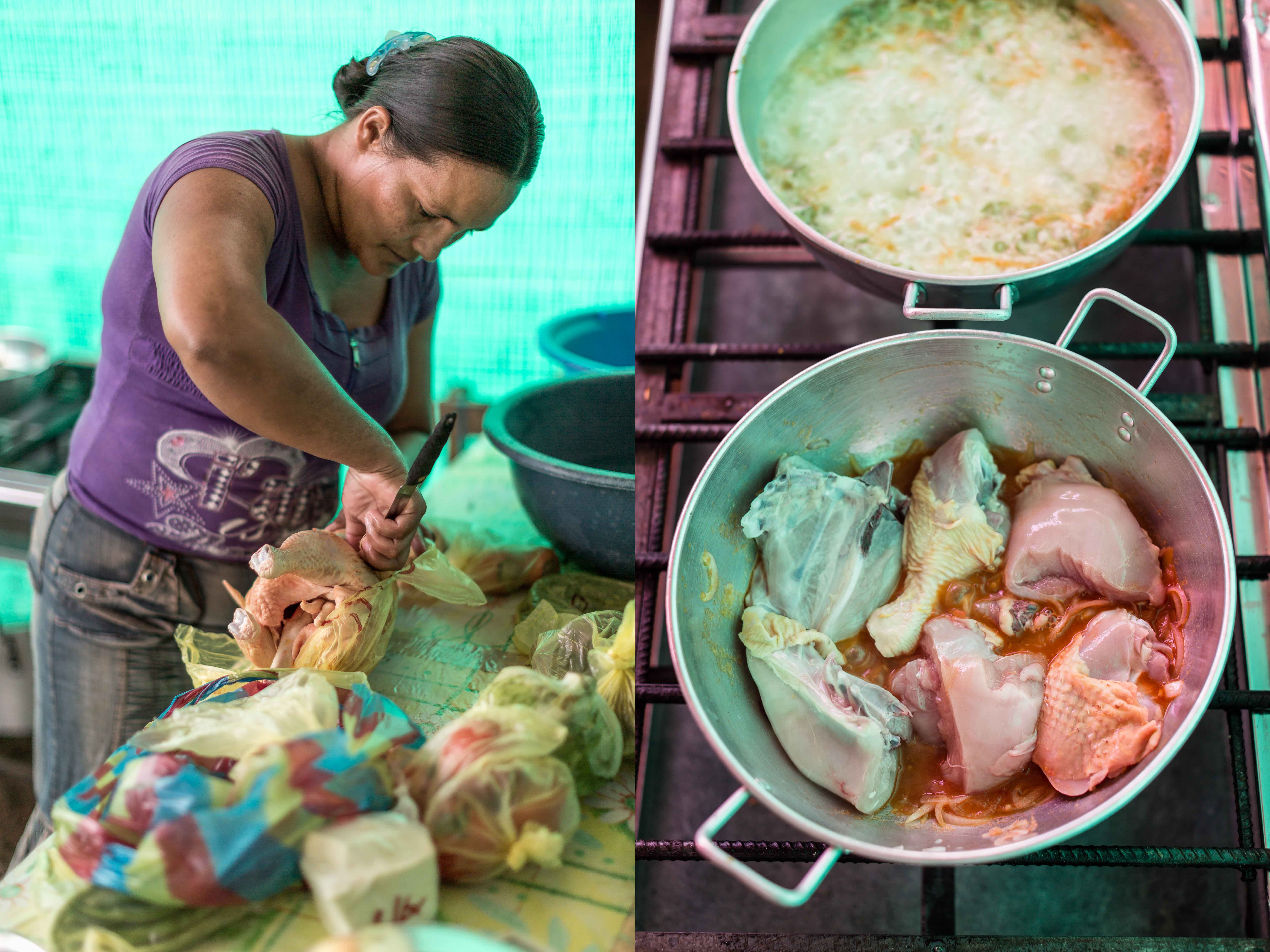
Preparing “Sweaty Chicken” in Ecuador. Credit: Chris Terry
Pollo Sudado (Sweaty Chicken) from Ecuador
Prep time: 15 minutes
Cook time: 25 to 30 minutes
Total time: 40 to 45 minutes
Yield: About 8
Ingredients
1 whole chicken
2 onions
3 cloves of garlic
Oil
1 big tomato
Coriander, salt and pepper
1 tablespoon of achiote powder (annatto)
Directions
1. Rinse the whole chicken and chop it into pieces, taking off the legs, breast and wings.
2. Chop the onions and garlic and fry them with oil over a high flame in a large pan.
3. Add the tomato and let it simmer a bit.
4. Add the chicken and then lower the flame.
5. Add the coriander, salt, pepper and achiote powder.
6. Add a little water, cover the pot and leave it to simmer for 20 minutes.
Notes
Pollo Sudado should be served with rice and yucca, which should be peeled, chopped and boiled with salt for 20 minutes. ¡Buen Provecho!
Main photo: Together with his father, siblings and cousins, this refugee in Ecuador gets a taste of his Colombian home thanks to his aunt’s cooking. Credit: Chris Terry
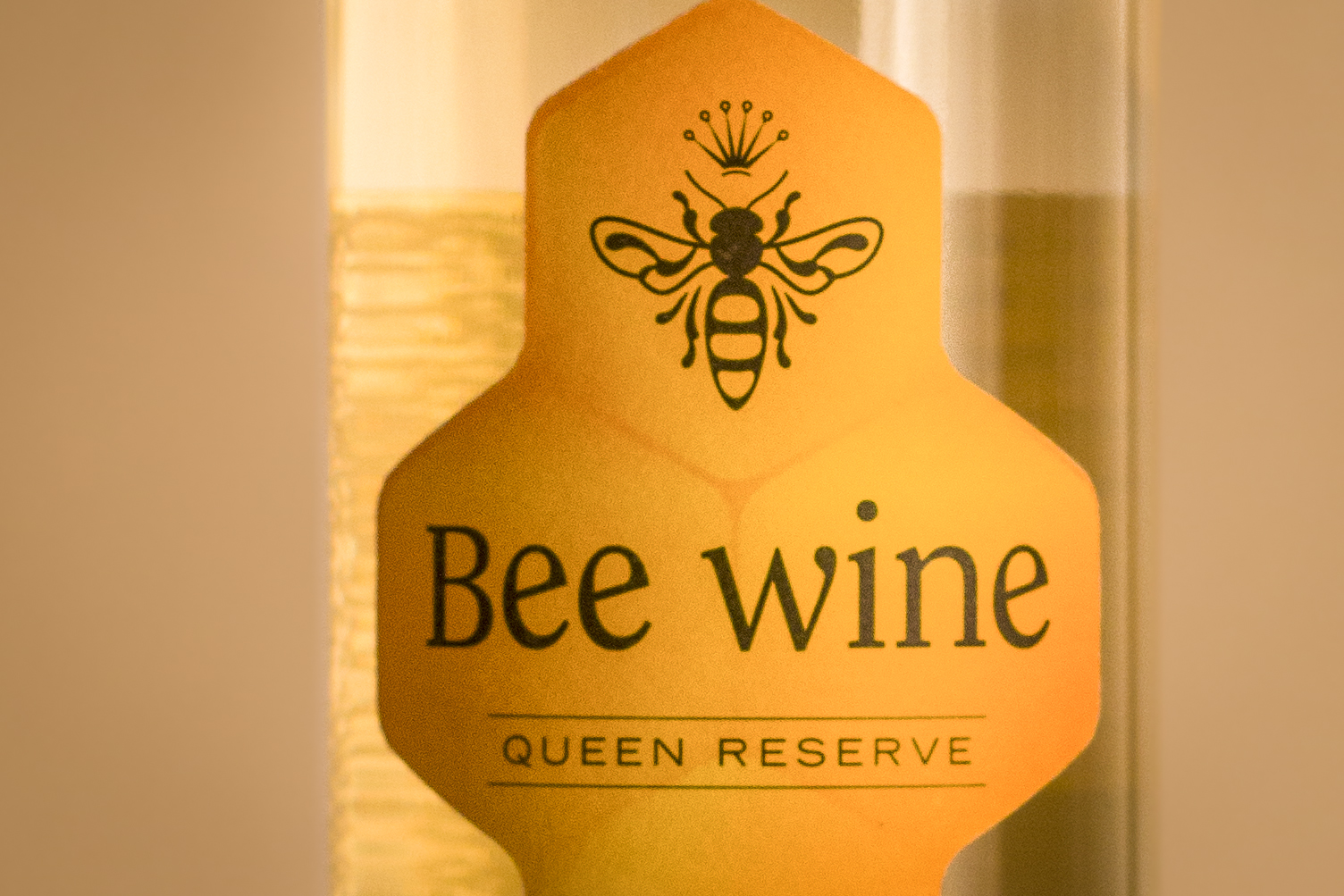
In Belgium, beer is the beverage of choice, while mead, an ancient alcoholic drink, is virtually unknown. But a young Belgian beekeeper, Xavier Rennotte, has given mead a makeover with the recent launch of his own brand, Bee Wine.
With roots in historic recipes and “Beowulf,” the real magic behind Bee Wine’s freshly minted flavor comes from Rennotte’s collaboration with a Belgian scientist. Mead is nothing more than honey, water and yeast, although spices and fruit are sometimes added for flavor. It’s not wine, although it tastes like it.
When I first encountered Rennotte some years ago, he had just met Sonia Collin, an expert in brewing and honey at Louvain University. I asked him then why he had turned to science for help. He explained it was his godfather who had made the suggestion: “Learn from the beginning, the scientific way. The best way to understand something is to go deep inside it,” he had told Rennotte.
ZESTER BOOK LINKS
» Click here for a chance to win a free copy:
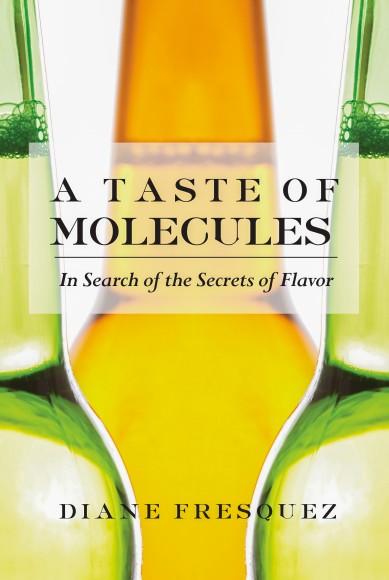
“A Taste of Molecules: In Search of the Secrets of Flavor”
By Diane Fresquez
The Feminist Press at CUNY, 208 pages, 2013
» Click here to buy the book
But why mead? It turned out Rennotte was obsessed with recreating the flavor of his first boyhood taste of mead, known as hydromel (“honey water”) in French. In other words, he was using science to track down a fleeting, Proustian taste from his childhood in the Belgian countryside.
Rennotte’s story lies at the heart of a book I wrote to explore our mostly pleasurable relationship with flavor, and the science behind it. I caught up with him recently at a food festival in the Parc Royal in Brussels. A crowd was gathered in front of his Nectar & Co stand to sample his Bee Wine.
Many people were mystified — was it wine or not? He happily explained its origins, as he offered tastings. Most people were delighted with the flavor. “It makes a great aperitif, or can be used as an ingredient in a cocktail,” Rennotte said. He’s also a trained chef, and loves using it as a marinade for lamb or fish, or as a dessert ingredient. “It’s great in sabayon,” he noted.
People were also sampling about a dozen types of organic honey with different flavors, aromas, textures and colors that Rennotte imports from around Europe for his Bee Honey collection. They include lemon blossom, wild carrot, eucalyptus and coriander. My favorite is the sunflower honey — thick as molasses, butter yellow and delicious on Le Pain Quotidien sourdough bread. One of his best-sellers is a spreadable paste made of just honey and pureed hazelnut. It tastes like Nutella, but with no added sugar or oil.
Rennotte isn’t the only novice alcoholic beverage entrepreneur who has turned to science for help and inspiration. One of the recipes in my book is for sabayon made with Musa Lova, a banana liqueur produced by a Flemish restaurateur. The liqueur is made in collaboration with the director of the largest in vitro banana species collection in the world, at the Laboratory of Tropical Crop Improvement at Leuven University. Musa Lova, a rum-based liqueur that comes in varieties such coffee or local honey, is made with ordinary Cavendish bananas, without added flavoring. Bananas contain a huge number of flavor molecules, which vary slightly depending on the ripeness.

“A Taste of Molecules” author Diane Fresquez. Credit: Thibault Cordonnier
Science not only helps alcoholic beverage makers, the producers influence science too. During my research in Copenhagen, for example, I discovered that the pH scale, used in medicine, agriculture and food science, was developed at the Carlsberg brewing company’s laboratory in 1909.
Rennotte’s hydromel is made from organic orange blossom honey from the Mount Etna area of Sicily, organic German yeast and spring water. His meadery, south of Brussels, is a former slaughterhouse that he refurbished with solar panels and a system to reuse the water that cools the fermentation tanks.
More from Zester Daily:
» It’s time to show honey some love
The first time I tasted Rennotte’s mead was at his wife’s bakery-patisserie Au Vatel in the European Quarter, where we met often to talk about his search for the perfect mead. The early sample I tasted, which he had poured straight from a plastic lab bottle into a wine glass, was clear, young but tasty. The honey-tinted final product I drank at the food festival was light and sweet with a complex flavor that, one customer noted, develops and changes slightly with every sip.
“I couldn’t have done it without science,” Rennotte said. “I learned how the yeast functions, the importance of the pH of the honey and the temperature of the water — I learned it all from Sonia.”
Rennotte is incredibly proud and happy with his hydromel. But did he manage to capture the flavor he remembered from childhood? “I’m still searching,” he said. “Perhaps I’ll be looking for it for the rest of my life.”
Crumble of Christmas Boudin Sausage With Mead Sauce
Prep time: 15 to 20 minutes (plus chilling)
Yield: Serves 4
Ingredients
For the boudin mixture:
1/3 pound white boudin with pecans
1/4 pound black boudin with raisins
A “knob” of butter (roughly 2 tablespoons)
For the apple compote:
2 cooking apples
1/4 cup water
2 tablespoons sugar
For the mead sauce:
2 cups veal stock
1 1/4 cups mead
Salt and pepper to taste
For the topping:
2 ounces Speculoos (classic Belgian spice cookies)
Directions
1. Prepare the compote the day before or in the morning, so that it can be well chilled before serving. Peel and cut the apples into chunks. Cook the apples in the water on high heat. After 5 minutes, mash the apples, drain off any excess water and add the sugar. Chill.
2. Before serving, remove the skin of the sausages and place the meat in a mixing bowl. Mash the sausage meat with a fork. Cook the sausage meat in the butter in a nonstick pan on high heat. Remove when the meat is browned and keep warm.
3. To create the mead sauce, combine the veal stock and the mead in a saucepan, simmer and reduce. Salt and pepper to taste.
4. Prepare the Speculoos cookies by breaking them into small pieces.
5. When serving use 4 balloon-type wine glasses to layer the ingredients in the following order:
- 2 tablespoons warm sausage meat
- 1 tablespoon mead sauce
- 2 tablespoons cold compote
- 1 tablespoon crumbled Speculoos cookies
Notes
This is one of Xavier Rennotte’s favorite mead recipes, a starter or amuse-bouche based on boudin (blood sausage) from the southern, Francophone region of Belgium. During Christmastime in Wallonia, butcher shops’ windows are overflowing with boudin made with a variety of ingredients, such as raisins, apples, walnuts, leeks, pumpkin, truffles and Port. Each butcher competes to offer his or her clients a selection of sweet and savory boudin sausage.
Main photo: Belgian beekeeper Xavier Rennotte has given mead a makeover with the launch of his Bee Wine. Credit: Xavier Rennotte