Articles in Book Reviews
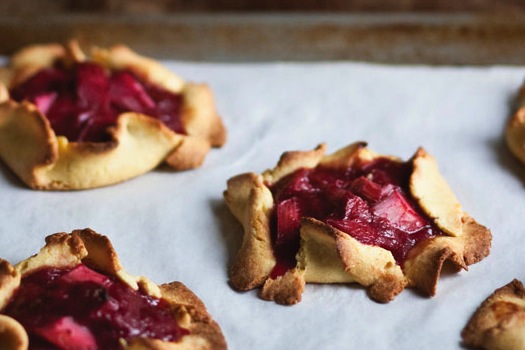
I love the feeling of excitement I get when I start reading a new a cookbook and know right away that it’s something very special.
Kim Boyce, a former Los Angeles pastry chef at Spago and Campanile and frequent contributor to Bon Appetit magazine has written that “something special” in her debut cookbook “Good to the Grain: Baking with Whole-Grain Flours.” The book is special in the way that Boyce doesn’t just give us a book of recipes that use whole-grain flours to make us think we’re eating healthier. Boyce explores the art of balancing flavors by mixing different whole grains together, pairing them with seasonal ingredients, creating a richness and depth of flavor in a collection of recipes that completely changed the way I thought about whole grains.
Working with 12 different whole-grain flours from amaranth to teff, Boyce begins each chapter with an introduction explaining the origins and characteristics of each flour. When she introduces readers to teff flour, we learn it’s used in making the flatbread injera, traditionally served in Ethiopian restaurants. Teff is gluten-free so it’s mixed with whole-wheat flour to make a starter and allowed to ferment overnight, creating the sour taste distinctive to this spongy, crepe-like bread.
I had never heard of this flour, so I was excited to try Boyce’s graham cracker recipe. Mixing this rich malt-flavored flour with all-purpose flour and graham flour, these crackers could not have been easier to put together. I even perforated each cracker to mimic the store-bought varieties. There is something so completely satisfying about making a recipe that simple that tastes better than anything you can buy in a store.
One of my favorite things about Boyce’s book is that instead of overwhelming readers with a huge number of recipes, she plays it smart with just 75 well-crafted, sophisticated recipes, ranging from breakfast pastries, breads and cookies to desserts.
Boyce, an avid jam maker, includes a chapter on home-made jams and compotes, using the best seasonal fruits and vegetables available from your local farmers markets. There is also chapter for mail-order sources. I thought it might be difficult to locate some of the flours Boyce used, but after a quick look around my local Whole Foods Market I found nearly every whole grain needed.
There are many books on the market using whole-grain flours. Most that I have read are complex and academic in their approach to the subject, but Boyce has made the subject appealing, friendly and interesting. If you were to judge a book by its cover, Quentin Bacon’s beautiful color photography would certainly make this a bestseller. I have always had a fear of baking with unfamiliar ingredients, but Boyce has changed all that. I can’t wait to finish baking my way through this remarkable first cookbook.
Buy Kim Boyce’s “Good to the Grain” Now!
Tim Fischer managed The Cook’s Library in Los Angeles, named one of the “Top 10 Cookbook Stores in the World” by Saveur. He also has been a judge for the IACP Cookbook Awards for four years.
Photo: “Good to the Grain: Baking with Whole-Grain Flours” By Kim Boyce with Amy Scattergood.
Credit: Stewart, Tabori & Chang
When I think about the foods associated with Easter, the first thoughts that come to mind are chocolate rabbits, dyed eggs and the infamous marshmallow Peeps. I’ve never given the dinner menu much thought.
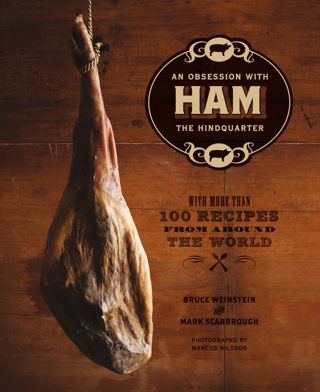
I’m sure as a kid I tried to sneak jelly beans on my plate, calling them a side dish. In my family there was always a ham, like an invited guest, at the Easter dinner. I remember a large pink round of meat with pineapple rings attached to the side with cloves, and a sticky sweet glaze covering the whole thing. Since it only appeared on the table once a year, and I was more interested in the chocolate bunny, I had never given ham much consideration until I discovered’s recently released “Ham: An Obsession with the Hindquarter.”
Bruce Weinstein and Mark Scarbrough are the authors of nearly 20 cookbooks including the best-selling “Ultimate Series,” a collection of 10 single-subject titles, including “The Ultimate Ice Cream” and “The Ultimate Party Drink.” But what sets this book apart from the others is that it’s not just a collection of recipes, it’s a story book about a subject for which they obviously have a great passion.
 Defining the ham, meeting the pig
Before writing this informative and often very funny book, the authors decided they needed to come up with a definition of ham, one to use as a strict guideline. After consulting culinary resource volumes they settled on: “Composed of four muscle groups, a ham is one back haunch (the butt cheek, if you will) and upper back leg down to the shank (the shin, in butcher parlance) of a pig, boar, shoat, or other porcine-ish animal.”
Weinstein and Scarbrough also felt that to fully understand what they were getting into, they would have to own a pig. Helping the farmer raise their new friend “Wilbur” was one thing, but leading him to slaughter was something different all together. With a healthy new understanding of the fact that meat is “well, meat: muscle and ligament from a living creature,” they discovered a new found respect for the animal.
Dividing the book into four sections, the authors begin with fresh ham, including dozens of recipes ranging from a basic roast with a simple maple-spice glaze and an oven-barbecued style to more international dishes — a Tuscan roasted ham, a Cuban style dinner, even a Filipino twice-cooked pork. An unconventional recipe of Moroccan-style roasted ham involves rubbing the meat with a pungent mixture of coriander, ginger cinnamon and cumin. Probably not the first choice in a Moroccan diet, but Scarbrough promises this treatment is just too good to pass up.
Prosciutto to jamon, dry-cured to wet-cured
The next section explains the differences between dry-cured meats, a fantastic crash course on Italian prosciutto, Spanish jamon, Portuguese presunto and the many others from around the world. All of the recipes here sound so good it was hard to pick just one to try. I settled on orecchiette with sage, roasted garlic, cauliflower, and prosciutto — perfect for a cool evening. I roasted the garlic and cauliflower, mixed them with prosciutto, sage and orecchiette, added a splash of wine, some grated Parmigiano-Reggiano and in no time at all found I had added a simple and satisfying dinner to my repertoire.
A section on dry-cured ham in the New World covers the country hams from the southern United States, each of which is cured just a little bit differently. Another on wet-cured hams, commonly known as picnic hams and the most popular option for Easter dinners, potlucks, weddings and even funerals, finishes out this user-friendly volume with full color photography by Marcus Nilsson.
There are recipes for leftovers, side dishes and even cocktails for an impromptu “ham party.” Don’t miss the tester’s notes with tips on carving and equipment, and other information useful for any cook. What I loved most about this book were the authors’ hilarious accounts of traveling to ham producers all over the south, curing meat in their tiny kitchen, trying to get the last 14-pound ham from Wilbur through airport security. “Ham: An Obsession with the Hindquarter” is a fantastic resource, certain to add a new depth to your library.
“Ham: An Obsession With the Hindquarter”
By Bruce Weinstein and Mark Scarbrough
(Stewart, Tabori & Chang, $29.95, 223 pages)
Buy Weinstein and Scarborough’s “An Obsession With Ham” Now!
Tim Fischermanaged The Cook’s Library in Los Angeles, named one of the “Top 10 Cookbook Stores in the World” by Saveur. He also has been a judge for the IACP Cookbook Awards for four years.
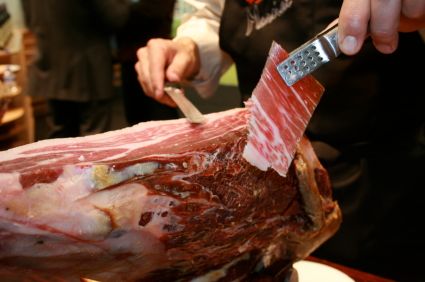
Photo: Spanish ham being sliced. Credit: Manuel Velasco
If you’ve ever thought about becoming a pastry chef or want to know how a restaurant dessert makes its way from an idea to the kitchen to the plate and ultimately to your table, Robert Wemischner’s, “The Dessert Architect” would be a wonderful addition to your library. Wemischner has taught baking and pastry at the Los Angeles Trade Technical College for 18 years. He has written four culinary books, was a pioneer in the gourmet-to-go trend and is a regular contributor to Food Arts and Pastry Art and Design magazines.
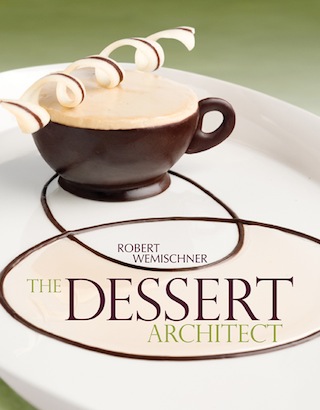 Written for pastry students but accessible to anyone interested in learning the essentials, “The Dessert Architect” (available at RobertWemischner.com) is an informed look at what it takes to work in the business today. Featured throughout the six chapters are sidebars from several professional pastry chefs like Gale Gand, Claudia Fleming and Pichet Ong, writing about personal experiences in their own kitchens, offering inspiration and helping to expand this clearly writtenbook into a satisfying baking tool.
Wemischner begins with a chapter on the four cornerstones of pastry: flavor, texture, temperature, and contrast. He uses charts to categorize each, demonstrating, for example, ingredients that are dominant flavors (chocolate, hazelnut), sour (lemon, cranberry), and pungent (ginger, cardamom). As a result, readers are better equipped to understand how the layering of these elements can make a dessert complex. The chapter’s final recipe, “A Couple of Doughnuts,” incorporates all four cornerstones: caramel coated poached white peaches with white doughnut peach and violet mousse, and a highly recommended buttermilk spiced doughnut precariously perched on top. I have never made doughnuts before so I was eager to try this part of the recipe. With a beautiful assortment of spices including mace, nutmeg and cinnamon, and straightforward instructions that were easy to follow, I could not have been happier with the final results. Now all I have to do is figure out what to do with a gallon of spiced frying oil.
Other chapters focus on ingredients and equipment, creating a dessert menu, beverage pairings, and particularly interesting, plating. Wemischner establishes guidelines on how much sauce to use (too little can be just as bad as too much) and illustrates basic shapes for cakes and ice creams. The tip that I found most useful for home bakers is to draw your design before you put the dessert on the plate.
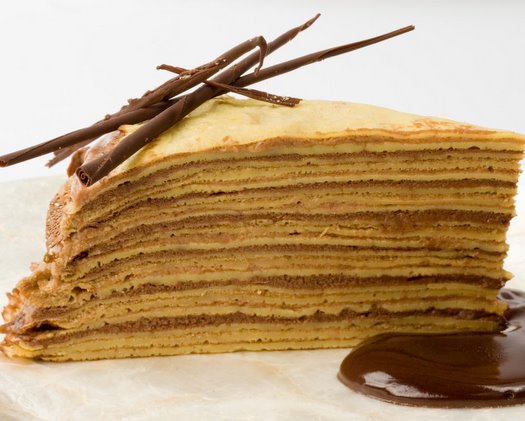 The book’s more than 50 meticulously detailed recipes (you’ll need your kitchen scale — ingredients are measured by weight) are accompanied by full-color photographs by Elon Schoenholz. Recipes, designed for restaurants, are comprised of several components. For instance, the Chocolate Melting Moments Torte Flavored with Assam Tea includes the chocolate tea torte, malted milk chocolate ice cream, a tea-infused plating sauce and an Isomalt (a sugar substitute) and tea garnish. As a home baker, I find it extremely helpful that alongside each recipe is a list of equipment needed and the order in which to make each component. After finishing a recipe, Wemischner challenges his students to think of ways to create that same dessert using the recipe only as a guideline and incorporating alternate flavors or different techniques.
The appendix is filled with information on ingredients, specialty produce, equipment, a concise glossary, and website addresses for spots like the Culinary Institute of America, the French Culinary Institute, even King Arthur Flour, that offer educational opportunities for students.
After finishing Wemischner’s book, readers will have a much clearer understanding of what it takes to be a part of a pastry kitchen. But what I enjoyed most about “The Dessert Architect” is Wemischner’s commitment to his students: He never lets them stray too far from the fundamentals, and always encourages them to push harder.
Buy Robert Wemischner’s “The Dessert Architect” Now!
Tim Fischermanaged The Cook’s Library in Los Angeles, named one of the “Top 10 Cookbook Stores in the World” by Saveur. He also has been a judge for the IACP Cookbook Awards for four years.
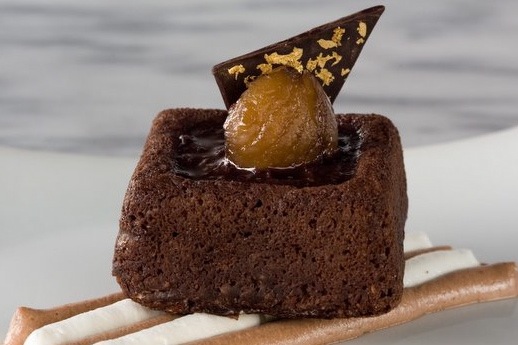
Photos of praline napoleon, top, and crepe cake marjolaine, bottom, by Robert Wemischner from “The Dessert Architect.”
Cookbooks make perfect Christmas gifts and publishers know this, so they bring out their best offerings this time of year. Because I am a baker, I most look forward to the baking books, and this is a stellar year. From the very simple to the extremely creative and challenging, here are four new books that are right for the bakers on your list.
Gingerbread
If you love gingerbread, look no further for y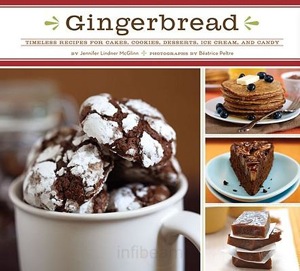 our favorite holiday treats than “Gingerbread: Timeless Recipes for Cakes, Cookies, Desserts, Ice Cream, and Candy” by Jennifer Lindner McGlinn. (Chronicle Books, $19.95)
McGlinn, a pastry chef and former executive editor of Art Culinaire Magazine is a true lover of all things gingerbread. She realized her passion after her grandmother passed on her 1950 edition of “Betty Crocker’s Picture Cookbook.” She made her first gingerbread cake and was hooked. This is a beautiful hardback book full of color photographs and recipes for everything from gingerbread pancakes for breakfast to a charming gingerbread replica of The Betsy Ross house, complete with brickwork, fireplace and dormer. Lindner starts off with cakes. She covers everything from simple pound cakes, a beautiful spiced pear upside-down cake and the very grand celebration cake covered in praline butter cream. Cookies are next with everything from a crunchy easy-to-make gingersnap to the gingerbread-maple moon pies, treats that will make your house smell like Santa’s workshop. Don’t miss the gingerbread ice cream or the rich and gooey sticky toffee gingerbread pudding.
If there are gingerbread lovers on your Christmas list or you’re looking for new recipes for your own collection, “Gingerbread” is the book for you.
Year-Round Desserts
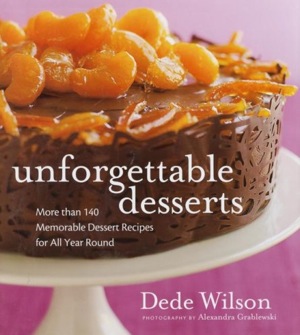 For the more sophisticated bakers, look for “Unforgettable Desserts: More than 140 Memorable Dessert Recipes for All Year Round” by Dede Wilson (John Wiley, $29.95)
Wilson is the host of the public television cooking show “Seasonings with Dede Wilson,” author of numerous cookbooks and a contributing editor to Bon Appetit magazine.
Wilson begins with a basics chapter featuring building-block recipes such as a simple sugar tart crust, quick puff pastry, dark and moist chocolate cake, and her signature buttercream, all recipes that you will use to create many of the beautiful upscale desserts featured throughout this colorful hardback volume. There is an extensive list of the many types of chocolates and cocoa powders that are used in Wilson’s recipes as well as pages of “do ahead tips” for pies and cakes. The cake chapter clearly is a favorite of Wilson, who has already done two books on wedding cakes. Whether a simple, straightforward chocolate cake with little embellishment or the extravagant Clementine-chocolate-almond torte, her recipes are all approachable and easy to follow. Wilson even includes a vegan strawberry ganache cake using soy ganache. If it’s an elegant dessert you’re looking for, “Unforgettable Desserts” will not disappoint.
Cakes Galore
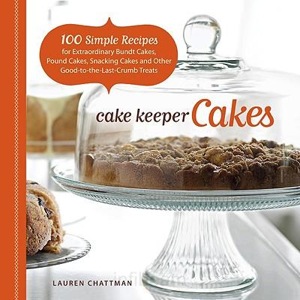 Lauren Chattman, author of 10 cookbooks and co-author of dozens more brings us “Cake Keeper Cakes: 100 Simple Recipes for Extraordinary Bundt Cakes, Pound Cakes, Snacking Cakes and Other Good-to-the-Last-Crumb Treats.”
When Lauren’s husband and children gave her a Mother’s Day gift of an antique cake plate, she placed it on her kitchen counter and vowed never to let it go empty.
This slim paperback book is full of easy-to-follow recipes that take no time at all to mix together using ingredients that most cooks already have in their pantries. Almost all of Chattman’s cakes are mixed together using one bowl and can easily be put together in the time between finishing homework and starting dinner, but are still special enough for last-minute dinner guests.
There is a short but concise primer on proper pan sizes, ingredients, tips on mixing techniques, and ways to tell when your cake is done. There are even tips on how to keep your just-baked cakes fresh.
Chattman begins with snack cakes such as chocolate malted snacking cake — perfect for after-school treats. Her chapter on loaf cakes features more than a dozen simple pound cakes such as the Nutella swirl cake or the grown-up walnut whiskey pound cake with a whiskey glaze, which is potent and delicious. The peanut butter-sour cream bundt cake is a favorite too.
For simple, rustic, easy-to-make cakes, look for Lauren Chattman’s “Cake Keeper Cakes.”
NPR Newcomer
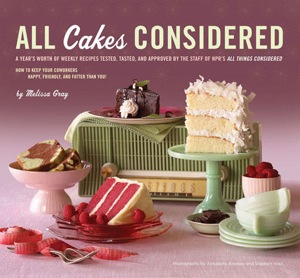 One of my favorite books of the season has to be “All Cakes Considered: A Year’s Worth of Weekly Recipes Tested, Tasted, and Approved by the staff of NPR’s All Things Considered” by Melissa Gray. (Chronicle Books, $24.95)
Melissa Gray, a producer at NPR’s “All Things Considered,” is known as The Cake Lady. Every Monday morning Gray brings a home-made cake to the office to share with her co-workers. She figures that the average American worker spends eight to 10 hours a day with people to whom they’re not related but who are, in a sense, their adopted families. Monday was picked as the day because “that is the day you look forward to least.” Remembering the baking of her mother and grandmother, she found she had only a few cake recipes in her repertoire. Gathering recipes from friends, neighbors, the Internet and even spiral-bound church collections, Gray set a goal of learning to be a better baker.
The project began more than a year ago with a few simple rules: No box mixes, no canned frosting, no margarine, no low-fat sour cream, no fake sugar and, most of all, no repeats.
Starting with a recipe for “The Man Catcher,” a sour cream pound cake that she says no man can resist, Gray explains in hilarious detail how to make this cake from beginning to end. After reading this chapter, you should never have another question about what it means to cream butter and sugar or how and when to add eggs or what, exactly, is meant by “bake 90 minutes.”
Chapter 1 is full of easy cakes that any beginner can master, such as a simple brown sugar pound cake or Ina Garten’s Barefoot Contessa sour cream coffee cake.
Moving on to bundt cakes, Gray holds your hand while baking dozens of delicious goodies and then dives right into the wonderful chapter on layer cakes. She even includes a chapter on cookies and bars because after baking all those cakes you’ll be ready for a break.
Full of beautiful color photography from Annabelle Breakey and featuring delicious, easy-to-follow recipes and baking tips that will give confidence to even the most timid bakers, “All Cakes Considered” is charming and witty and sure to find a permanent spot in your ever-growing collection.
All of these books will help you to become a better, more confident baker. So whether you are looking for that perfect slice of gingerbread, a quick dessert for your family, or an elegant end to a holiday meal, there is something for every dessert lover on your holiday shopping list.
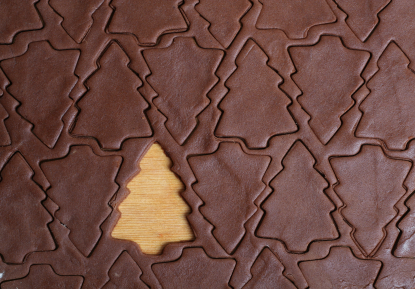
Photo: Christmas tree cut-out cookies. Credit Emilia Stasiak
Looking at a new cookbook, I nearly always find something to get excited about — and in the case of “Pure Simple Cooking: Effortless Meals Every Day,” it was the author. Diana Henry, food columnist for England’s Sunday Telegraph, has published five cookbooks including the very popular “Crazy Water Pickled Lemons,” a delightful exploration of North African and Middle Eastern food filled with fantastic and unexpected recipes. I’ve enjoyed many cooking successes with her previous books.
Henry’s new effort, “Pure Simple Cooking: Effortless Meals Every Day,” sadly, is not the book I had hoped it would be. It is an attractive, slim paperback with its standard table of contents and chapters on chicken, meat, fish, vegetables and desserts. It is also full of beautiful, mouthwatering photographs that will make you want to run to the kitchen and prepare the first thing you see.
That is exactly what I did. I tried the very first recipe in the book, Pacific Lime Chicken.
It looked and sounded like a winner: chicken thighs with a quick marinade of honey, lime juice, soy sauce, brown sugar, thyme and garlic all roasted together in the oven. Sounds great, right? Well, it was good, just not great. What had happened to all the wonderful sweet and salty flavors? Had I missed something in the recipe? The final product just didn’t have that depth of flavor the recipe led me to expect. I can’t figure out why all those great tasting ingredients would result in something so bland. This was certainly a dish I would not try again.
A friend who shares the same excitement for Henry’s books also tested some of her new recipes. We had the same reaction. Everything was fine, yet nothing was nearly as special as the recipes in her other books. Now I don’t cook every recipe in every book I read, and I’m sure there are some delicious recipes in this one that people may love, but when the very first recipe in the book disappoints, you have to wonder.
People are always looking for ways to get dinner on the table with little effort and a lot of flavor, and many of the new cookbooks I read over the summer were about quick and easy cooking. And there were countless similar books already on the shelves. So an author such as Henry better have something special to offer.
Several cookbooks available now offer great flavor and effortless cooking. Look for Diane Rossen Worthington’s 2002 title, “Seriously Simple: Easy Recipes for Creative Cooks.” There isn’t a bad recipe in the book. Over the years this has been my go-to book for easy, every-night dinners that never disappoint. The recently reviewed, “Mark Bittman’s Kitchen Express” gets it right too. Even Martha Stewart has done it well with her book, “Everyday Food: Great Food Fast,” compiled from the popular magazine Everyday Food.
There are hundreds of cookbooks available that offer quick, easy and effortless cooking — so it’s worth your time to slow down when choosing one. Read through the recipes before you buy. Make sure the recipes fit your style of cooking. Watch out for hard-to-find ingredients or ingredients that don’t cross over to other recipes.
I am still a fan of Henry. A few disappointing recipes are not going to turn me off, but I sure was hoping that her ideas on simple, effortless cooking would deliver much bigger and bolder flavors.
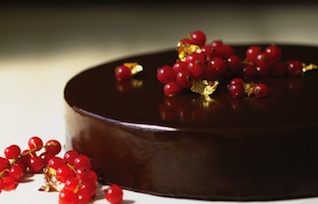
Looking back, baker and author Rose Levy Beranbaum is one of the reasons that I got into baking. I was still an assistant at a New York talent agency, not yet in culinary school, when my boss told me about a newly published cookbook called “The Cake Bible.” It was 1988, and my collection of favorite recipes consisted of things I’d cut from magazines and a few passed-down family treasures. So one day on my lunch hour I bought a copy.
It changed everything. It changed my approach to baking, my style of baking — but most of all it taught me the discipline of baking. “The Cake Bible” was the first cookbook I’d read that gave measurements not only in volume but in ounces and grams too. Beranbaum encouraged owning a scale and weighing ingredients. She promised it would it make things so much easier. She was so right.
So with her trademark highlighted chart of ingredients and measurements, and her very firm, strict voice in my head, I baked my way through “The Cake Bible.” I even made a wedding cake just to see if I could, and I have to say it turned out exactly like the picture in the book. A proud moment indeed. But that was then. Beranbaum went on to write “The Pie and Pastry Bible,” “The Bread Bible” and many other wonderful award winning cookbooks. But I guess you never forget your first love.
When I heard she was coming out with the new book, “Rose’s Heavenly Cakes,” I thought, “Why? She’s already done that book. How could she top the original?” Then I realized how much has changed in baking in 20 years. Just look at ingredients now. Back then you basically had milk, semi-sweet or unsweetened chocolate. There are so many new fantastic artisan varieties available to the home baker now each with a different percentage of cacao, all with a different use. Look at all the new equipment available to us. Have you tried the new silicone baking pans? Sure they take some getting used to, but they make unmolding a cake so much easier and they don’t dent.
“Rose’s Heavenly Cakes” also has given Beranbaum a chance to rework some of her classics. She’s taken her famous Chocolate Oblivion Torte and changed it up with some new chocolate and made it into individual cakes. She also has a recipe for Palets d’or (golden chocolate coins), which are essentially flattened truffles taken from her out-of-print book “A Passion for Chocolate” and reinvented beautifully as a cake.
But the real finds in this book are her new recipes. Woody’s Lemon Luxury Layer Cake has such a depth of flavor: white chocolate cake with a hint of lemon, and a rich lemon curd filling, all topped with a creamy white chocolate and lemon curd buttercream. This is a wonderful finale for any special celebration meal. Try the Apple – Cinnamon Crumb Coffee Cake. It’s easy to make, no frosting to fuss with, and great for an afternoon tea. She even has several seasonal variations, such as peach-cinnamon or blueberry-cinnamon. There is a wonderful chapter, Baby Cakes, that include simple yellow, chocolate or white cupcakes as well as the impossibly smooth and shiny chocolate-lacquered Designer Chocolate Baby Grands, made from her incredible German chocolate cake base.
Beranbaum has given us a beautiful book with a familiar and friendly layout full of color photos of stunning cakes.
As always, don’t skip the chapters on ingredients and equipment. These are very important chapters in any cookbook. So many times we get a book home and want to make the first recipe we see. Take the time to read the introductory chapters. It can make such a big difference in your final product.
As I did with “The Cake Bible,” I can’t wait to finish baking my way through this book too.
Buy Rose Levy Beranbaum’s “The Cake Bible” Now!
MARK BITTMAN’S KITCHEN EXPRESS
404 Inspired Seasonal Dishes You Can Make in 20 Minutes or Less
(Simon & Schuster, $26)
How fast can you cook? How fast do you want to cook?
In his new book, “Kitchen Express,” Mark Bittman gives us more than 400 recipes, short and sweet, grouped together by the season and cooked start to finish in 20 minutes or less. One of the unique things about this book, and really the most fun part, is the recipes themselves.
Printed in paragraph form with no real measurements given, Bittman gives us just a hint of what you’ll need. A bunch of basil, a bit of parsley, and maybe one or two tomatoes or whatever you have in your pantry may be all you need to make a great meal in 20 minutes.
Before you start the timer though, realize the 20-minute time limit works if you know all the rules. Do yourself a favor and read the introduction and the following chapters on ingredients and stocking the pantry before you begin. There is so much good and useful information. It also helps to be organized. Can you multitask? Can you chop the garlic while the oil is heating and peel the vegetables while the garlic is cooking? If so, this makes things go a lot faster.
Now before I go any further, Mark Bittman has written a lot of cookbooks. He is probably best known for the award-winning “How to Cook Everything,” which has sold nearly 2 million copies and has recently been revised after 10 years. At more than 1,000 pages and weighing in at almost 5 pounds, it is full of helpful information on what equipment you may need, what ingredients to keep in your pantry, technique on chopping as well as explanations of almost every cooking term you have ever heard of. He also writes a weekly column, “The Minimalist,” for the New York Times that has turned into “Mark Bittman’s Quick and Easy Recipes from The New York Times,” repackaged from three earlier books in “The Minimalist” series.
Like I said, he has written many cookbooks.
So you may be wondering whether you need another Bittman book if you already have one. Bittman is clearly gearing “Kitchen Express” toward people who know their way around the kitchen. You may be short on time and, like me, may need to see the recipes on the page to get motivated to get dinner on the table. What’s appealing is the size of the recipes. No more than a paragraph long, they are easy to read and easy to follow.
Don’t get me wrong. I love to cook. I love to make big Sunday night dinners. I like the process of deciding what to make, shopping for the ingredients, chopping the onions, everything that goes with it; but that doesn’t mean I want to spend my entire night in the kitchen every night. That’s when I can turn to almost any page in this book and find something easy, delicious and fast to put together.
So I started in the first chapter, Summer, with Recipe Number 90, “Pasta with Spicy Shellfish.” Cook the pasta in boiling water. “While you are doing that, saute a couple of garlic cloves with red pepper flakes, stir in the shrimp, cook a few minutes longer and add the cooked pasta with some of its cooking water, and in less than 20 minutes…dinner. Or Recipe Number 23, “Proscuitto, Peach and Mozzarella Salad.” All it took was just a few simple fresh ingredients, and again in less than 20 minutes…instant lunch.
One complaint I have about all of Bittman’s books, though, is that they are not very visual. Not a photo to be found — must be part of the “Minimalist” look. It’s a small complaint for “Kitchen Express,” a smart book that saves valuable time for busy people who love to cook.
Buy Mark Bittman’s “Kitchen Express” Now!
Photo credit: Simon & Schuster
MARTHA STEWART’S CUPCAKES
175 Inspired Ideas for Everyone’s Favorite Treat
By Martha Stewart
(Clarkson Potter, $24.99)
Just when you thought there couldn’t possibly be anything left to write about cupcakes, along comes Martha Stewart, adding her expertise to the subject.
Every mouthwatering photo (more than two dozen photographers contributed to the book) makes you want to run to your kitchen and bake any one of the 175 recipes. The book’s layout is easy to use, with eight chapters ranging from the simple to the over-the-top. The “Swirled and Sprinkled” chapter has classics such as “Devil’s Food Cupcakes” and the obligatory “Red Velvet.” The final chapter, “Celebrations,” has cupcakes for more adventurous bakers, including “Candied-Hazelnut Cupcakes or “Spun-Sugar Crowned Cupcakes.” Throughout, Martha will hold your hand with step-by-step instructions for making and decorating every one of these treats.
Some of Martha’s recipes, whether in her magazines or her books, can sometimes be discouraging because of expensive, hard-to-find ingredients or complicated instructions. But these are cupcakes. Little more than eggs, butter, sugar and flour—ingredients found in almost anyone’s kitchen—are all that are called for. I made a batch of the “Red Velvet” cupcakes and found the instructions straightforward and easy to follow and the end result delicious.
A great chapter tells you how to display your creations for parties and for gift-giving. Read a little further and you’ll find templates and clip art that you can use to make your displays even more creative and fun.
The “Basics” chapter is one of the most informative I’ve read in a long time. It has all the usual information about what ingredients to use, which butter, salted or not, which size eggs you’ll need, all the usual baking guides with pan sizes. But the best paragraph in the entire book is on Page 294, where you’ll read how to adapt any recipe to make a standard-, mini- or jumbo-sized cupcake. Such an easy thing to share but often not included in books. Thanks, Martha.
So while summer is still here, bring the kids and a copy of “Martha Stewart’s Cupcakes” into the kitchen and bake your way to cupcake heaven.