
Articles by Author
Rioja is one of the five great wine regions of the world, its wines celebrated both for their great longevity and for their extraordinary value. Only here do the terms Reserva and Gran Reserva carry the weight of law: To qualify as the former, a wine must be aged in oak for a minimum of one year and spend two years in bottle before release, while the latter ages in oak for at least two years and in bottle for three. (Crianza requires a year both in oak and in bottle.) So the wines come pre-aged — and for prices that make Bordeaux or Tuscany seem exorbitant.
Today, winemakers such as Juan Carlos de Lacalle of Artadi and Telmo Rodriguez of Remelluri are arguing passionately that Rioja’s terroirs are as complex as Burgundy’s and that its wines should therefore be classified by village cru rather than length of time in barrel. But it will take a generation for such revolutionary change to occur in Spain; meanwhile, there is a panoply of styles to be savored, from the French oak-aged lusciousness of Roda’s Sela to the seamless classicism of La Rioja Alta’s 904. For complexity, longevity and value, not to mention sheer enjoyment, no red-wine region in the world can compete with Rioja. Olé!
CVNE Viña Real Reserva 2005
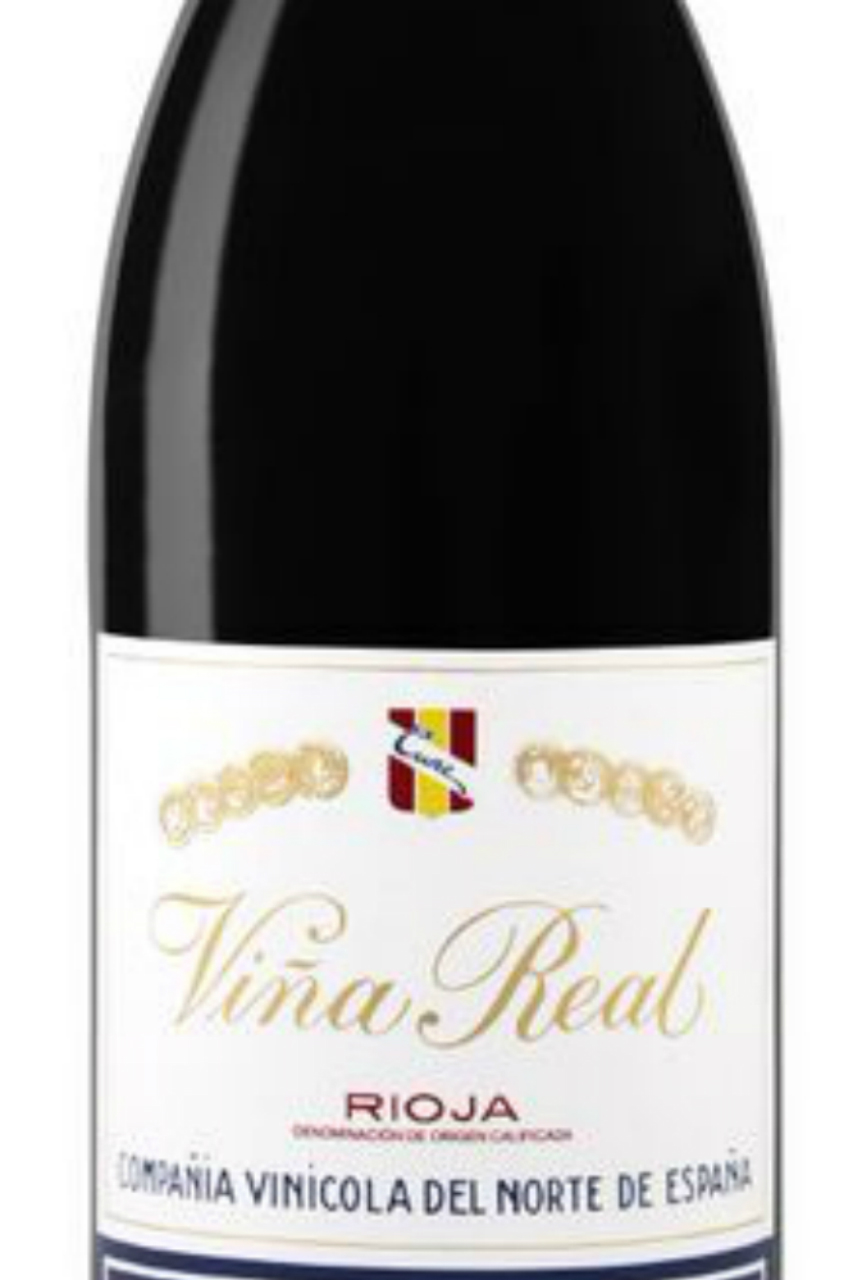 A delicious wine from CVNE, one of the old aristocratic bodegas of Rioja. Very sweet red fruit on the nose — first strawberry, then raspberry and ripe cherry, with hints of balsamic and molasses. Dense, ripe juicy tannins; lovely, lengthy notes of earth and dry bark. Around $40.
Artadi Viñas de Gain 2011
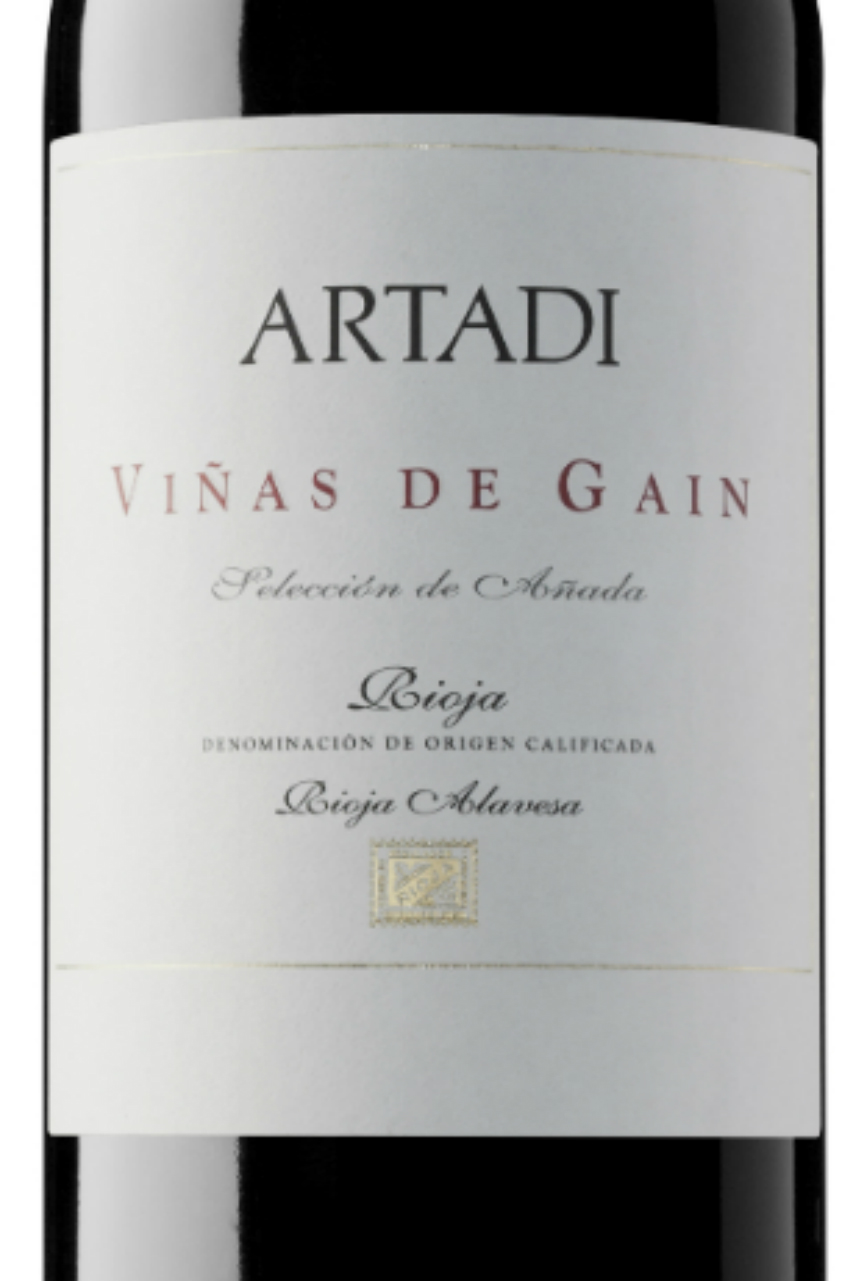
Juan-Carlos de Lacalle of Artadi is among Rioja’s radicals, his mission to highlight the region’s great microterroirs. This wine has superb bright fruit, a hint of leather on the palate, along with sour damson plum and briar, textured tannins, and a fine juicy finish. About $26.
Ysios Reserva 2008
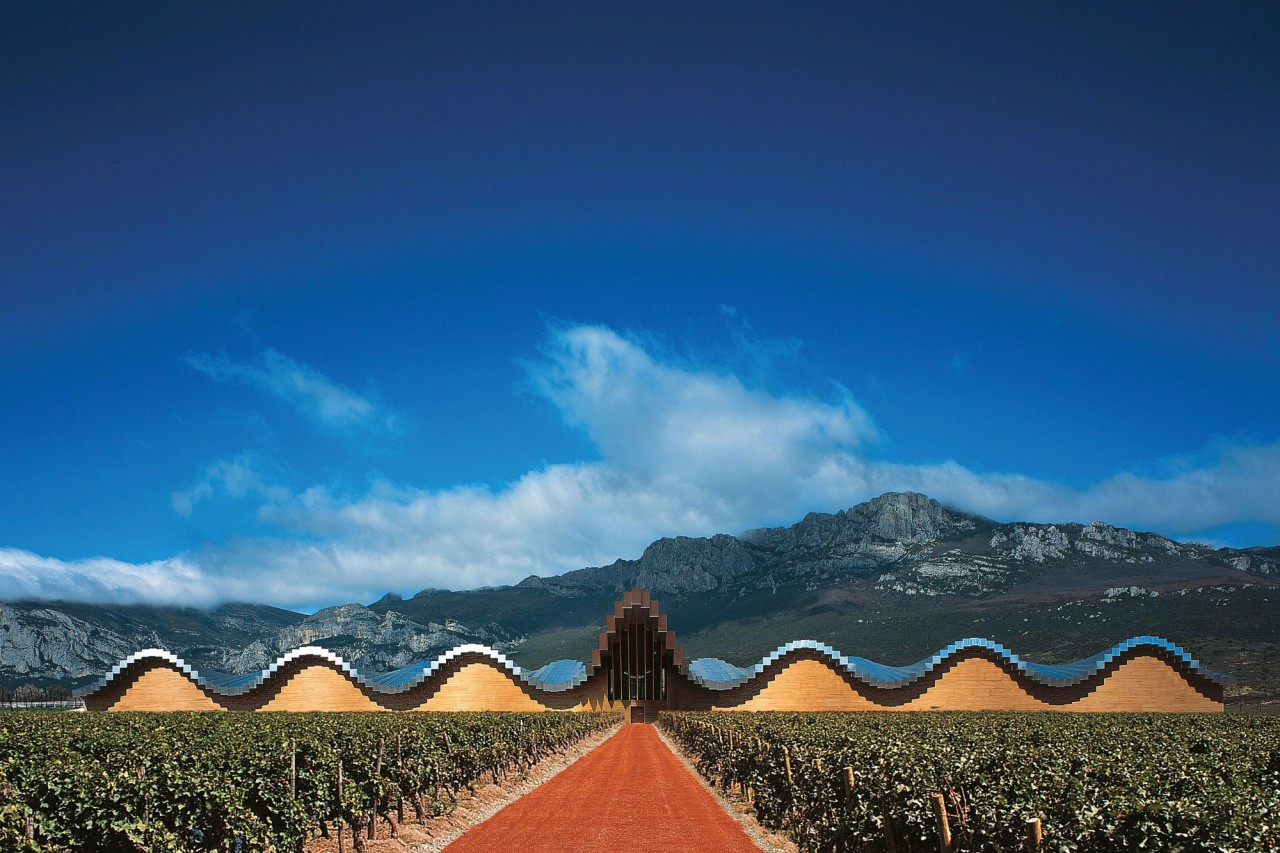
Bodegas Ysios in Álava, Spain. Credit: Copyright 2015 Bodegas Ysios
Ysios is one of Rioja’s most arresting bodegas, its wavelike façade designed by the renowned architect Santiago Calatrava to echo the peaks of the sierra in the distance. Equally impressive is this dense, restrained yet powerful modern Rioja, showing scrumptious blackberry fruit, minerality, smooth tannins and mouthwatering acidity. “We look for concentration, softness and energy,” winemaker Roberto Vicente says. Quite. About $26.
Marqués de Murrieta Capellania Reserva Blanco, 2010
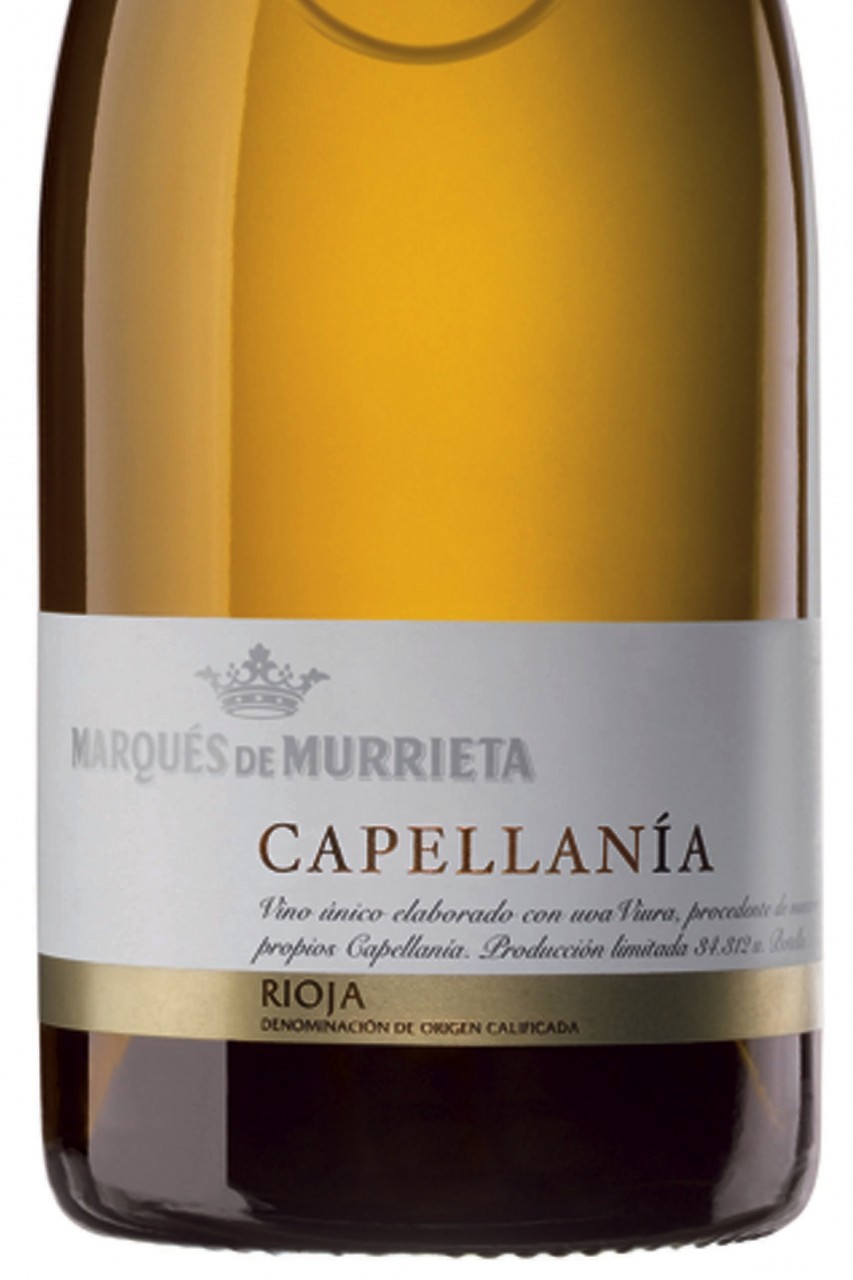
Rioja’s whites have a reputation for oakiness, but winemakers such as Murrieta’s Maria Vargas march to a different beat. This 100% Viura (the grape known as Macabeo in France) is full-bodied, certainly, but it’s balanced by dancing acidity, the aromas of roast almonds and white fruit, and a delicate, creamy finish. Delicious. About $20.
Remelluri La Granja Nuestra Señora de Remelluri Blanco, 2007
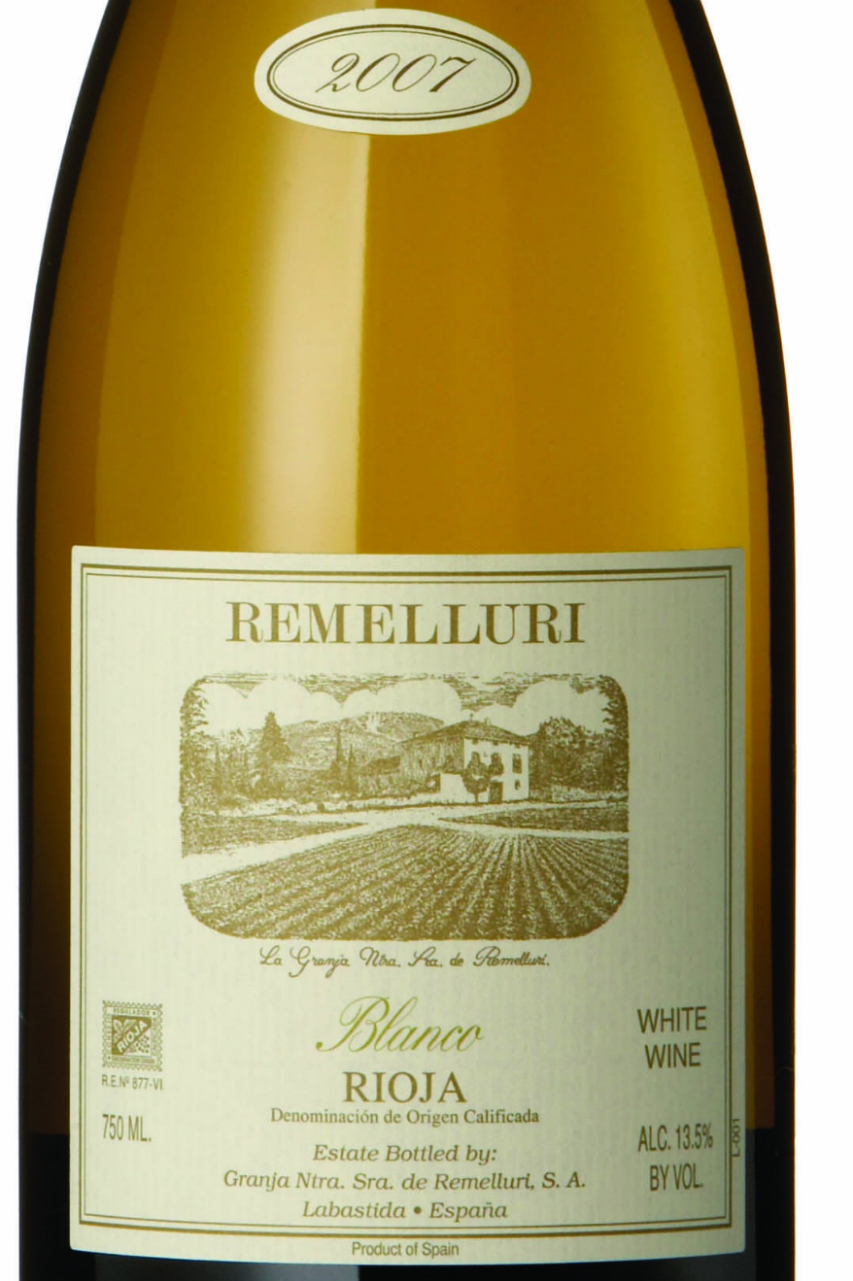
Is this offering from Remelluri the best white wine in Spain? Telmo Rodriguez’s field blend of Viura, Albariño and half a dozen other varieties makes the blood sing in your veins. White flowers on the nose precede a rounded palate with stone fruits such as peach, exotic spice and honey, pierced through with bracing acidity and fine mineral length. Balanced, luscious, triumphant. Around $25.
Ramón Bilbao Viñedos Altura 2011
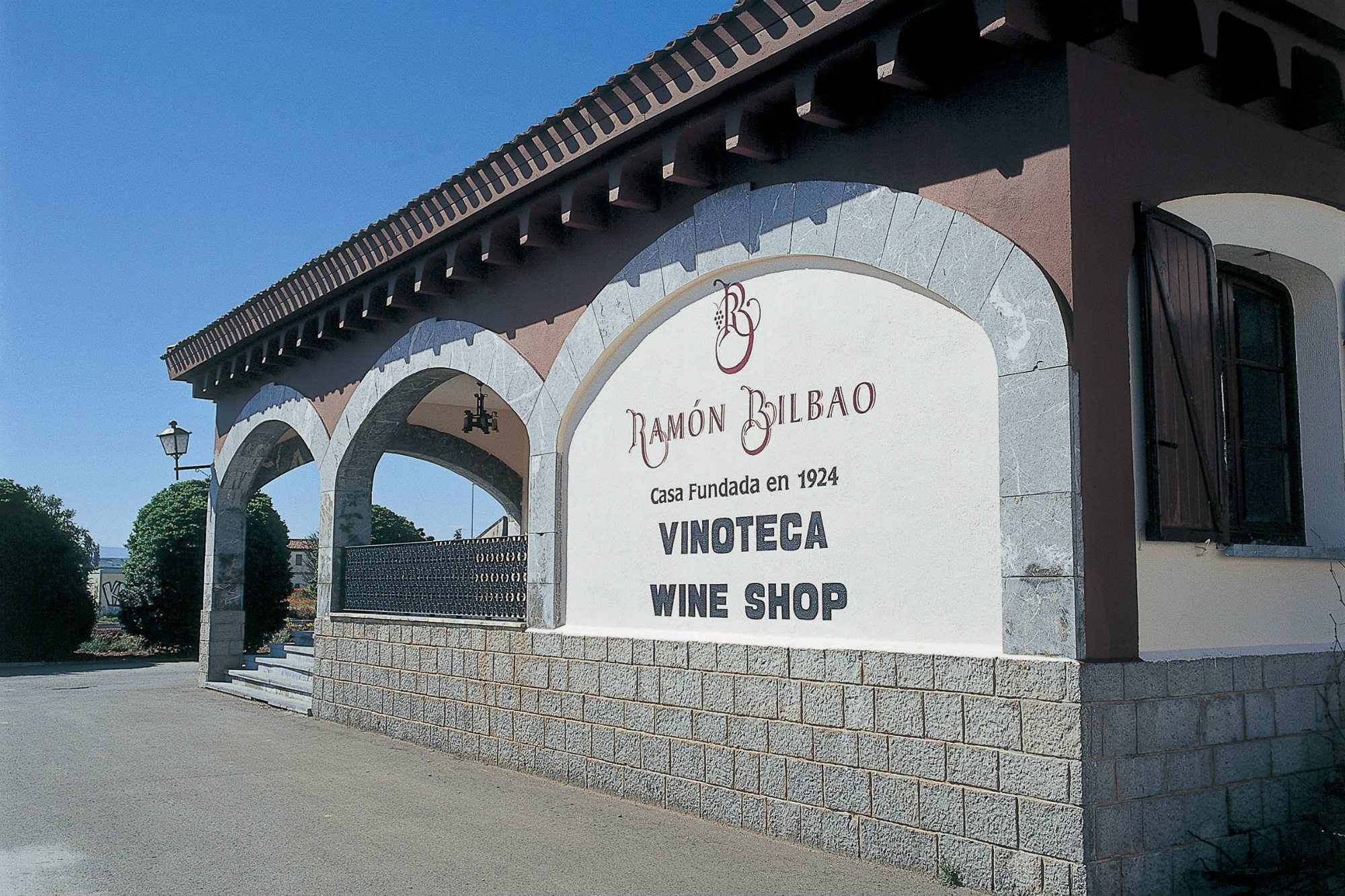
Bodegas Ramón Bilbao in Haro. Credit: Copyright 2015 Bodegas Ramón Bilbao
Riojanos can be snobbish about Garnacha, considering Tempranillo the only true noble grape of the region. Ignore them. The 50% Garnacha in this blend from Ramón Bilbao allows it a perfumed freshness, with lifted raspberry on the nose and juicy blackcurrant on the palate as well as a textured, tannic finish. Mouthwatering. About $20.
Marqués de Cáceres Excellens Reserva 2009
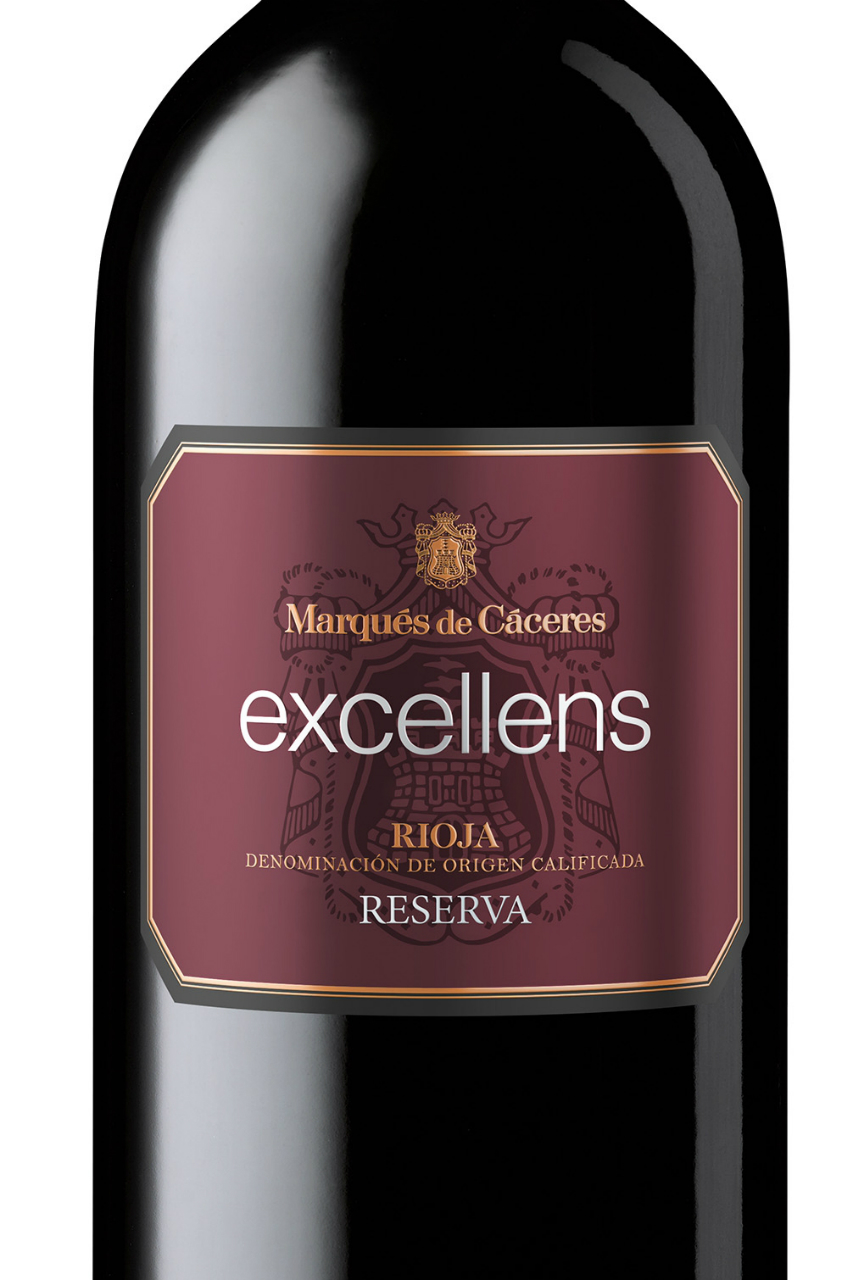
Though established in the 1970s, Caceres is known as one of the most conservative of the great estates. That image may change somewhat with Excellens, a new range from small, high-altitude vineyards; the Reserva’s expressive, cool spearmint nose with salted caramel leads to a palate with fresh blackcurrant and sour plum. Ultramodern, international style with soft tannins enlivened by tart acidity. Good. Around $16.
Marqués de Riscal Barón de Chirel 2010
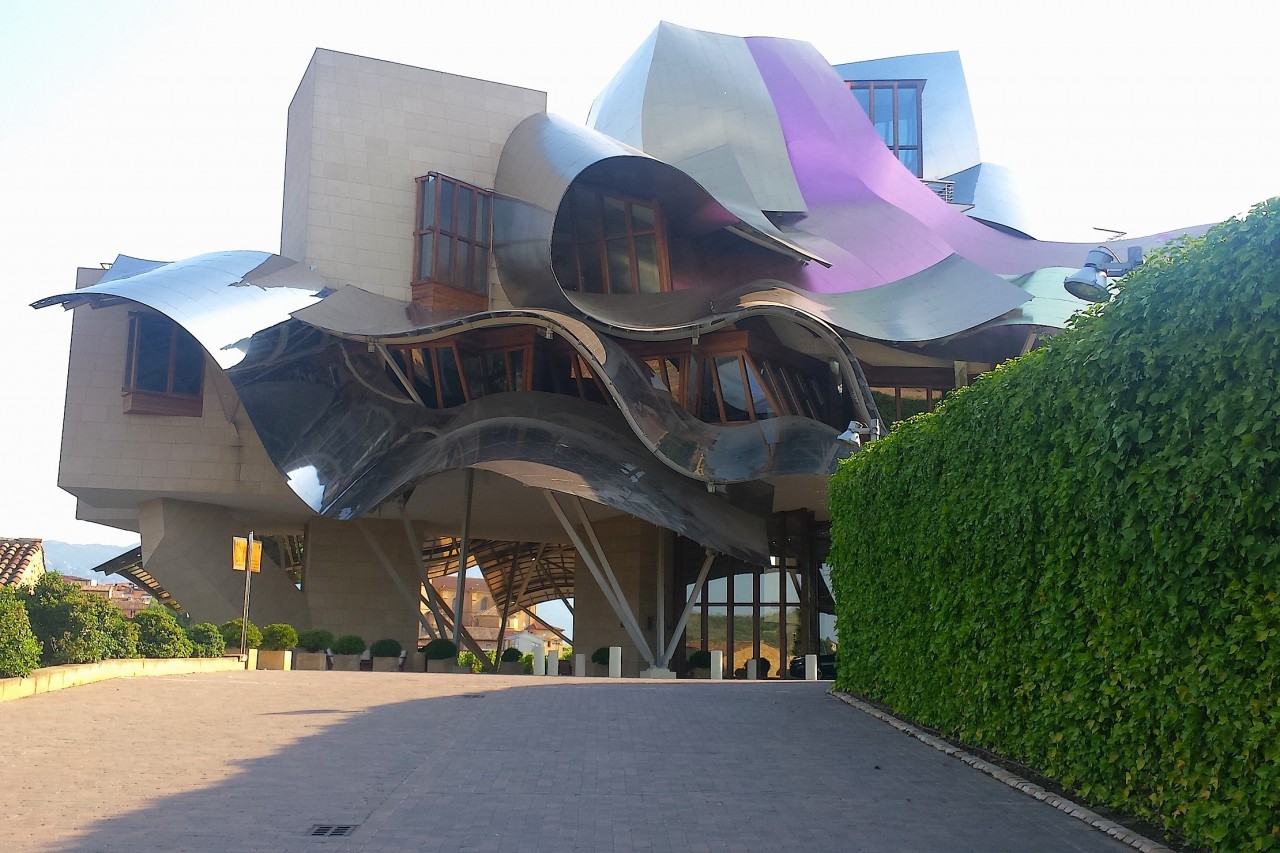
Hotel Marqués de Riscal in Elciego. Credit: Copyright 2015 Adam Lechmere
Established in 1858, Riscal is one of Rioja’s oldest bodegas, but with its titanium-clad hotel it rivals Ysios for modernist cool. Wines like this one, however, are classic. Lovely briar and licorice nose with a salty, river-mud stink, plus white pepper and fresh linen. Superb bursts of juice on the palate are balanced by lovely acidity, notes of snapped nettle stalk and polished tannins. Dense and compelling. About $50.
Contino Reserva 2009
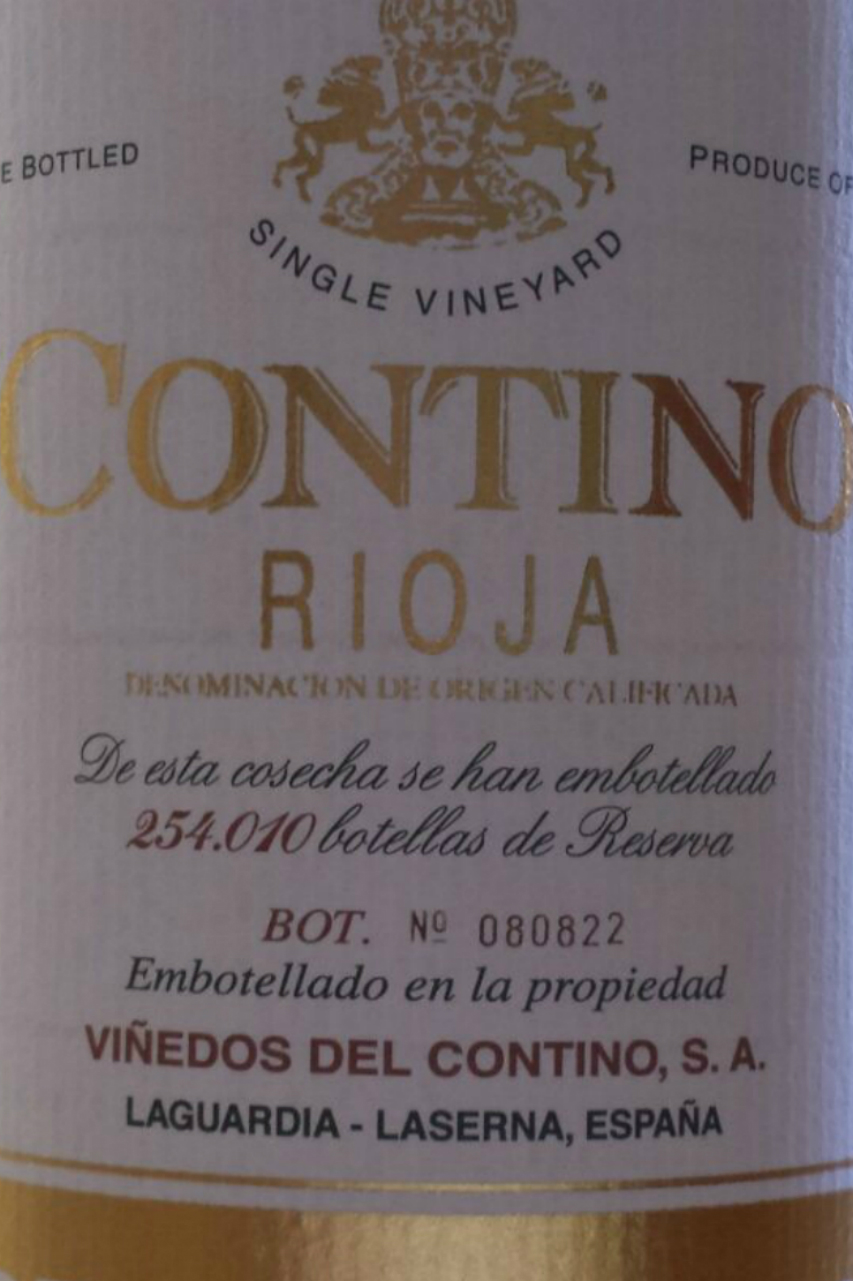 A single-vineyard wine from the CVNE stable, made by the brilliant Jesús Madrazo. Very fine, deep briar and black-cherry aromas open to ripe soft tannins and mouthwatering acidity; the pitch-perfect palate of blackcurrant and blueberry hints at sweeter red berry fruit. Sharp, juicy balsamic finish. Long and opulent, it would be perfect with rack of spring lamb. About $35.
Ontañón Vetiver Rioja Blanco 2013
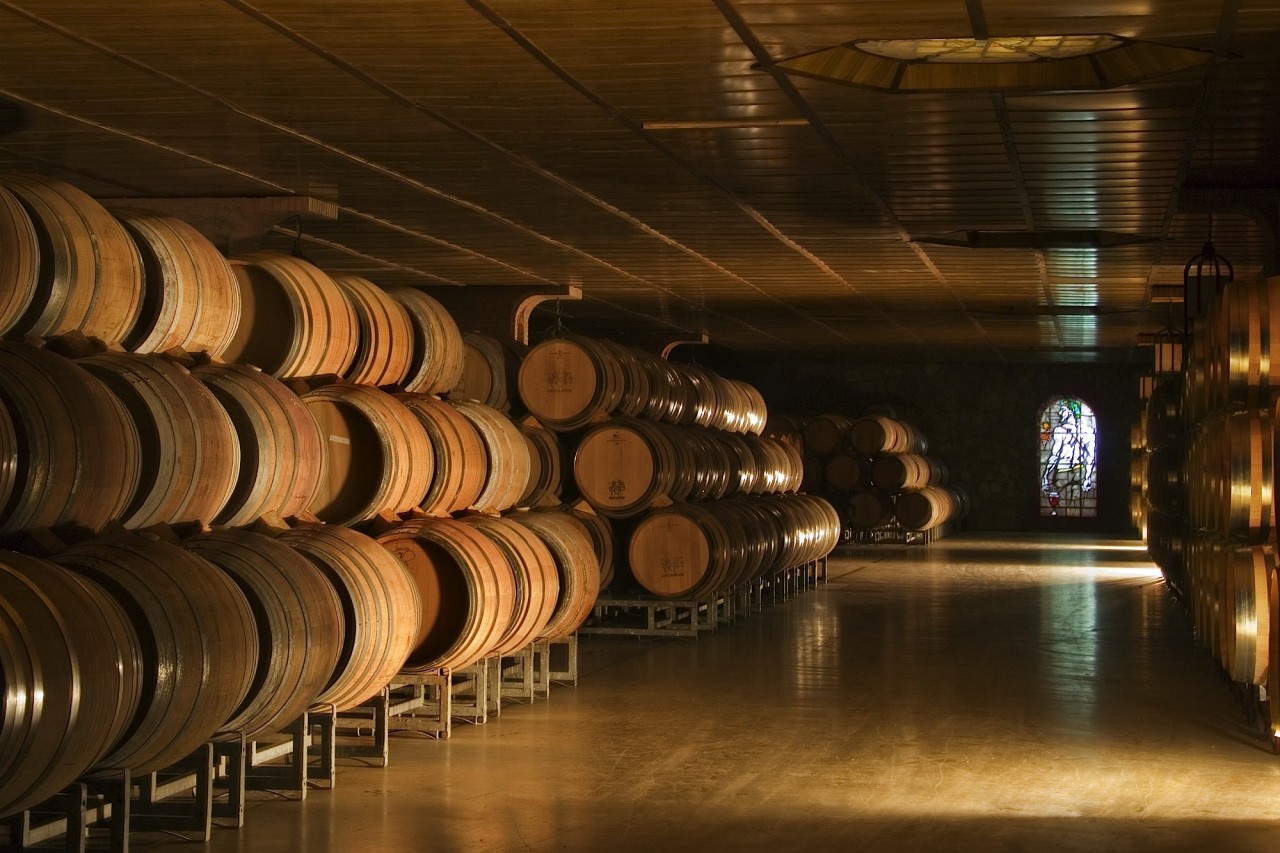
The barrel cellar at Bodegas Ontañón. Credit: Copyright 2015 Bodegas Ontañon
Another fine, dry, mineral white Rioja in the modern style, courtesy of Ontañón. Very pure with sharp, bright acidity, a hint of florality on the nose and a textured pear-skin palate. Defined, structured, brisk and intense — a food wine. About $12.
Luis Cañas Gran Reserva 2001
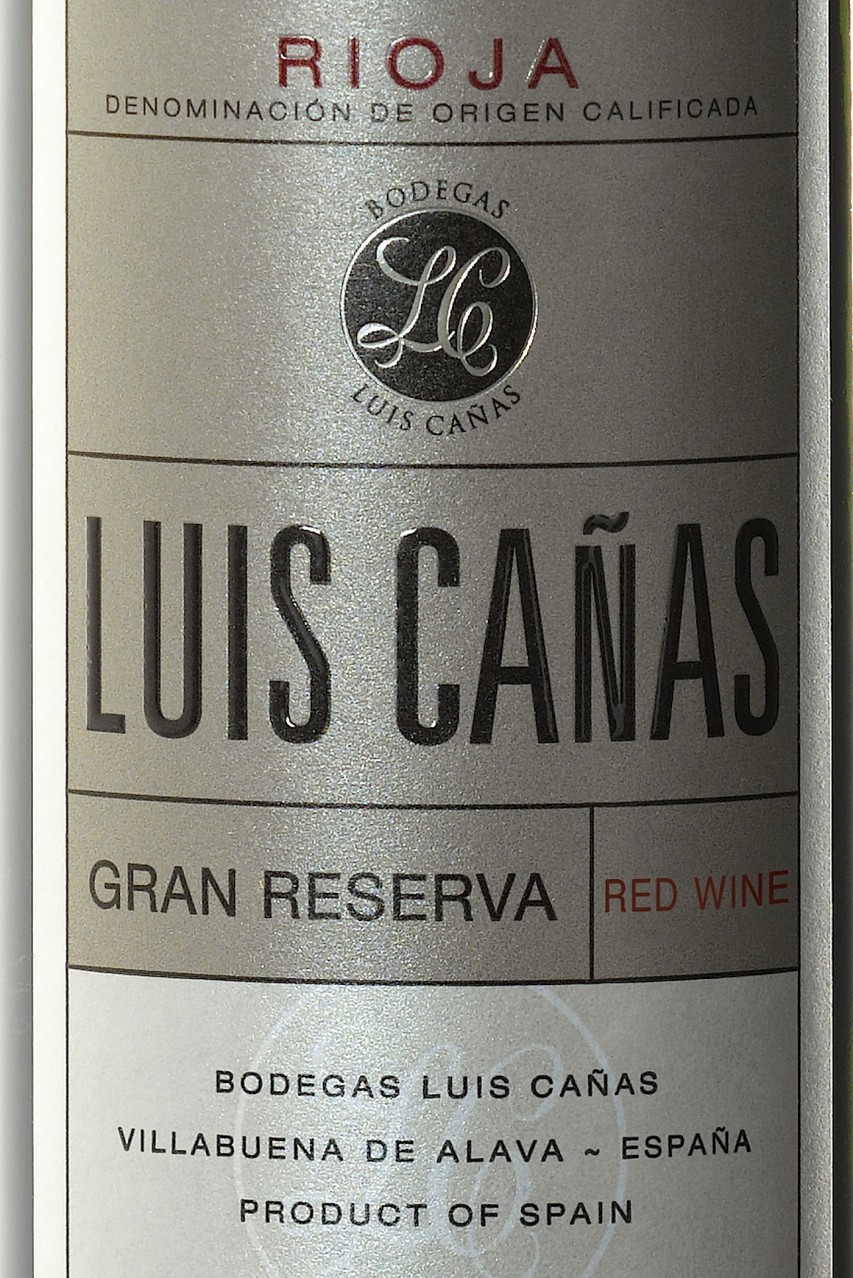
Bright, smooth, leathery nose, with some smoke and sun-warmed wood. Powerful sour plum and spice notes on the palate, along with intense linear tannins. There’s nothing big or brash about this wine from Luis Cañas — it’s got a superbly fresh, zesty length, yet it’s very austere and elegant. Excellent. Hard to get hold of but worth searching out as an example of just how well Rioja can age. About $40.
La Rioja Alta Gran Reserva 904 2004
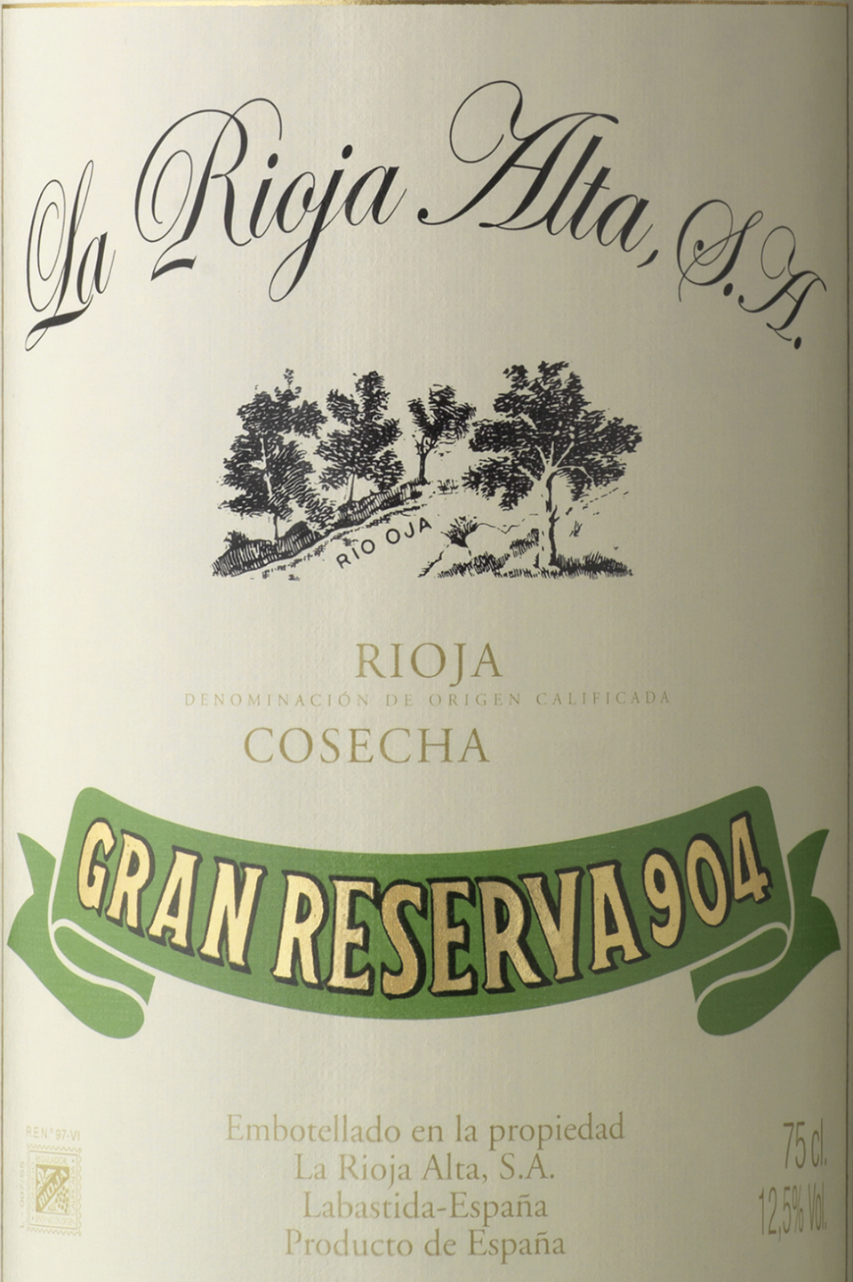
Pinot-like lightness of hue; earth, compost and potpourri on the nose. Ripe blueberry-fruit palate with hints of leather; round, soft tannins. Very restrained with subtle length — a fine and delicate classic brought to you by La Rioja Alta. About $50.
Gómez Cruzado Reserva 2008
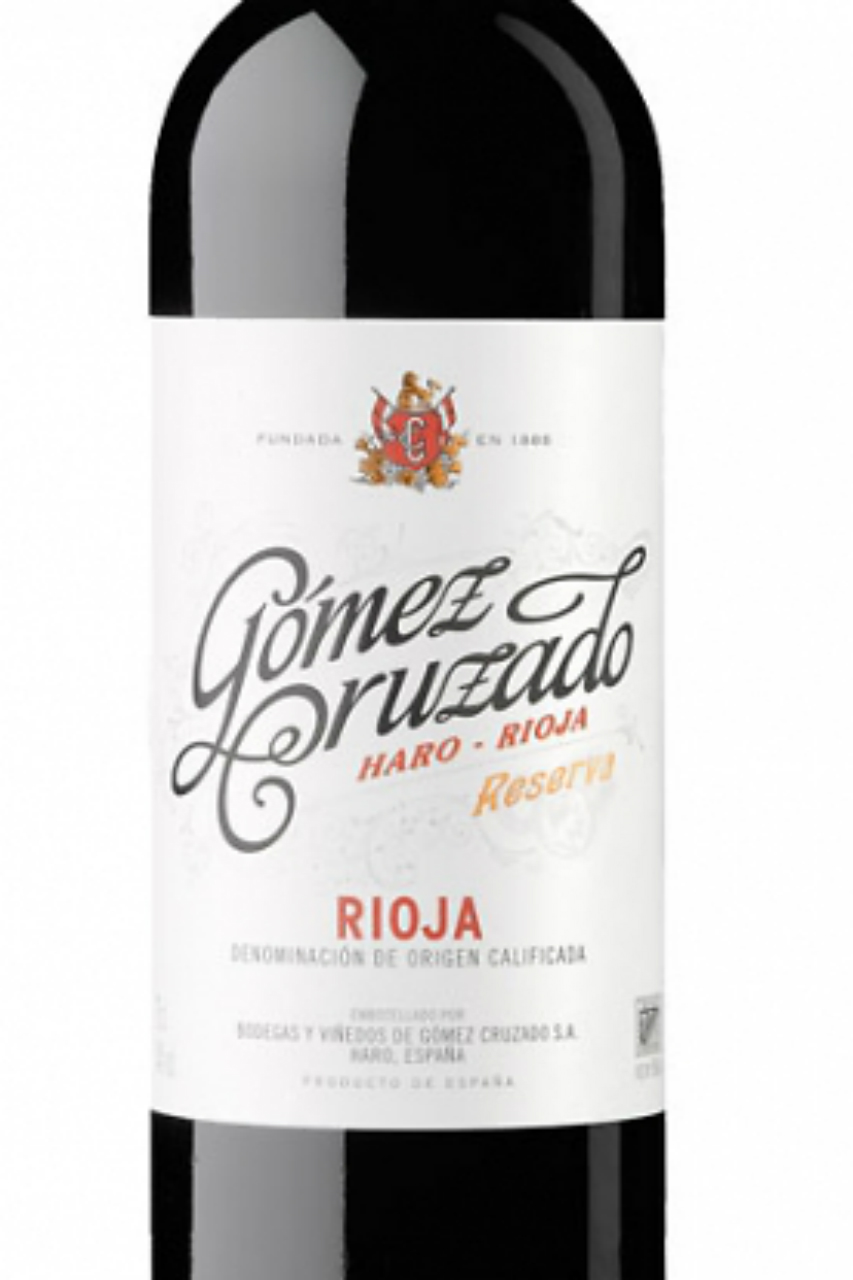
Voted champion in the United Kingdom’s 2013 Wines from Spain awards, Gómez Cruzado’s fine Rioja has an oak-sweet nose with vanilla and white pepper; ripe black fruit; and a powerful, dry length. Very fine. About $25.
Finca Allende Rioja Tinto 2007
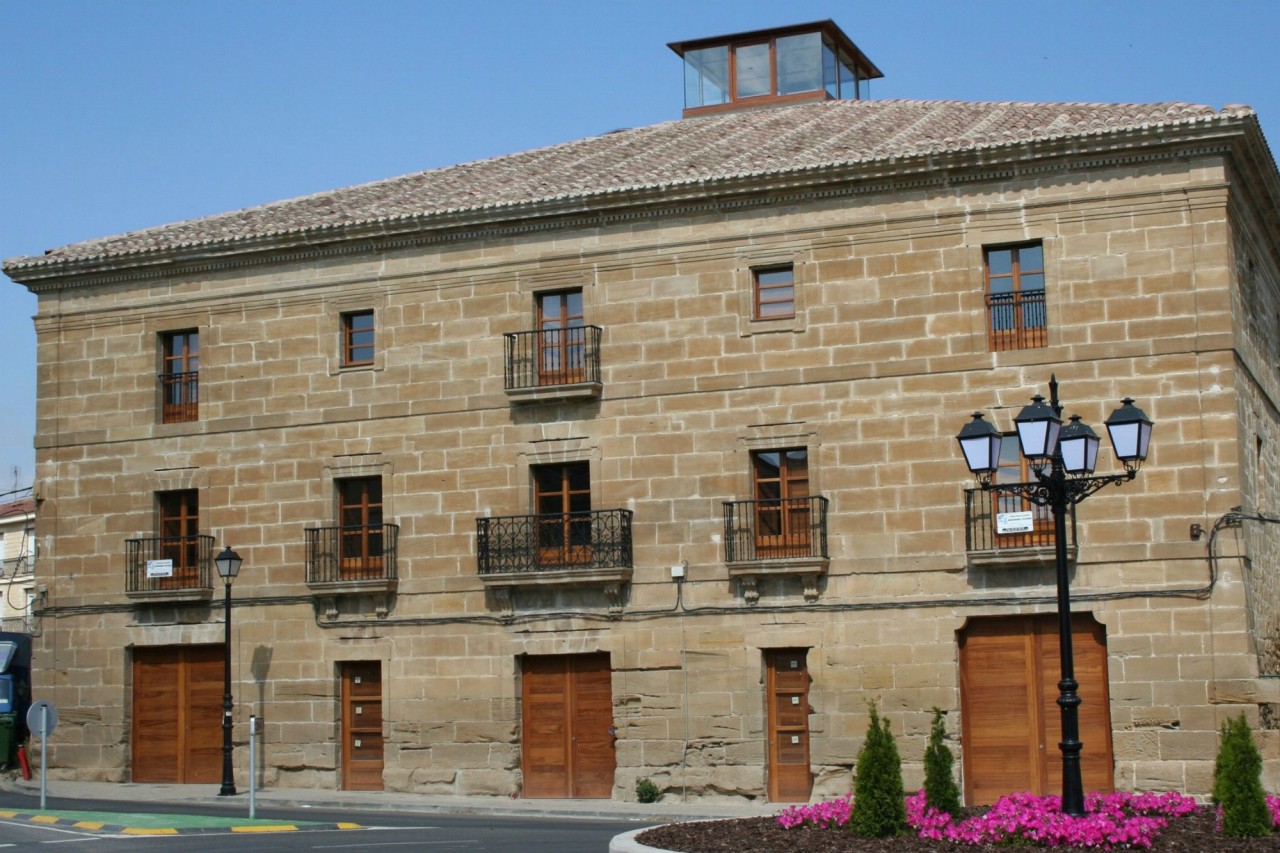
The Finca Allende estate in Briones. Credit: Copyright 2015 Finca Allende
A modern style from Finca Allende, aged in French oak. Autumnal briar and hedgerow nose with hints of herb, followed by a midpalate loaded with fine dark fruit; smoke; leather; and rich, old cigar box. Luscious, elegant, complex. About $26.
Bodegas Roda Sela 2011
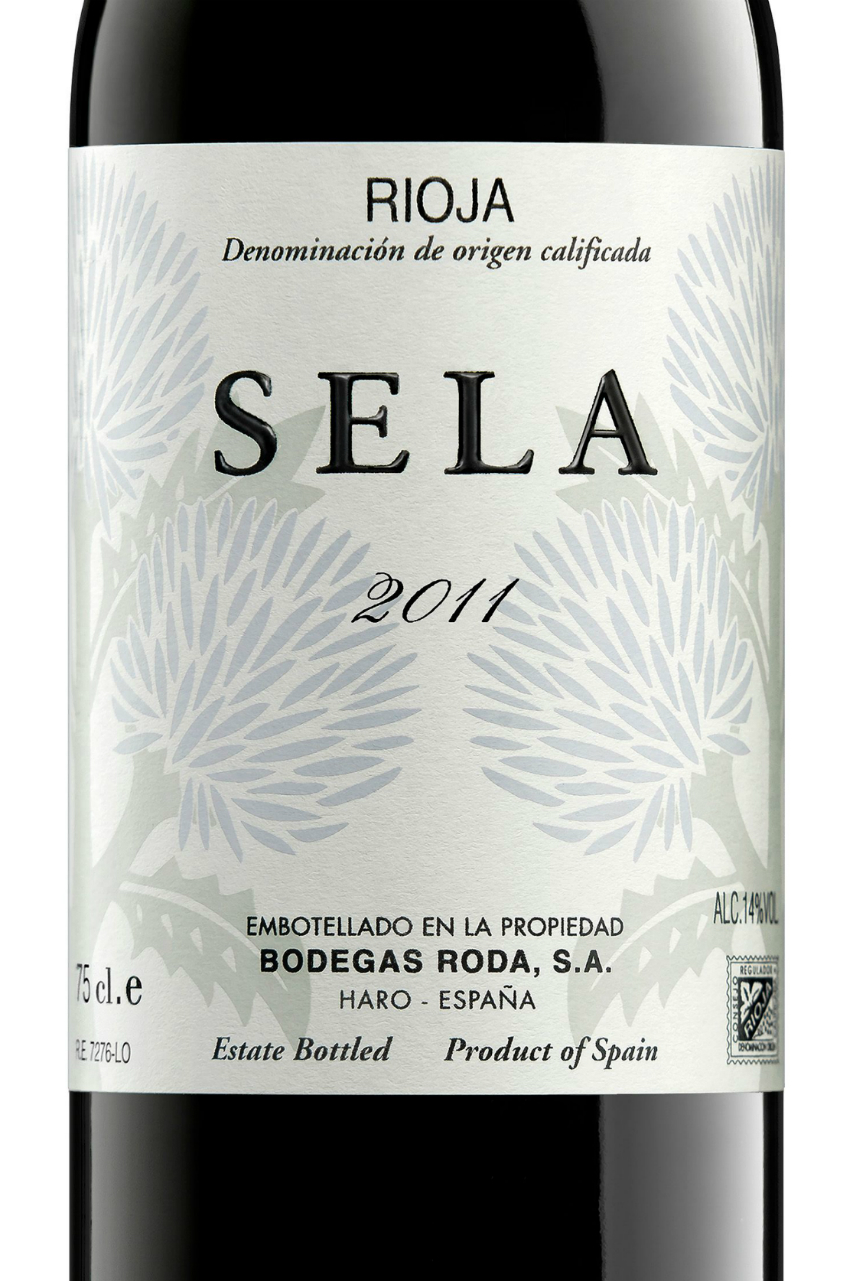
Established in 1987, Roda produces, from its stunning winery in Haro, some of Rioja’s most compelling reds. Don’t miss the magnificent Cirsion, but start with the entry-level Sela, with its voluptuous nose of violet-scented black fruit, velvety tannins and palate of dark cherry and plum. Modern Rioja at its best. About $33.
More from Zester Daily:
» Rioja on the cusp
» A Spanish spring value
» Spain’s Montrasell wine seduces under a French alias
» Trouble with Grenache
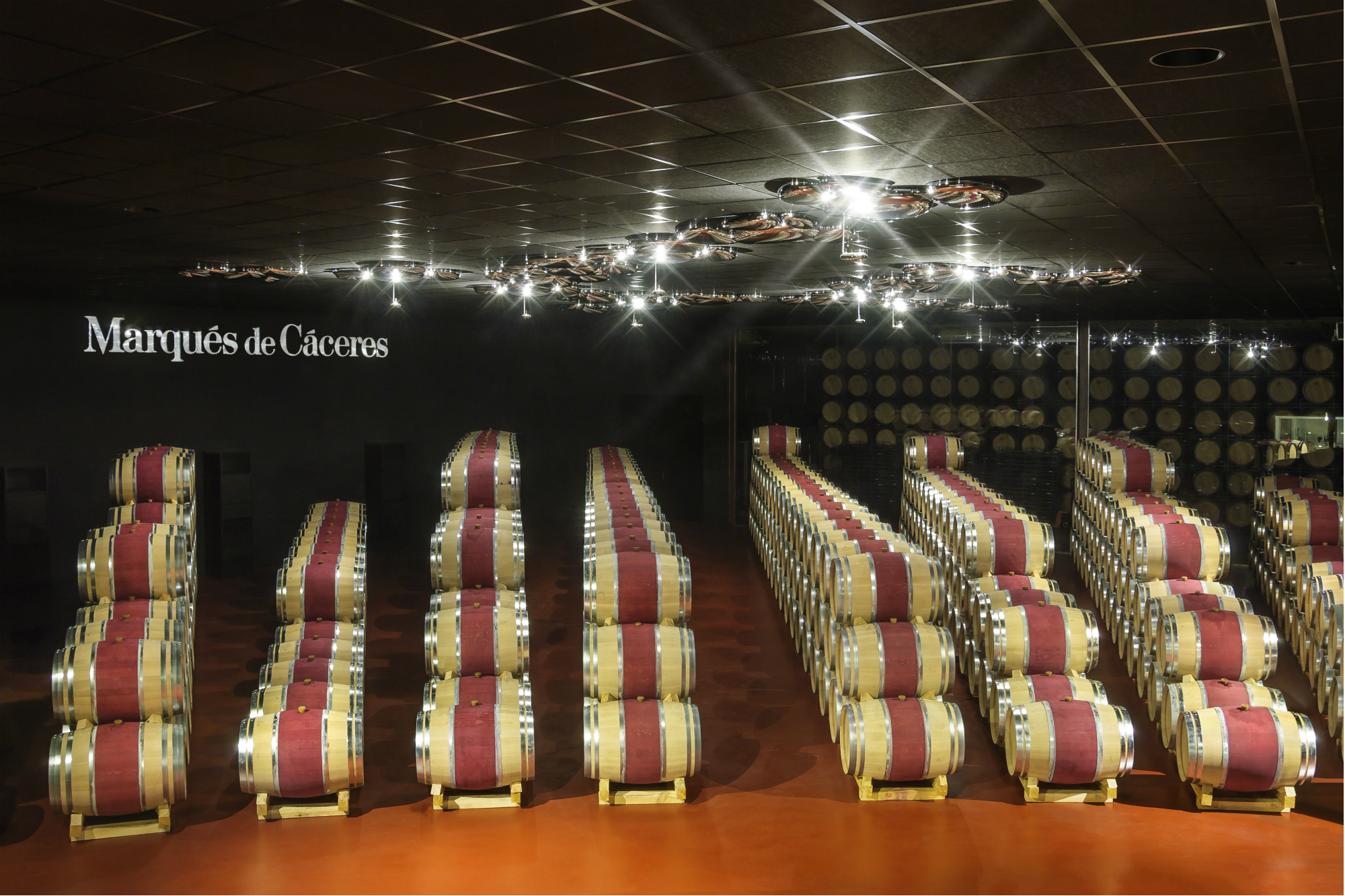
Main photo: The barrel cellar at Marqués de Cáceres. Credit: Copyright 2015 Marqués de Cáceres
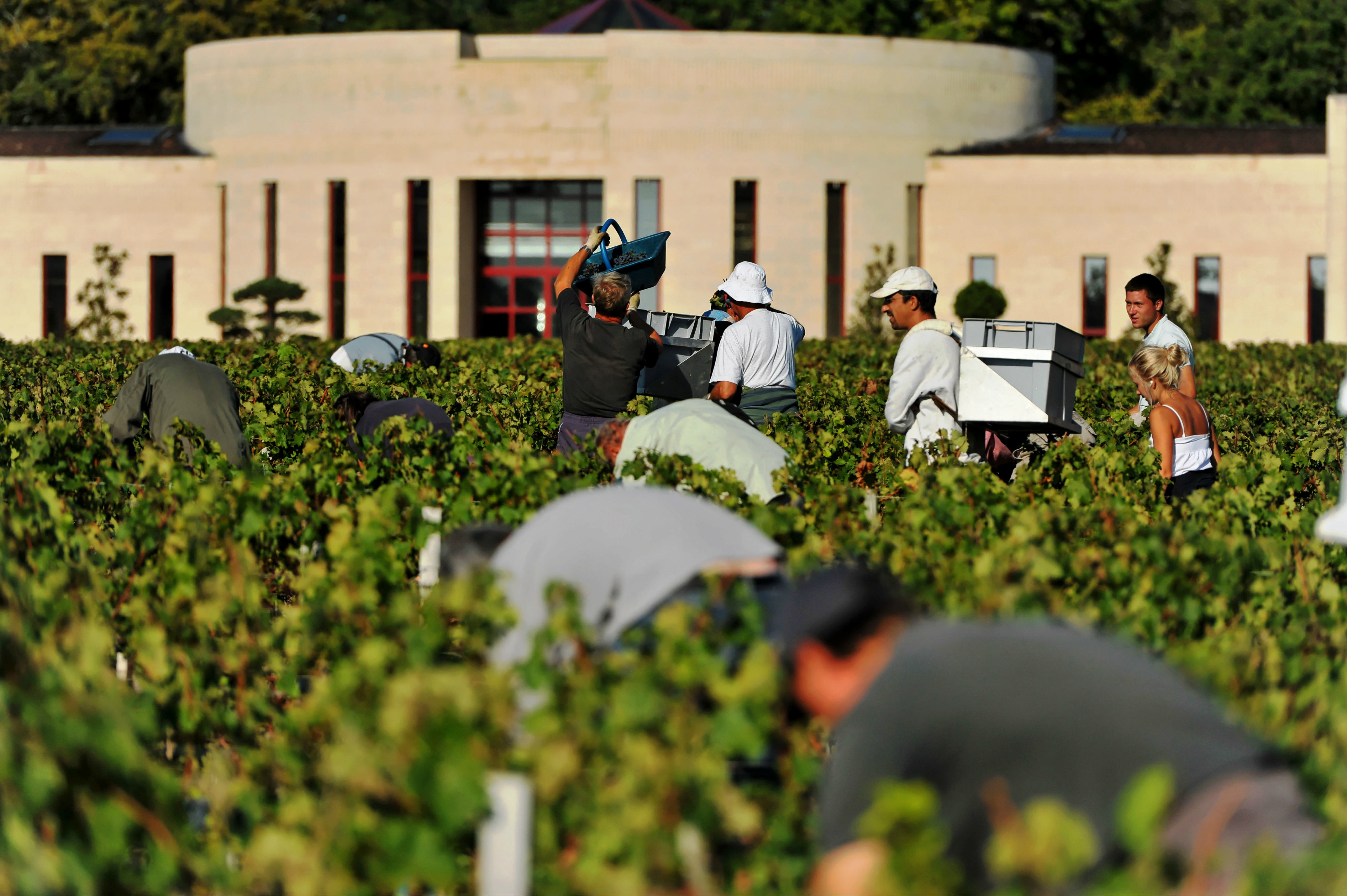
The 2005 vintage in Bordeaux was superlative in so many ways. The weather was a winemaker’s dream: a benign spring gave way to a hot — but not too hot — summer, with hardly any rain. What fell, fell at the right time. That led into an autumn so deliciously mellow that vignerons could amble into the vineyards and pick perfectly ripe grapes whenever they chose. The grapes were small, intensely flavored and with thick skins.
Last month, a decade past that dream season, the 2005s shone at the “Ten Years On” tasting at the London wine merchant Bordeaux Index.
From the first tastings in spring 2006, everyone loved it. Consider what they said then:
Robert Parker, the formidable founder of The Wine Advocate and its influential 100-point wine rating system, thought it “brilliant … one of the most singular years of the past five decades.” The British heavyweights – wine critic and journalist Jancis Robinson, MW, and Decanter magazine consultant editor Steven Spurrier – were bowled over. Simon Staples, the epicurean Bordeaux director for London-based wine merchant Berry Bros and Rudd, said he was “speechless.”
“It was a truly extraordinary year,” veteran Bordeaux wine merchant Bill Blatch said in the report he publishes after every vintage. “Easy to manage, without complications, and the almost permanently fine weather ended up by providing a wine of most unusual concentration.”
Now, as then, 2005 was a very good year
In January, at the Ten Years On tasting, I found that the 2005s were simply delightful, with succulent, rich, seductive fruit, and acidity that dances on your tongue. The wines are pure, but complex. A cornucopia of blackberry, cassis and red fruit is tempered with minerality and spiciness, then high notes of parma violet and florality.
It’s as much a pleasure to describe them as taste them. Every wine of note is underpinned by powerful tannins that give it a structure that will ensure long aging — in some cases, for decades.
There are some clumsy wines — the Merlot in Saint-Émilion was very ripe, with high alcohol and big tannins — and some wines have developed an oaky dryness that won’t sweeten. But they are few and far between.
Unless you’re very unlucky, if you pick a 2005 off the shelf, you’re unlikely to be disappointed.
A pricey caveat
The only fly in the ointment is price. Bordeaux knew it had something good, and the first generation of Asian millionaires were beginning to get a taste for fine wine, very expensive fine wine. The 2005 was the first Bordeaux vintage that launched its wines into the stratosphere of luxury goods. The top wines are very expensive. At the very top, Petrus is more than $4,000 a bottle, and the dozen top properties — Lafite, Mouton and their fellow first growths, then Cheval Blanc, Ausone and a few others — are never less than $1,500.
But that needn’t concern us. The joy of a really wonderful vintage is its consistency.
There’s an old saying: “In a great vintage, search out the lesser estates, and in a lesser vintage go for the great estates.” It’s never been truer than in 2005. You don’t need to spend three months’ wages on the great chateaux. At every level, from $30 Cru Bourgeois to the humbler Medoc fifth growths, there are some beautiful wines to be found.
If I had to choose one region in a vintage studded with gems, I’d say the wines of the little Médoc commune of Saint-Julien are most consistently lovely. Below are my top picks from 2005, for the priciest and for the best value from Bordeaux:
Two top-10 lists from Bordeaux 2005
Prices are the average per bottle, excluding tax. All wines are available widely at retail.
Top 10, Money No Object
1. Château Petrus, Pomerol, $4,986
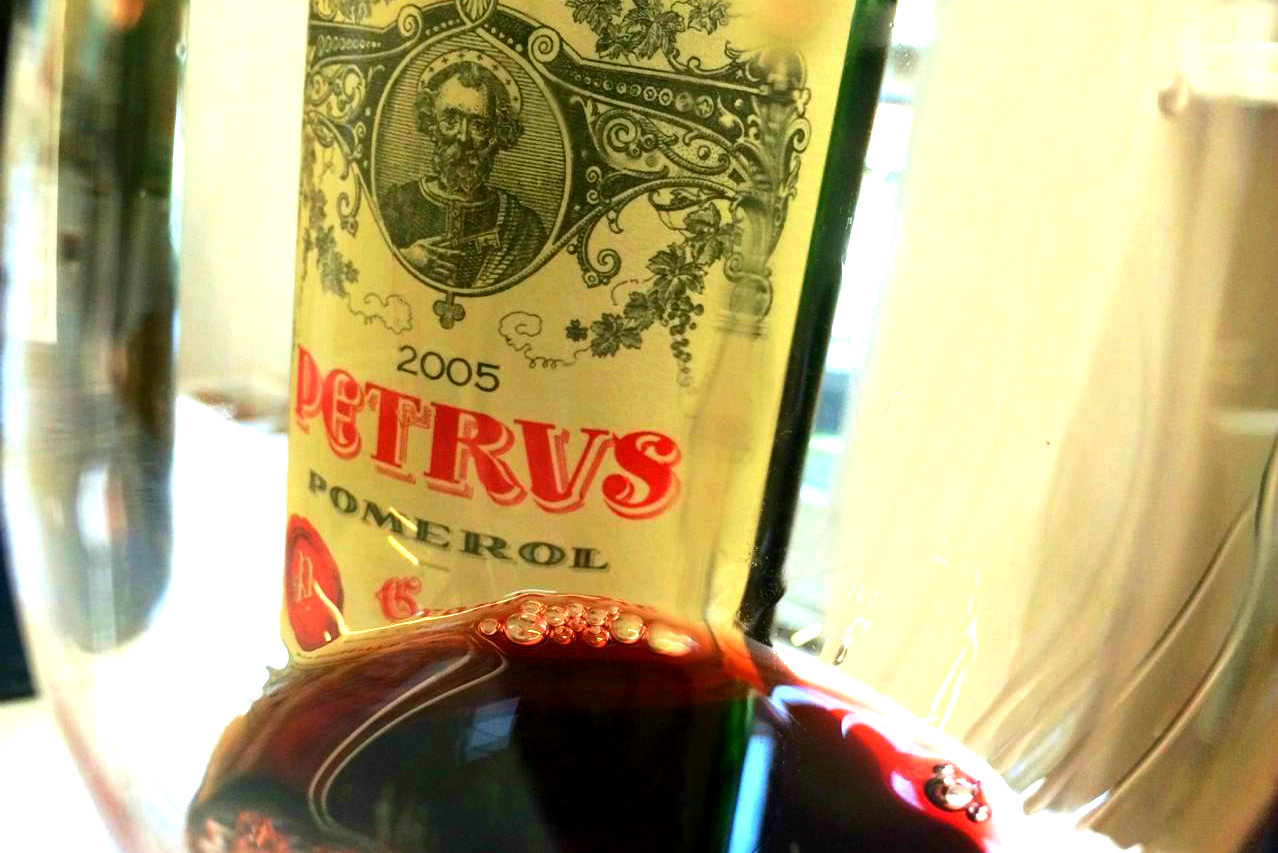
The Château Petrus 2005 is only for the deep of pocket at nearly $5,000 a bottle. Credit: Adam Lechmere
Discreet smoky nose leading to powerful blackberry, black cherry and minty, spicy tar on the palate. Dry length releasing fresh gouts of juice. Drink 2020-2040+
2. Château Lafite Rothschild, 1st Growth, Pauillac, $1,461
The bright, lifted blackcurrant and blackberry fruit is sweet and fresh, the tannins ripe, the acidity mouthwatering, the whole complex, charming, assured. A triumph. Drink 2020 to 2040+
3. Petit Mouton, Pauillac $233
Plum skin aroma, then palate has multiple strands of juiciness through the tannins, intense and vibrant sour mash plum. Minerality and power. Drink 2018 to 2030+
4. Château Pontet Canet, 5th Growth, Pauillac, $188
Sweet and savory, bacon with plum skins, very fresh and open, discreet powerful tannins. Linear, classic, confident. Drink 2018 to 2040+
5. Château Grand-Puy-Lacoste, 5th Growth, Pauillac, $135
Savory nose with minerality, pencil lead, very linear and precise, very fresh, essence of blackberry and damson, fine sophisticated length. Drink 2018 to 2035+
6. Château Léoville Las Cases, 2nd Growth, Saint-Julien, $397
Fresh, savory, bacony nose, tannins holding blackberry, cassis and coffee flavors in an iron grip; restrained, fruit releases juice, fills the palate. Very fine. Drink 2018 to 2040+
7. Château Palmer, 3rd Growth, Margaux, $383
Very dark in hue and viscous. Discreet perfumed violet nose, incredibly subtle but exotic, lovely weight, constant interplay of dryness, juice, tannins and acidity. Drink 2017 to 2040+
8. Château La Lagune, 3rd Growth, Ludon, $102
Lovely complex savory nose, bramble and truffle, crushed coffee beans, superb opulent sweetness. Palate fresh and perfumed with secondary flavors of dusty rose petals and elegant decay. Tannins dry and dissolving to juice. Drink 2017 to 2035+
9. Château-Figeac, Saint-Émilion 1er Grand Cru Classé, $172
Restrained sour black fruit, fresh-picked plum and hints of sloe. Closed, brooding and tannic. A keeper. Drink 2020 to 2040+
10. Château Calon-Segur, 3rd Growth, Saint-Estèphe, $123
Nose very restrained, closed, palate with (at first) dry, austere tannins. Then classic briar fruit, tannins become silky. Very pure, arrow-straight acidity shows how this will mature. Masterful finesse. Drink 2018 to 2040+
Top 10 best value
1. Château Poujeaux, Cru Bourgeois, Moulis, $53
Violet perfume and sweet briar. On the palate damson and cedar, sour plum with cloves. Mouthwatering acidity, soft length. Drink 2015 to 2025+
2. Château du Tertre, 5th Growth, Margaux, $79
Sweet sugared damson and plum with perfume on nose. Palate very open and fresh with lovely tobacco and truffle, tannins releasing great gouts of juice. Drink 2015 to 2025+
3. Les Pagodes de Cos, Saint-Estèphe, $62
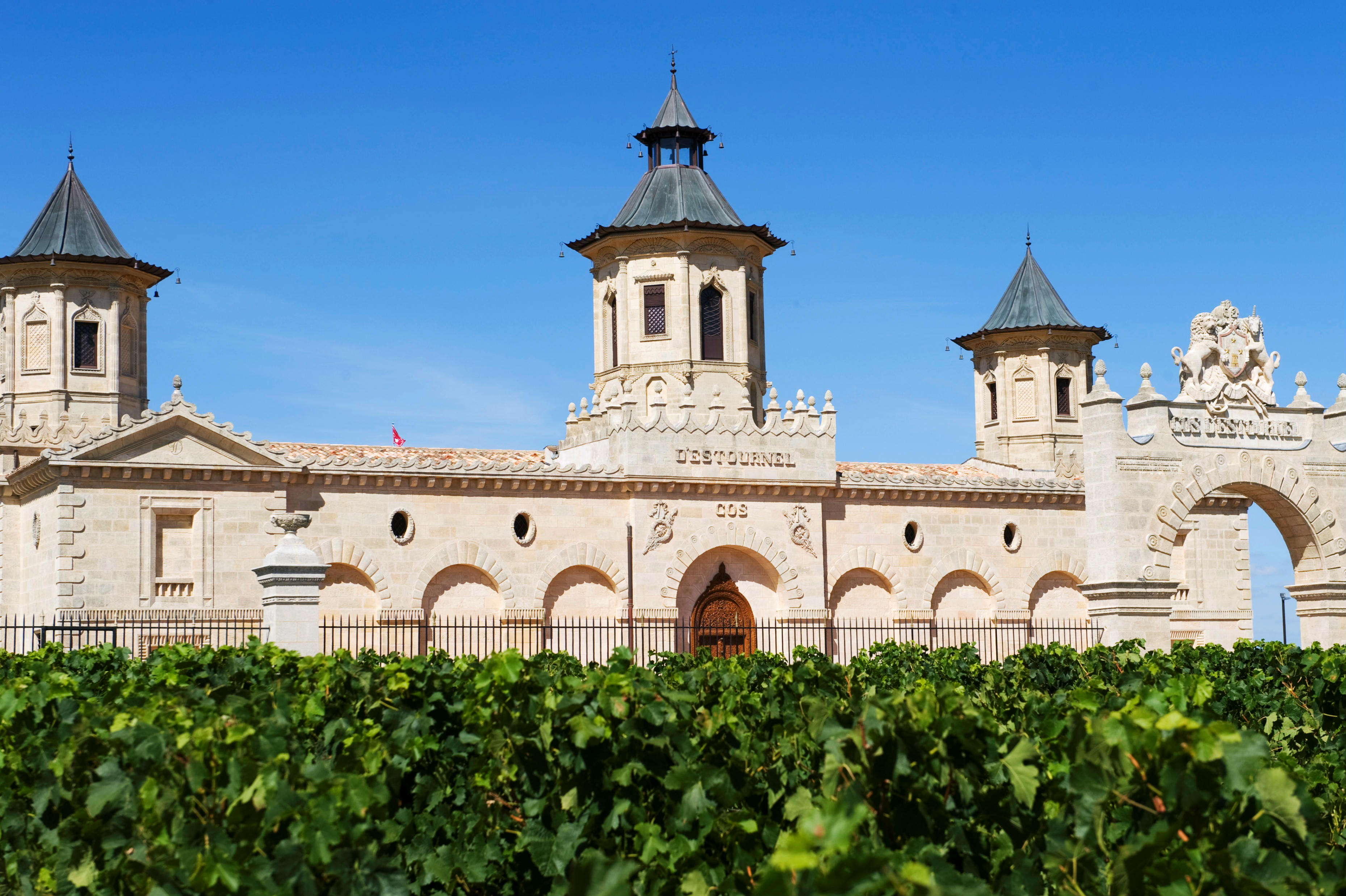
The Château Cos d’Estournel. Credit: Credit: Cos d’Estournel
Cos d’Estournel’s second wine is often more restrained than its big brother. Lovely meaty peppery nose, hint of violet perfume on palate with herb, restrained. Drink 2018 to 2040+
4. Château Gloria, Cru Bourgeois, Saint-Julien, $70
Bacon savory nose with hint of old velvet tapestry. Confident, juicy uncomplicated weight, plum and damson fruit , very nice length, good balance. Drink 2015 to 2025+
5. Château Talbot, 4th Growth, Saint-Julien, $79
Rich mineral, savory nose with great charm. Defined blackberry and coffee, discreet, old-fashioned like the chateau itself, tannins dry but dissolving to sweetness. Drink 2015 to 2030
6. Château Les-Ormes-de-Pez, Cru Bourgeois, Saint-Estèphe, $59
Fresh peppery notes on nose – very fine open juicy acid on palate, fresh, uncomplicated. Drink 2015 to 2025+
7. Château Malartic-Lagravière, Cru Classé Pessac-Léognan, $82
Very savory beef-stock nose with ripe plum. Tannins release juice and sour-sweet plum and damson flavors. Fresh, defined, not opulent, but fine. Drink 2015 to 2025+
8. Château Langoa-Barton, 3rd Growth, Saint-Julien, $85
Fresh sugared blackberry, savory mineral undertones, open and fresh with such suave tannins and juice on the finish. Very fine length. Drink 2015 to 2025+
9. Château Potensac, Cru Bourgeois Médoc, $47
Perfumed briar and tobacco nose. Fine, fresh, mouth-watering acidity and bright cassis. Grainy grip to tannins, juicy and opulent. Drink 2015 to 2020+
10. Domaine de Chevalier, Cru Classé Pessac-Léognan, $105
Rich creamy nose, blackberry compote, truffle, licorice. Palate develops fine damson, violet perfume and fresh acidity. Delicate tannins with dry grip. Incredible quality for the price. Drink 2017 to 2030+
Main photo: Harvesting grapes at Domaine de Chevalier, an estate in the Bordeaux appellation of Pessac-Léognan, just south of the city of Bordeaux. Credit: Copyright Domaine de Chevalier
The way to make a small fortune in wine, they say, is to start with a large one. The phrase comes to mind as I taste the first vintage at London Cru, the eccentric, possibly uneconomic, but very serious urban winery in southwest London: the first in the UK capital.
London Cru follows a pattern of urban wineries such as 8th Estate in Hong Kong and New York’s City Winery, buying in grapes and vinifying them in the city. It is the brainchild of the keen young team that surrounds Cliff Roberson, a 74-year-old wine merchant of considerable renown.
More from Zester Daily:
» A supply-side boost for English sparkling wine
» 5 Sauvignon Blancs that will change minds
He started the importer Buckingham Vintners in 1974, and in 1991 opened his flagship shop, Roberson Wine, in London’s Kensington district. By 2004, he’d sold all of his shares in Buckingham (by then one of the UK’s biggest wine companies, selling 40 million bottles a year) to the European wine group Schenk, to focus on the retail side of the business.
A couple of years ago, Roberson “got itchy” as he put it. When his right-hand man, Adam Green, suggested they set up a winery, he was interested.
“Ninety-nine out of a hundred businessmen would have run a mile,” Green says. “Cliff is that one in a hundred who saw the possibilities.”
From warehouse to urban winery
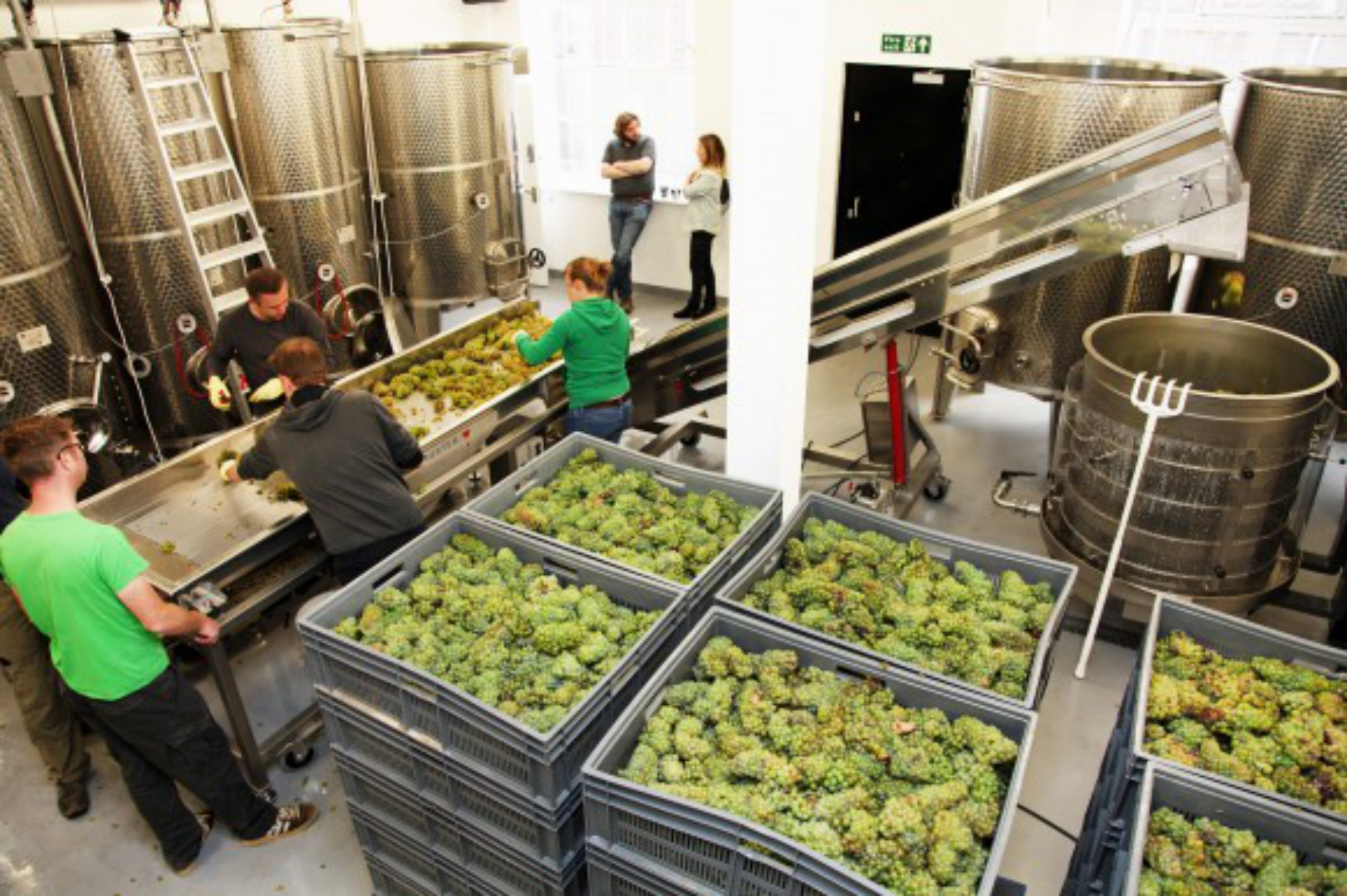
They enlisted as a partner an itinerant entrepreneur, Will Tomlinson. With a million-pound start-up fund, they equipped a former gin distillery in Fulham that served as Roberson’s warehouse with five open-topped stainless steel fermenters and a barrel cellar. The capacity: 2,500 cases, They hired Australian winemaker Gavin Monery, whose résumé includes premium wineries such as Cullen and Cape Mentelle in Margaret River, Chave in Hermitage, and Remoissenet and Alex Gambal in Burgundy.
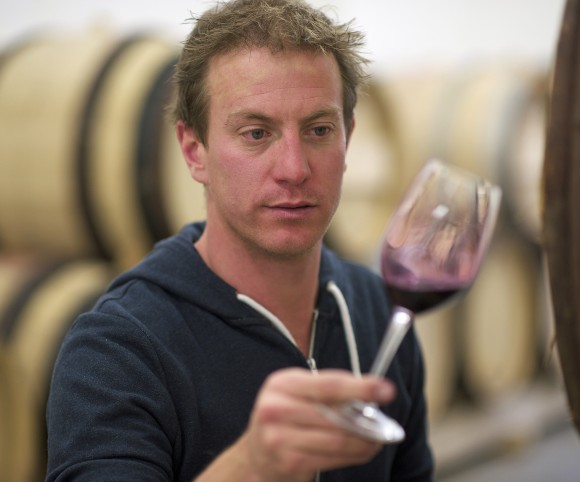
Australian winemaker Gavin Monery eyes the latest vintage at London Cru. Credit: London Cru
Roberson, a company with annual wine sales of 10 to 12 million pounds through retail and the restaurant trade, and with a fine wine broking arm, has access to premium producers in every wine region of the world.
“Most of the guys we are buying grapes from, we import their wines anyway,” Monery says.
So he can control harvest dates (they pick early for freshness), and quality. To ensure they get exactly what they want, they pay handsomely — more than double the going rate, in some cases.
The first vintage, the 2013, consists of four wines: a Chardonnay, a Cabernet Sauvignon and a Syrah from Roussillon, and a Barbera from Piedmont. Monery has sourced three more for 2014, a Syrah and a Garnacha from Calatayud in northeastern Spain, and a white English grape Bacchus, from Sandhurst Vineyards in Kent. Labels are minimalist: the wines are called SW6 (London Cru’s postcode) White Wine No. 1, Red Wine No. 1, and so forth. For reasons that are difficult to fathom, the UK’s Byzantine food laws forbid the mention of vintage or grape variety on the label.
A long journey by refrigerated truck
When the grapes are picked, they are transferred immediately to refrigerated trucks, which then make the 36-hour journey through mainland Europe, over the English Channel and into the winery. The trucks are key to the operation, Monery says. A fleet of such vehicles buzzing back and forth through Europe can’t come cheap. Is this a viable business model?

Renowned London wine importer and retailer Cliff Roberson has joined the production side of the business by launching London Cru, an urban winery in the UK capital. Credit: London Cru
“Well,” Green says with a smile, “it’s not the safest or the most rational business plan you could come up with, but, equally, it’s one that we all thought was interesting. We are thoroughly aiming to offer our investors a good return, and they see the aesthetic pleasure of being involved, and of bringing something genuinely new to London.”
Indeed, it is aesthetically pleasing to be in a fully functioning winery — complete with pungent aromas of oak and fermentation — in the middle of London. And the wines themselves? I don’t know what I was expecting from French and Italian varietals vinified in Fulham by an Australian, but I found them fresh, bright, charming, and loaded with varietal character.
It’s a pity that the 2013 is made in such tiny quantities — far fewer than 1,000 cases in all, and they are down to their last bottles. There’s a small fortune to be made here.
London Cru wines
All about $24 (£15) , available from the winery’s website.
SW6 White Wine 1 – Chardonnay: Bright, fresh, rather exotic nose with nice creamy roundness, this mitigated on the palate by brisk and precise acidity cutting through crunchy apple and some high tropical notes. Charming.
SW6 Red Wine 1 – Syrah: Picked early at 12 degrees alcohol. Delicate white pepper nose followed by a savory palate with dark fruit topped with ripe black cherry. Soft tannins with grip dissolve into lovely mouth-watering juice. Excellent.
SW6 Red Wine 2 – Barbera: Ruby red hue, bitter cherries on the nose, dancing acidity, tannins that are dry, even dusty, quickly releasing gouts of mouth-watering juice leaving a memory of ripe fallen damsons. Fresh, wild and utterly beguiling.
SW6 Red Wine 3 – Cabernet Sauvignon: Aromas of leaf and nettle that swirl out of the glass like a genie from a lamp. Classic blackcurrant leaf palate, tannins with grip and heft, scent of menthol alongside the hedgerow fruit, lots of juice on the finish. The best of a very strong quartet of wines. Bravo.
Main photo: In London Cru’s urban winery, workers led by winemaker Gavin Monery prepare Chardonnay grapes for pressing. Credit: Ian Sterling/London Cru
The blame for the popularization of ABC — Anything but Chardonnay — can be laid at the door of former British Prime Minister John Major, who said in the late 1990s, “I’m afraid I’m an ABC man.” That was the decade of excess, when Chardonnays were sweet, ripe, creamy, larded with oak and with a texture so thick you could scoop it out with a spoon. With the PM pitching in to the debate, suddenly everyone realized they were sick of that style.
It didn’t dent sales. Any big distributor will tell you there have been blips in Chardonnay sales, but none serious. These pronouncements are often overhyped by the wine media’s desire for a story, and the fact that critics’ boredom thresholds are lower than the public’s.
More from Zester Daily:
» New vanguard in Sauvignon Blancs, Malbecs a surprise
» A vibrant Sauvignon Blanc from Gainey Vineyard
» 2011 Wrath Ex Anima Sauvignon Blanc is a classic exception
» Wine and asparagus can be good friends with the right pairings
Sauvignon Blanc has always had its detractors. The former Slate columnist Michael Steinberger, for example, mocked its “chirpy little wines wholly devoid of complexity and depth … a limp, lemony liquid that grows progressively more boring with each sip.”
Articles with titles like “10 alternatives to Sauvignon Blanc” are more and more common. How do we “wean ourselves” off the grape, asked Victoria Moore in the Daily Telegraph.
And it’s not just the columnists. “I’ll sell people a crisp and fresh white from somewhere else, like a Verdejo, or a dry Riesling,” said John Jackson of Theatre of Wine, independent merchants in Greenwich, England, with a loyal, local clientele. Jackson saw Sauvignon in the same position as Pinot Grigio a few years ago. “People are starting to move on, though they’re not as vocal about it as they were with heavily-oaked Chardonnay.”
Sauvignon Blanc’s momentum
There’s no evidence to suggest Sauvignon is in danger of even the smallest blip in sales. “It’s as strong as it ever was,” reported Paul Brown, who runs the on-trade side of major United Kingdom distributor Bibendum. At the Wine Society, a multi-award-winning mail-order giant, head buyer Tim Sykes said, “Sauvignon sales are growing apace, up over 15% year on year in volume terms, and they represent around 25% of our white sales.”
According to Bibendum, the status of Sauvignon Blanc is not only healthy, it’s growing. “Everyone thought it was going to fall off a bit, but it’s still incredibly strong. It’s even chipping into Chardonnay,” Brown says. “The trade wants people to try something else, but people still love it.” And what they want is the big style, “flavors that you can smell five yards from the glass.”
That style, in the wrong hands, can be tedious. The phrase “cat’s pee on a gooseberry bush,” memorably coined by U.K. writer Anthony Hanson, is beginning to seem pretty dated. That is why it was so refreshing to taste a range of Sauvignons whose flavors, though unmistakable, were in a lower key than one might expect, more complex and more varied.
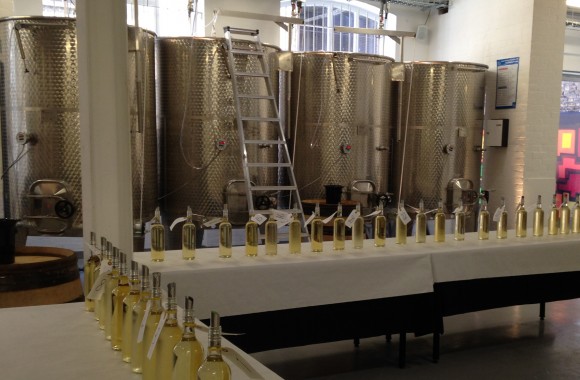
Sauvignon Blanc tasting at London Cru. Credit: Richard Bampfield
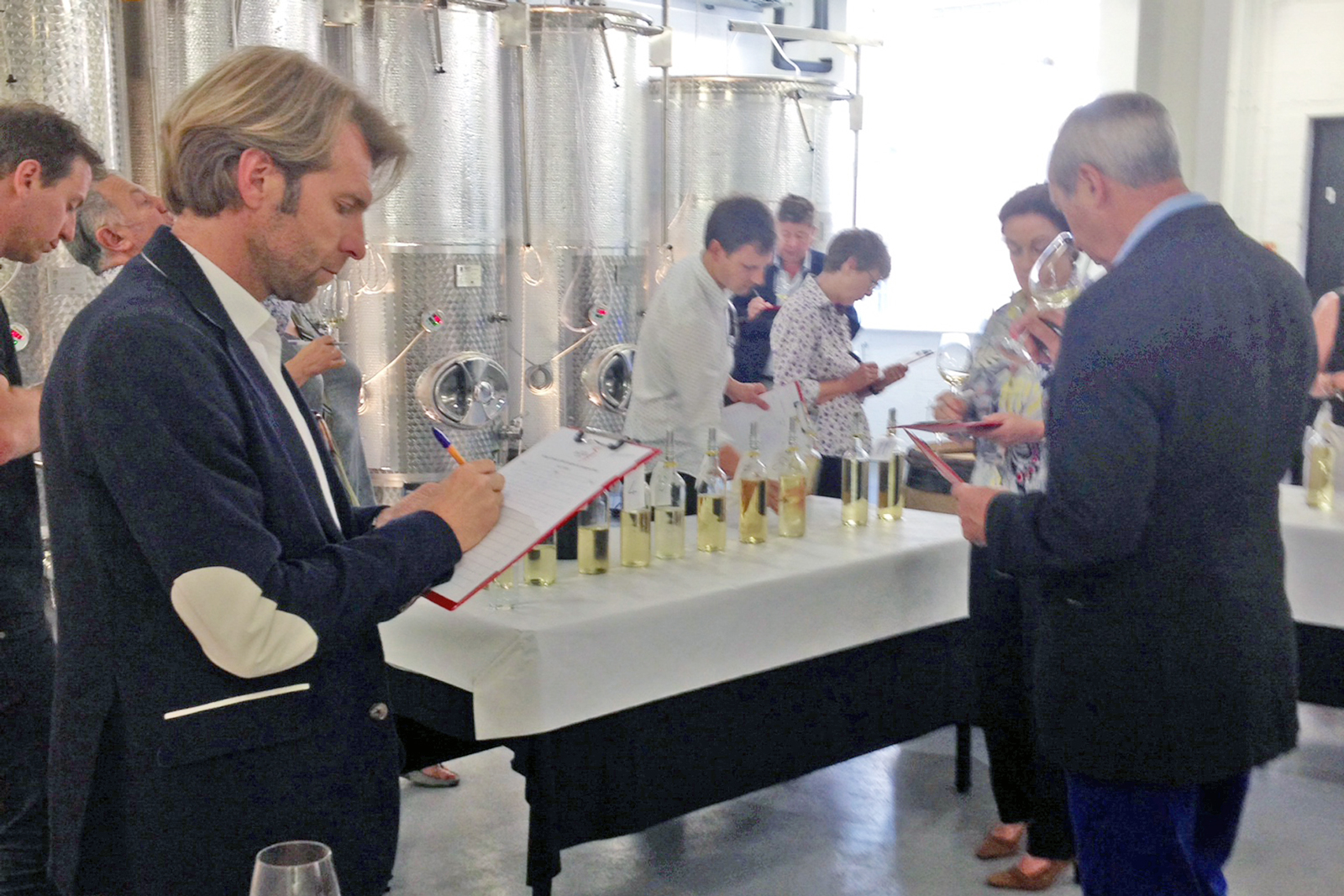
The tasting (in July at London Cru, the capital’s first urban winery) comprised 32 wines from Australia, New Zealand, California, Chile, France (Loire and Bordeaux), South Africa and Turkey. They were tasted double blind, in identical clear glass bottles. All we knew was that it was Sauvignon, with or without Semillon in the blend.
Jean-Christophe Mau of Chateau Brown in the wine-growing area Pessac-Leognan organized it, including his own wine in the lineup. (Pleasingly, Chateau Brown won top marks from the majority of critics there.)
All the wines had oak treatment of some kind. Some were barrel-fermented, some spent 10 months in new French oak barriques, others far less time, 50% second-use barrels, others eight month medium toast, others 15 months in old oak. … With oak, the variables are infinite.
Looking down the list, a common factor was restraint. Where new oak is used, it’s sparingly, either in larger barrels, or for a small percentage of the blend.
“The trick is in the toasting,” Mau says. “We use 50% new French oak and a very light toasting, for eight months. You get less classic gooseberry flavors, if you can find the balance between acidity and flavor.”
The unexpected
The first surprise was the difficulty in placing the wines. I didn’t expect such freshness and restraint in the American wines, for example, although the New Zealanders showed their classic colors: gooseberry, robust sweaty aromas, nettle and grass. Surprising also was the complexity on show: judicious use of oak tempers the green pepper or asparagus flavors that people can find offensive, and bring more of what U.K. critic Sarah Ahmed calls “the Bordeaux style, more lemon oil notes — it’s a striking feature.”
“Limp and lemony … devoid of complexity”? Not at all. The best of these wines have bracing acidity and fine complex fruit. I noted the following flavors: apple, pear, sour apple, sugared pear skin, honey, apple custard, fresh hay, salinity, river mud, lemon, lemongrass, apricot, sweat, earth.
I used the descriptor “gooseberry” three times, “cat’s pee” not at all.
* * *
Top 5 Sauvignon Blancs
Prices are approximate; oaking regimes as supplied by winery
Larry Cherubino ‘Cherubino’ 2013, Pemberton, Western Australia
100% Sauvignon Blanc
100% new, 3 months aging
Delicate gooseberry and hint of oak on the nose. Sour apple and pearskin palate leading to tropical notes — sweet stone fruit. Long and elegant, very fine
Alcohol: 12.5% Price: $44 (£25.99)
Château Talbot Caillou Blanc 2012, Bordeaux blanc, France
74% Sauvignon 26% Semillon
35% new oak barriques, 35% 1 year old, 30% 3rd fill for 8 months
Unexpressive nose but quickly a lovely interesting palate with honey, freshness, salinity, good ripe acidity, mouthwatering sweet pear and peach and fine, sophisticated weight
Alcohol: 14% Price: $27-$30 (£15)
Château Brown 2012, Pessac-Léognan, Bordeaux, France
64% Sauvignon 36% Semillon
8 months in medium toast barriques, 50% new, 50% 2nd fill.
Really fresh impression of intense chalky acidity, fine pear and apple (Granny Smith) with an almost tannic heft. The mid-palate is dry with promise of a dissolve to juice. Lovely, mouthwatering wine
Alcohol: 13.5% Price: $36 (£25)
Huia Sauvignon Blanc 2013, Wairau, Marlborough, New Zealand
100% Sauvignon Blanc
A portion was fermented in neutral French oak barrels.
Elegant refined nose with nettle and hint of green mown grass. The palate unmistakably New Zealand, with gooseberry, lime and more nettley, hedgerow flavors. Fine fresh acidity, fine weight
Alcohol: 14% Price: $15 to $20 (£13)
Yealands Winemakers Reserve 2013, Awatere, Marlborough, New Zealand
100% Sauvignon Blanc
30% fermented and aged in French oak barrels, 5% new
Classic sweaty nose with gooseberry, intense and powerful palate with dancing acidity. Lovely fresh, fearlessly classic Marlborough Sauvignon
Alcohol: 13.5% Price: $25 (£14.95)
For more tasting notes, visit Adam Lechmere’s blog.
Main photo: Jean-Christophe Mau of Chateau Brown, left foreground, at London Cru. Credit: Richard Bampfield
The evolution of English sparkling wine over the last decade has been remarkable. Ten years ago few outside what was a dynamic but very domestic cottage industry took it seriously. But with investment, huge improvements in technology and vineyard management, and — most important — a clutch of major awards, the best English sparkling is internationally recognized.
Nyetimber, which recently released its first single-vineyard cuvée, the $126 (75 pounds) Tillington, and Ridgeview, which beat Champagnes including Taittinger and Charles Heidsieck to Decanter’s International Sparkling Trophy in 2010, are just two of a clutch of English wines that are taken very seriously indeed.
More from Zester Daily:
» Sparkling wine rises to prominence in England
» Eight ways to savor Champagne
Changing misperceptions at Rathfinny
Driver, the owner of Rathfinny, a $16.8-million (10 million pounds) vineyard in Sussex, intends to go some way to meeting demand. With 160 acres (64 hectares) planted, and 250 acres (100 hectacres) more to come, it’s on course to be England’s biggest single estate. There’s a gravity-fed, purpose-built, million-bottle-capacity winery; guesthouses set among rolling fields of young vines (all planted since 2012); and a wastewater treatment plant, all the trappings of the modern, wealth-created winery. I was prepared to find the exorbitant dream of a rich man, complete with luxury hotel and manicured lawns.
How wrong I was. “That’s going to be the hostel over there,” said Georgia Mallinson, the events and hospitality manager, as she pointed to a red-roofed barn in the distance. Ah, the luxury guesthouse, though “hostel” seemed an odd way of describing it. “It’s going to be used for seasonal workers, and the rest of the time it’ll be for visitors, walkers, school groups.” How much will a room be? “Youth hostel prices,” she said.
Youth hostels are for those who like their accommodation cheap, cheerful and sparse. The handsome winery — its curving grass-covered roof echoing the buxom green slopes of the Sussex hills around it — was full of guests. Among them were Vince Cable, the U.K.’s business secretary, and David Dimbleby, host of the BBC’s flagship current affairs panel “Question Time.” In green Rathfinny polo shirts were vineyard manager Cameron Boucher — a New Zealander whose last job was in Hawke’s Bay, supplying grapes to the renowned Craggy Range among others — and winemaker Jonathan Médard, a Frenchman from Epernay, fresh from a stint in the United States and Australia that included such internationally recognized names as Napa’s Newton Vineyard and Margaret River’s Voyager Estate.
Cable is Mark and Sarah Driver’s local representative in Parliament (they live in Twickenham, in west London), and when, early on, they became mired in planning bureaucracy, they sought his advice. “The local council was very obstructive, so I intervened,” Cable told me, concisely. He stepped in, he said, because he believed in what the Drivers were doing.
Finding promise from ‘the depths of the recession’
“The groundwork was done in the depths of recession, and it required courage and imagination to stick with such a project,” he said, praising the couple for the jobs they are bringing to an area of Sussex, with its depressed coastal towns, that has “serious pockets” of unemployment. “This is a real creative, imaginative industry,” Cable said, “and it’s also a successful export industry.” Rathfinny lies in the same band of chalk that forms the Paris Basin, which runs up through Champagne and northern France to form the North and South Downs. Southern England is only two degrees latitude north of Champagne — the only difference between the regions is the summer nighttime temperature, which can be 10 degrees centigrade (18 F) colder here. But there’s a microclimate here, Driver says. A substantial ridge, Cradle Hill, protects Rathfinny from the cooling breezes from the sea, six miles to the south. “It can be minus 6 degrees centigrade (21 F) a few miles away, and plus 6 (43 F) here.”
First vintage due in 2017
There’s no wine yet. The first sparkling vintage, from Chardonnay, Pinot Noir and Pinot Meunier, is expected in 2017. Driver doesn’t expect to turn a profit until 2020. He intends to export at least 50%, mostly to the U.S., Japan and Hong Kong. The Drivers are popular, not only for the work they are bringing to the area, but for the money they have put into the restoration of the Gun Room, an 18th century building in the town. “The best thing that ever happened to Alfriston,” June Goodfield, an 87-year-old local historian said. “It’s so nice to have something that isn’t a golf course.”
They also have sponsored a wine research center at nearby Plumpton College, where Driver studied viticulture after making his millions in the world of high finance. The beautiful countryside shimmered in bright spring sun as the guests happily quaffed Plumpton’s non-vintage sparkling (a trifle too acidic for my taste). Cable said his goodbyes and stepped into his ministerial car — into the driving seat, that is, of a nondescript, somewhat grubby 10-year-old Vauxhall — and engaged the gears. It had been a peculiarly English day.
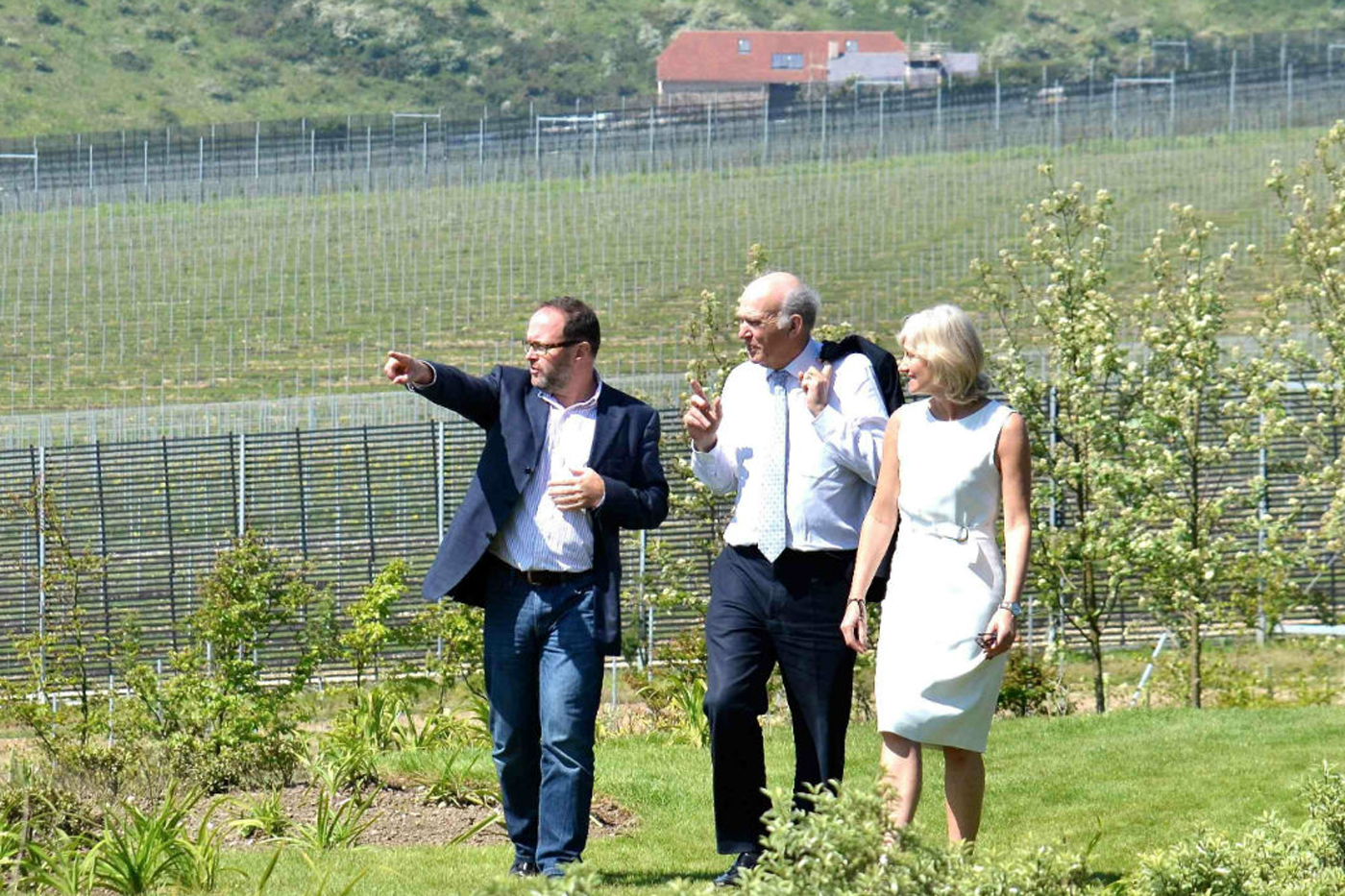
Main photo: Vince Cable, U.K. business secretary, center, gets a tour of the Rathfinny Estate from Mark and Sarah Driver. Credit: Adam Lechmere