
Articles by Author
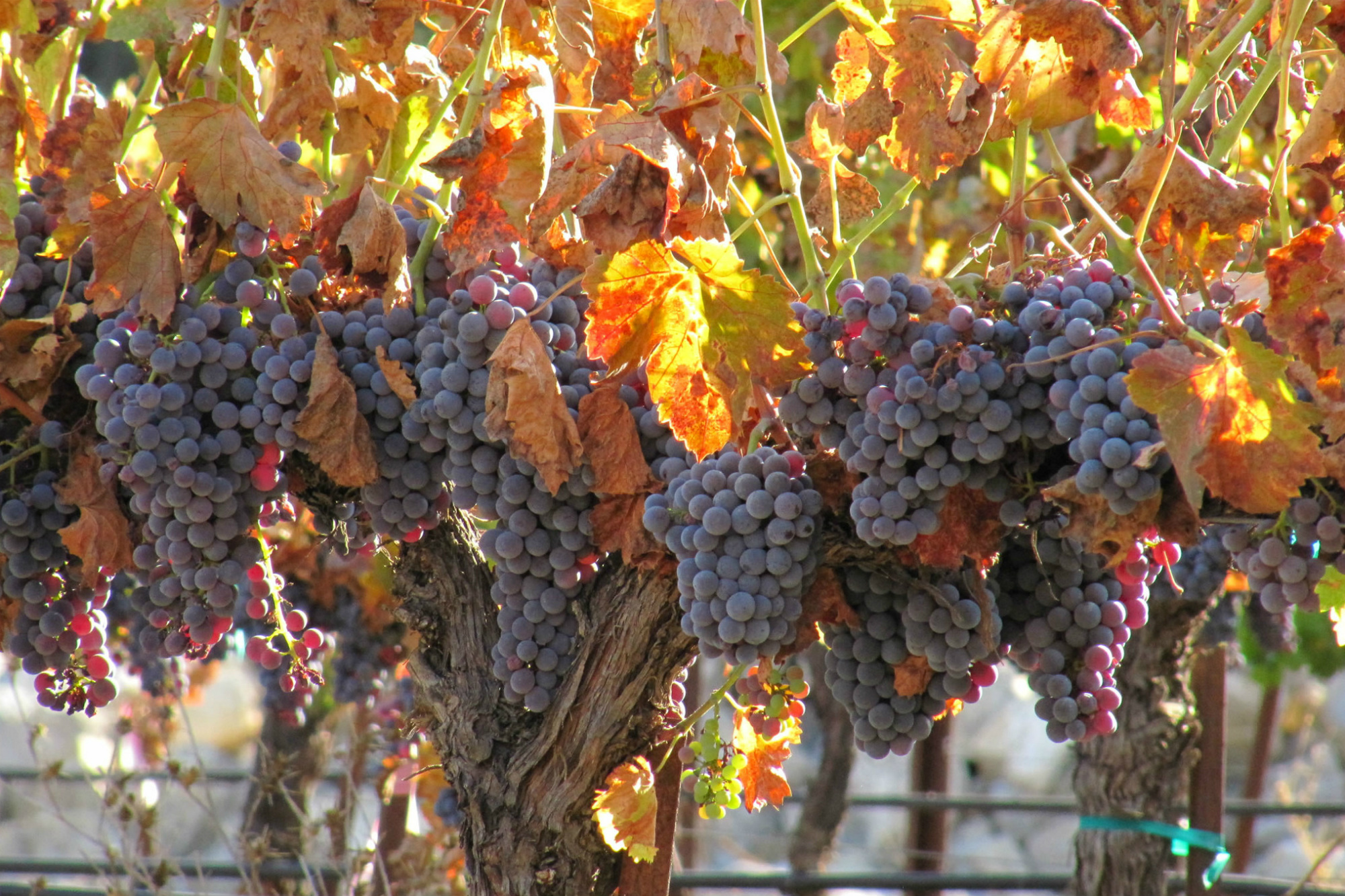
Grenache is in the midst of a renaissance in California, proving that decades of abuse can’t keep a great wine grape down. Two decades ago, it was being pulled out of California vineyards at an alarming rate. An increasingly sophisticated American wine-drinking public was giving up the simple, fruity jug wines into which most California Grenache had gone in favor of darker, more robust red grapes. Between 1994 and 2004, Grenache acreage declined from 12,107 to 7,762, and to 5,909 in 2014.
A tale of two Grenaches
Once in decline, Grenache is back in production and receiving much buzz. Credit: Copyright Bob Dickey
At the same time, Grenache has never received so much buzz. Writers with such diverse tastes as Wine Spectator’s James Laube (“Grenache … is proving to be one of the most exciting and enticing wines to emerge in California in the past decade, capable of stardom”) and the San Francisco Chronicle’s Jon Bonné (“The hopes for Grenache ascendent have come to pass”) have championed the grape in recent years. And wineries are betting on Grenache’s future. A search in Wine Spectator’s California ratings database for Grenache from the 1994 vintage returns 11 matches, just two of which were red wines labeled Grenache (an additional three were Grenache rosés, and the other six blends that included the grape). By 2004, the same search returns 30 matches, 13 of which were labeled Grenache. From 2012 (the most recent vintage for which most reds have been submitted for review), the search returns 130 matches, 45 of which were labeled Grenache.
More from Zester Daily:
» Inspiring Southern Rhone wines
» 12 ways to get out of your wine rut
Both the decline and the renaissance can be understood by looking at where Grenache was and is being planted. In 1994, just 256 acres, less than 2 percent of the total, was found in the coastal or mountain counties that make California’s best wines. The rest was found in the deep, fertile soils of the Central Valley, where it was a key component of the field blends that went unacknowledged into jug wines (think “Hearty Burgundy” and the like). As those wines lost popularity in the American market, so too did the demand for the simple, fruity juice that Grenache produced in its Central Valley home.
But all locations are not the same for California Grenache. Over the same two decades that overall acreage has declined by more than half, the acreage in the high-quality coastal and mountain areas increased 437 percent, to 1,376 acres. Even so, in premium areas, Grenache has become downright scarce, even though it is productive and easy to grow. In the Central Coast, Grenache is now one of the most in-demand grapes and commands a premium price, averaging $1,797 per ton in 2014, higher than Merlot ($1,056 a ton), Syrah ($1,357 a ton), Zinfandel ($1,407 a ton) and even Cabernet Sauvignon ($1,464 a ton).
The world’s grape
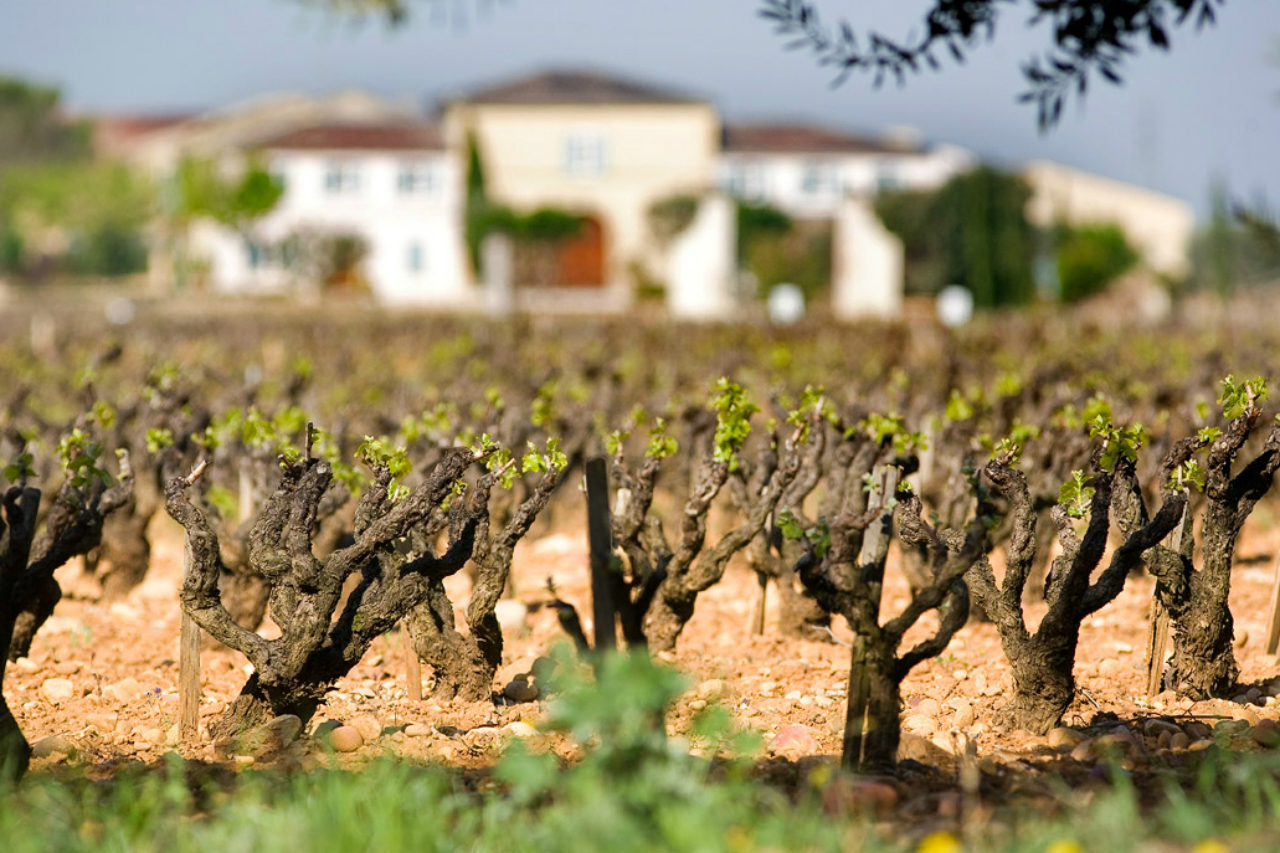
Grenache is grown at Chateau de Beaucastel, in France’s Rhone Valley, known for the wine. Credit: Copyright 2010 Chateau de Beaucastel
Grenache is long overdue for its California renaissance. Widely planted in France, Spain and Australia, Grenache is the world’s second-most-planted grape by acreage. It makes up some 60 percent of the acreage in the Rhone Valley and 70 percent of the acreage in Chateauneuf-du-Pape. Add in significant plantings in Spain and Australia, as well as the thousands of acres in California, and Grenache accounts for the second-greatest worldwide acreage of any wine grape.
It is little surprise why. Grenache is a vigorous grape, relatively easy to grow and productive. It produces fruit with both good sugars (producing full body) and good acids (maintaining freshness). It makes wines that are nearly always cheerful, full of fruit and refreshing. There’s a useful white-skinned variant (Grenache Blanc) and even a pink-skinned one (Grenache Gris).
Whether in a Cotes-du-Rhone or a Rioja, an Australian GSM or a Provence rosé, wines based on Grenache provide enormous pleasure for a typically reasonable price.
So what happened in California?
The bad old days
Tablas Creek is once again nurturing vines for Grenache. Credit: Copyright 2002 Tablas Creek Vineyard
Grenache in California has had a checkered history. Largely planted in the Central Valley and irrigated extensively because of its ability to produce enormous crops when given enough water, Grenache formed the (unacknowledged) core of many of the jug wines in the 1960s and 1970s. I’ve heard tales of Grenache producing as much as 20 tons per acre in parts of the Central Valley. Even as recently as 2012, California’s Grape Crush Pricing District 13 (including Fresno, Madera and Tulare Counties, which contains most of the Central Valley Grenache acreage) produced 50,029 tons of fruit from 3,640 acres of Grenache: an average of 13.7 tons per acre. For comparison, our highest-ever yield per acre from our vineyard was 3.6 tons per acre, in 2006.
As you might expect, grapes produced at those massive yields are rarely distinguished. And in the rare cases where it was bottled on its own in the 1960s and 1970s, “California Grenache” was simple, light in color, and often sweet. The grape had fallen decisively out of favor by the 1980s, when a new generation of producers, mostly in Napa, focused their attention, and the attention of the American market, on the classic grapes of Bordeaux. Acreage in California declined correspondingly, from a peak near 20,000 acres in the 1980s to 11,000 acres in 2000 and just 5,909 acres today.
And yet, in the reasons for Grenache’s decline lie the seeds of its rebirth.
Why now, for Grenache?
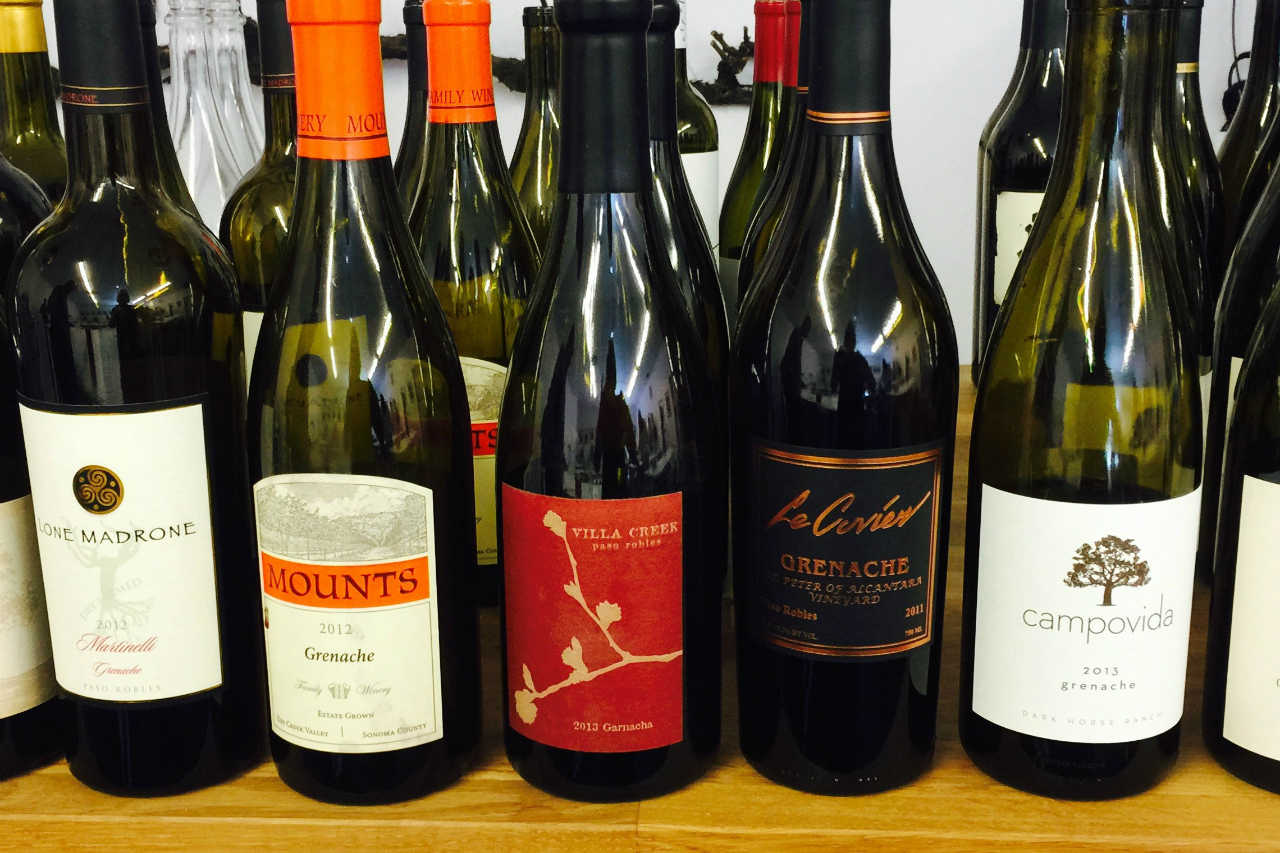
The American wine market’s openness to new varieties has helped bring Grenache back. Credit: Copyright Cheryl Quist
Several factors are driving a new interest in Grenache. First, the whole category of Rhone varieties has a new generation of devotees, both among consumers and among producers. American producers, inspired by the growing availability of high-quality examples from the Rhone Valley and convinced that California’s Mediterranean climate should be a congenial one for the Rhone’s Mediterranean grapes, started making wine in increasing numbers through the 1990s. With critical mass came organizations like Rhone Rangers, Hospice du Rhone and the Grenache Association, all dedicated to providing Rhone lovers a community in which to discover new favorites.
The American wine market’s increasing openness to new varieties, and the growth of the tasting room culture, allowed many of these maverick producers to connect with enthusiastic customers in a way that would have been inconceivable two decades ago. Blends, too, have become a hot category in recent years, and it’s hard to think of a grape that has benefited more than Grenache, whose combination of full body, generous fruit, moderate tannins and refreshing acidity make it an exemplary blending partner.
Grenache can be made in many styles, from robust and high-octane to ethereal and highly spiced, which allows it to appeal to both winemakers looking to make wines to impress with their hedonistic appeal, and those looking to make wines that are more ethereal and intellectual.
And yet, it’s likely that none of this would have happened without new clones.
Clones to the rescue
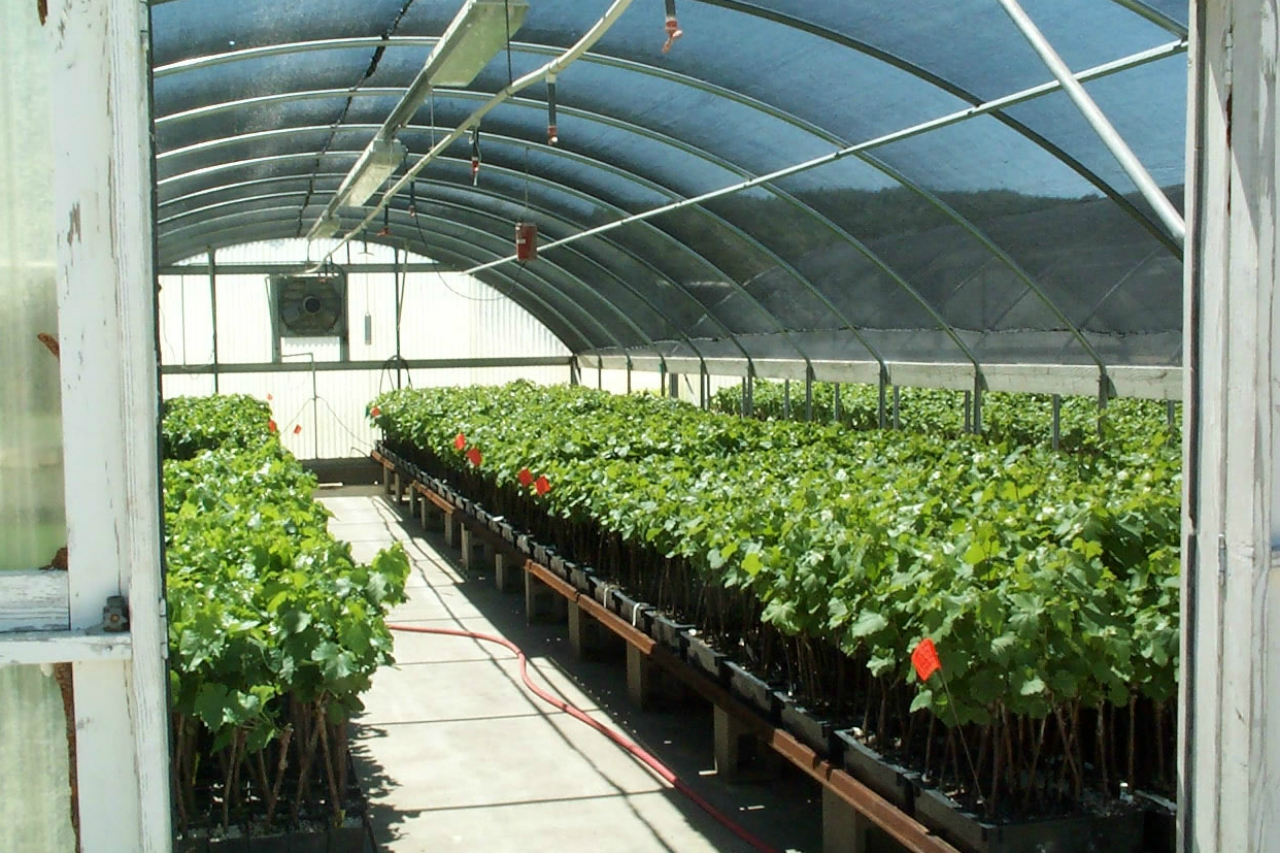
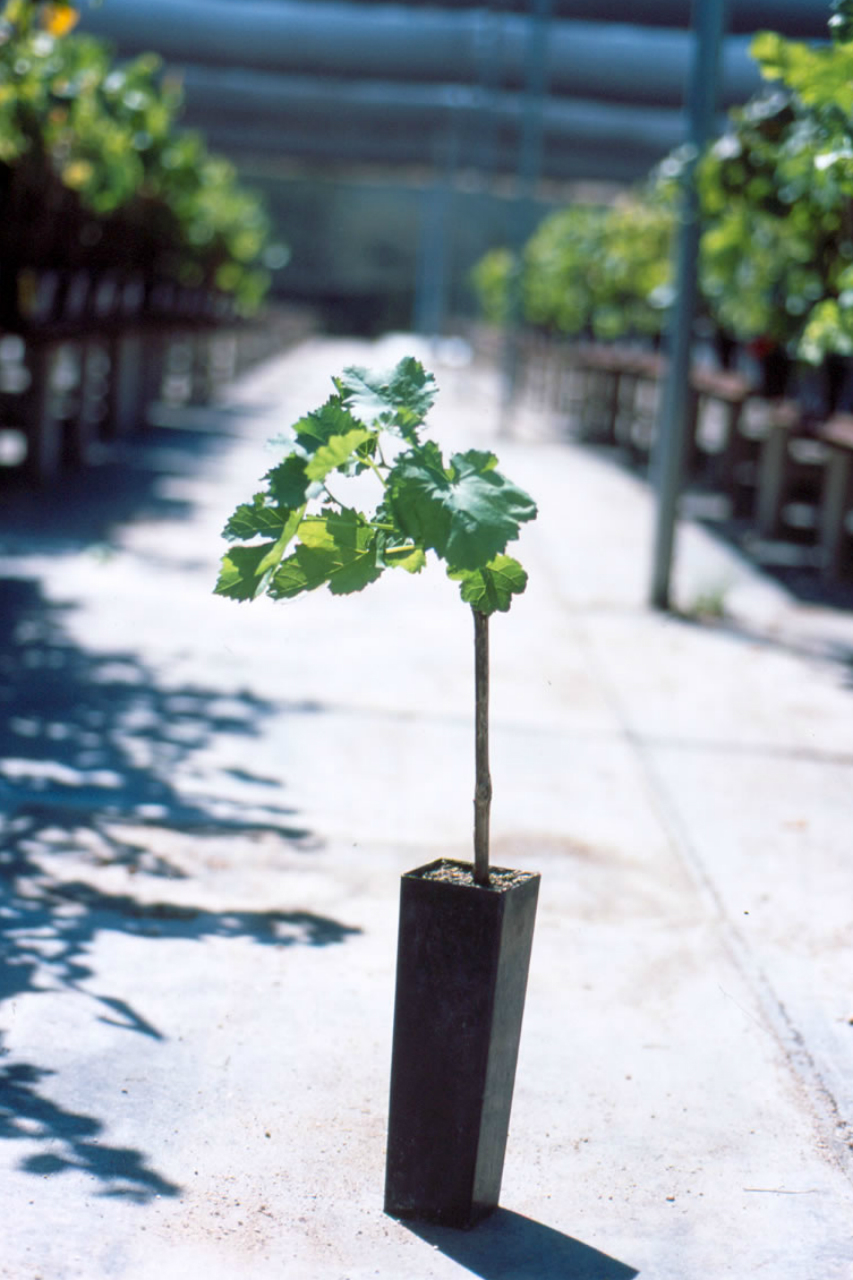
At Tablas Creek, clones from France were brought in as the vineyard started growing grapes for Grenache. Credit: Copyright 2002 Tablas Creek Vineyard
At Tablas Creek, we brought in clones of all our grapes from our partners at Beaucastel, and Grenache was a major reason why we decided to go through the considerable time and expense of doing so. When we started to research the available clones of Grenache in California, we were not excited by what we found: enormous clusters with massive berries, much larger than we were used to seeing at Beaucastel, with flavors that were fruity and friendly enough but not exciting. Sure, some of that could be attributed to being overirrigated, overcropped and planted in the wrong places, but we thought there was something inherently different about the raw material. It was this conclusion that cemented our decision to bring in our own clones from France rather than make the best of the clones that were available here.
We weren’t the only people to bring in new clones of Grenache, but the net effect of the arrival of new clones in the mid-1990s was dramatic. A new generation of producers started planting Grenache in the high-quality coastal and mountain appellations where its previous footprint had been negligible. Acreage statistics at the U.S. Department of Agriculture show that in coastal and foothills counties its acreage has grown at about 10 percent per year since 1995. The 1,000-plus acres of new plantings in high-quality areas has driven a critical resurgence for Grenache.
Celebrating Grenache’s present
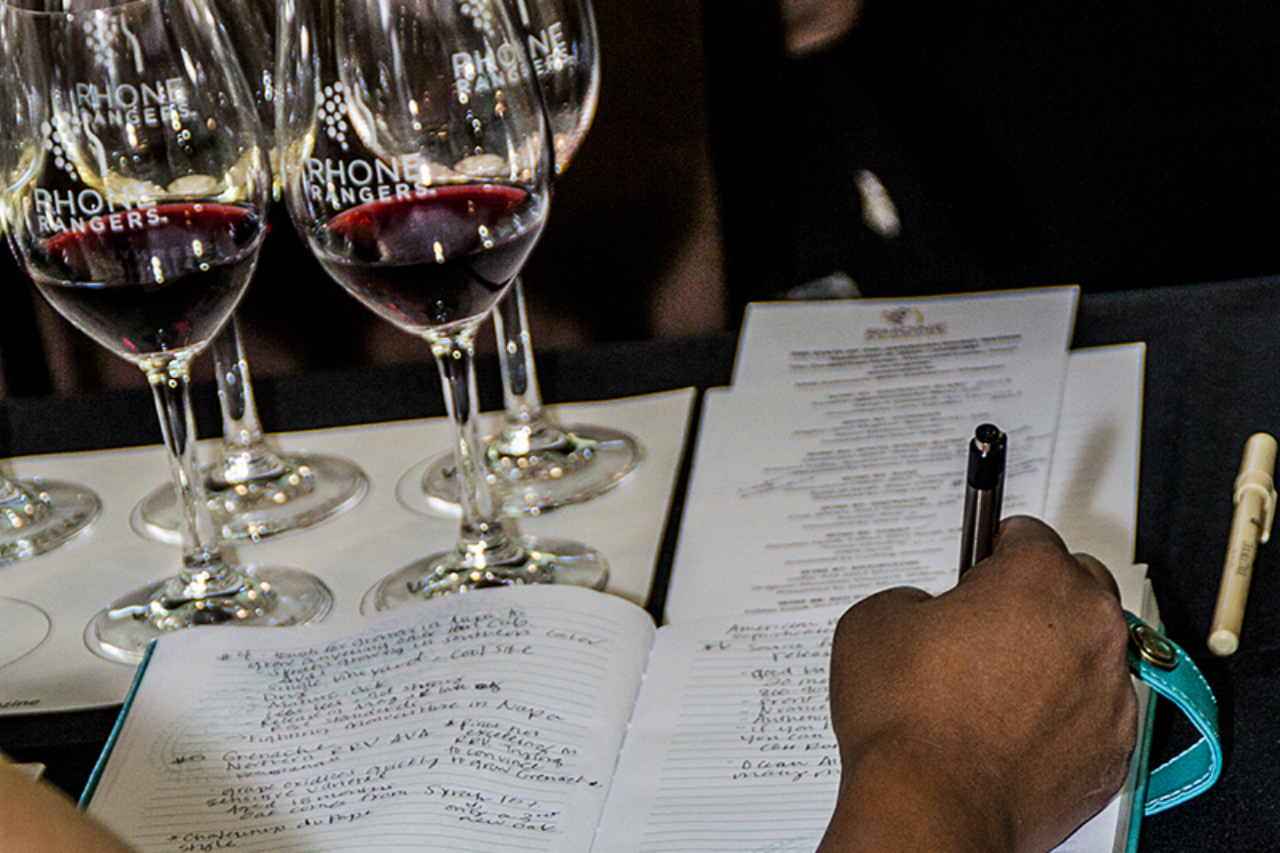
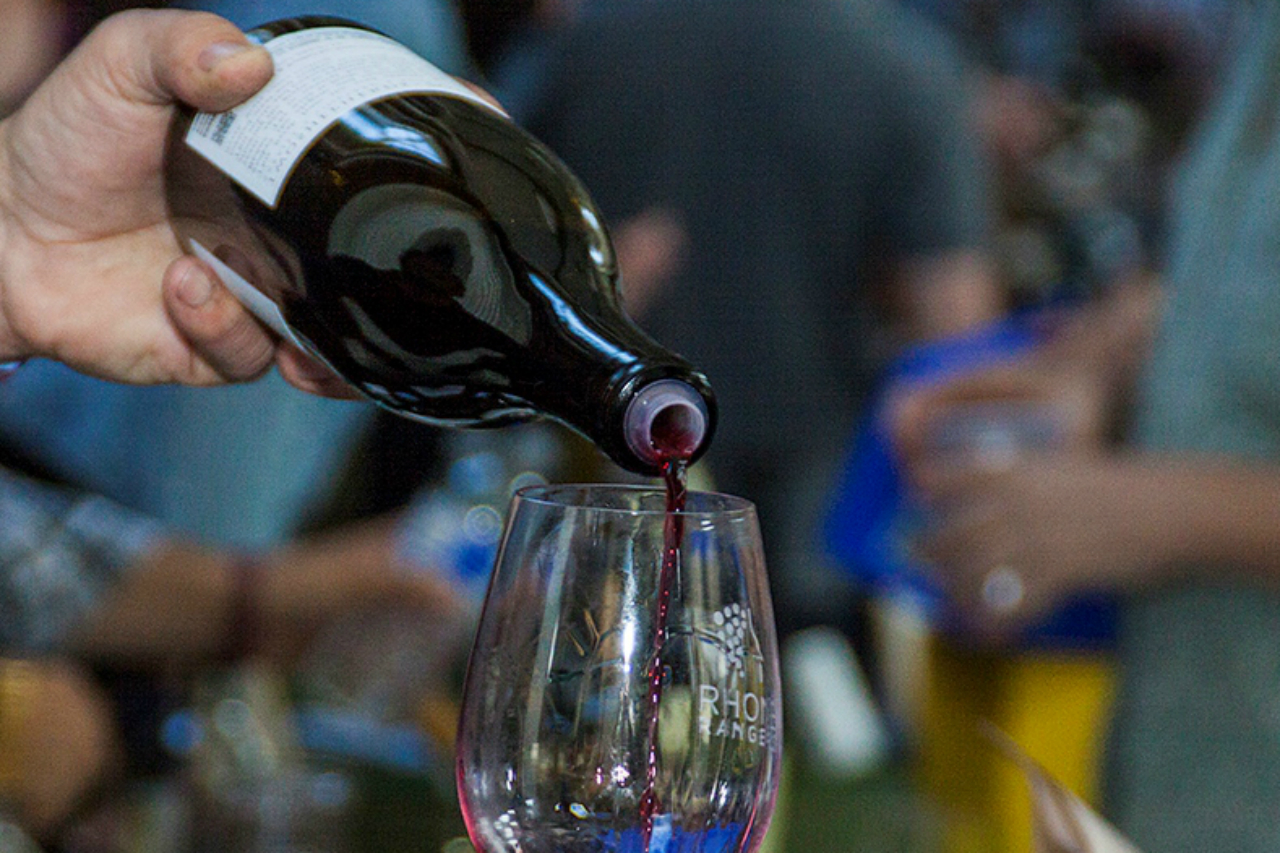
Organizations such as Rhone Rangers are championing Grenache. Credit: Copyright Bob Dickey
How about the Rhone Rangers? This organization of some 120 wineries, mostly from California but also including producers of Grenache and other Rhone-style grapes from Washington, Oregon, Virginia, Arizona and Michigan, holds two big events each year, in San Francisco (late spring) and in Los Angeles (Nov. 6-7). It also oversees local chapters in Paso Robles, El Dorado, California North Coast, Santa Barbara, and Virginia, and has organized a traveling show that has taken Grenache and its brethren in recent years to Washington, D.C., Chicago, New York and Seattle. For information, visit Rhone Rangers.
Hospice du Rhone has celebrated producers working with Rhone varieties with a four-day blowout of seminars, tastings, lunches, dinners, an auction and a legendary collection of after-hours parties most years since 1991. The 2016 celebration will be held in Paso Robles on April 14-16. For more, visit Hospice du Rhone.
The wines of France’s Rhone Valley are predominantly Grenache, from humble Cotes du Rhones to the greatest Chateauneuf du Papes. This is also true of most southern French rosés. These are all promoted by Inter-Rhone. For a complete listing of their events and activities, visit Inter-Rhone’s website.
Grenache even has an international day, organized by the Grenache Association each year on the third Friday in September (this year, it was Sept. 18) with tastings organized in Rhone-producing regions from France to Australia to South Africa to California.
A bright future for Grenache
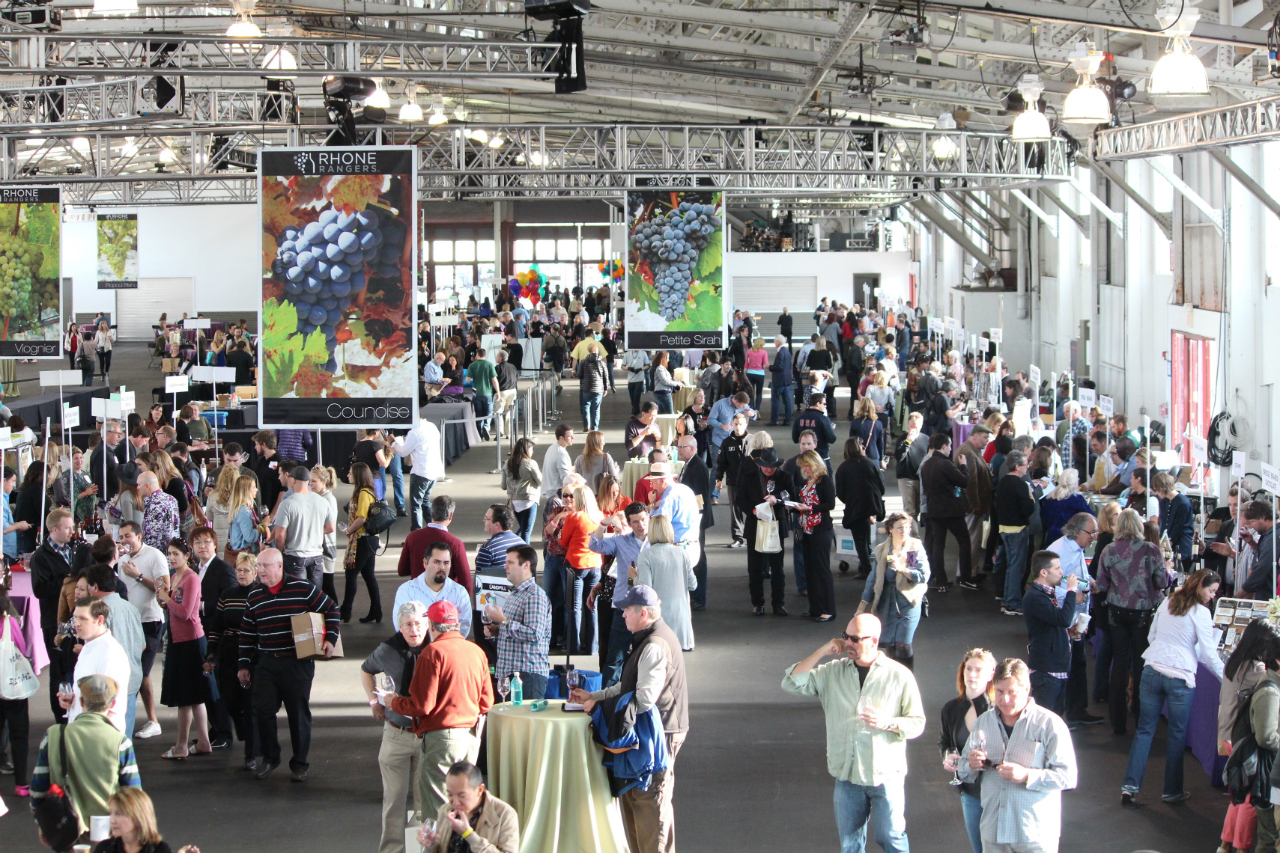
A tasting in California of Rhone varieties had a heavy focus on Grenache wines. Credit: Copyright 2014 Jason Haas
What’s next for Grenache here in America? It seems like it’s poised for a surge, for many reasons. Quality has never been better. In California, the grape is increasingly being planted in the right places, and just as important being pulled out of the wrong places. The clones that are available are better than they’ve ever been before. In general, the producers who are working with Grenache now are Rhone specialists, which suggests it’s in the hands of people who will know what to do with it, unlike, say, Syrah, which was planted speculatively in lots of the wrong locations by growers who were guessing at what California’s next big grape would be. (Syrah is only now recovering after years in the wilderness.)
In the vineyard, Grenache is particularly well suited to dry-farming, ever more important in a future where droughts are likely to become more frequent and more severe. And it has shown around the world it can thrive in many different soils, in a range of moderate to warm climates, and be made, according to a winemaker’s taste, in a variety of styles, from bright and spicy to deeply fruity and luscious.
The wine press and trade seems solidly behind Grenache right now; nearly every writer I’ve spoken with in the last few years has remarked on how they think Grenache is poised for greatness in America. And the market seems increasingly comfortable with blends, where Grenache shines.
Will Grenache be the next big thing in California? I’m not sure I would wish that on it. But will it see success over the coming decades? I think that’s an easy prediction.
Main photo: Suddenly, Grenache grown in California is coming back into favor. Credit: Copyright 2013 Tablas Creek Vineyard

Each winter, it becomes obvious which California vineyards truly walk their sustainability talk.
When the seasonal rains begin here on the Central Coast, hillsides turn a vibrant green as cover crops and natural grasses spring to life. In organic vineyards, the green stretches uninterrupted between the rows and among the vines. Vineyards using herbicides have neat, brown rows of dirt underneath the vines year-round.
I see lots of telltale dirt rows this time of year when I drive around the Central Coast — including at vineyards whose owners emphasize their “sustainable practices.”
At other times of year, it’s less obvious who is up to what. While the vines are growing (say, April through November) all vineyards keep weeds down so they don’t interfere with the free passage of wind and light among the ripening grape clusters. Organic producers weed mechanically or by hand. It’s not as easy or cheap as spraying Roundup, but it’s essential. No well-maintained vineyard will have weeds in August. But December reveals which wineries preach sustainability but practice expediency. In weed control at least, “sustainable” seems to mean: “We don’t use any more chemicals than we need to.”
Photo courtesy of Tablas Creek
Because “sustainable” is a term with no enforceable standards, abuse is likely to grow, as producers look to market themselves to an increasingly environmentally-conscious public. No one within the U.S. Department of Agriculture or the Alcohol and Tobacco Tax and Trade Bureau verifies any specifics related to a “sustainable” designation. So while many producers honestly are trying to reduce the environmental impact of their vineyard, there is no way to know whose claims are genuine.
Wine is naturally a pretty “sustainable” crop on its own. Vines are planted and left for decades, meaning topsoil loss and erosion from annual tilling is minimal. Wine grapes are generally watered very little, and with high-efficiency drip irrigation, so they create little runoff. The best vineyards tend to be nutrient-poor, so there is little incentive to fertilize heavily. There are very few devastating grapevine pests, so most vineyards are sprayed with pesticides only rarely. And vineyards are sufficiently valuable that once vines have been planted, the land is rarely redeveloped for housing or other higher-impact uses.
Don’t Assume It’s All Organic
Still, organic viticulture remains rare. Last summer, the vineyard where I’m a partner, Tablas Creek, participated in the Earth Day Food & Wine Festival in Paso Robles, Calif. This event is organized by the Central Coast Vineyard Team, which is (in their words) “a non-profit collaboration of agriculture and natural resource professionals with a shared dedication to sustainable winegrowing.” The event was great, very well attended and organized, and many people expressed keen interest in how each exhibitor was practicing sustainability. When we told the people who came by our table that we were, in fact, certified organic, many were surprised that we needed to make a point of that. They had assumed that all, or nearly all, the exhibitors ran organic operations. Of the 50 or so wineries present, only three were certified organic.
I suppose it’s a good thing that wineries are at least speaking about limiting their negative environmental impacts. And I don’t want to denigrate the efforts that many wineries are making. Any approach that reduces negative environmental or social effects needs to be encouraged. Brian Talley of Talley Vineyards, for instance, deserves particular credit for expanding the notion of sustainability to encompass a good quality of life and affordable housing for employees through his Fund for Vineyard and Farm Workers.
Still, too many wineries treat “sustainable practices” as little more than a marketing ploy.
Our adoption of organic vineyard practices at Tablas Creek is driven by our conviction that — regardless of the marketing benefits — it makes better wines. The Perrin family, with whom my family co-founded Tablas Creek in 1989, has been proprietor of Chateau de Beaucastel in France since the 1890s. The Perrins used chemicals in their farming only briefly in the late 1950s and early 1960s. In 1964, after Jacques Perrin returned to farming organically due to a vague suspicion that something was wrong, he was struck by how much his 1964 vintage tasted like the Beaucastel that he remembered. It was an “aha” moment for him, and they’ve been farming organically ever since.
I’m convinced that organic farming does produce wines with more intensity, flavor and character of place. And I am always surprised that more vineyards haven’t made the organic plunge.
This time of year, it’s clear how few have. Just look for the unnatural rows of weedless dirt.
Jason Haas is partner and general manager at Tablas Creek Vineyard, in Paso Robles, Calif. He also writes the Tablas Creek blog, which was awarded Best Winery Blog in 2008 by the American Wine Blog Awards. He is a president of the board of directors of the Rhone Rangers. He also serves on the board of directors of the Cal Poly Sustainable Agriculture Resource Consortium and on the marketing committee of the Paso Robles Wine Country Alliance.