
Articles by Author
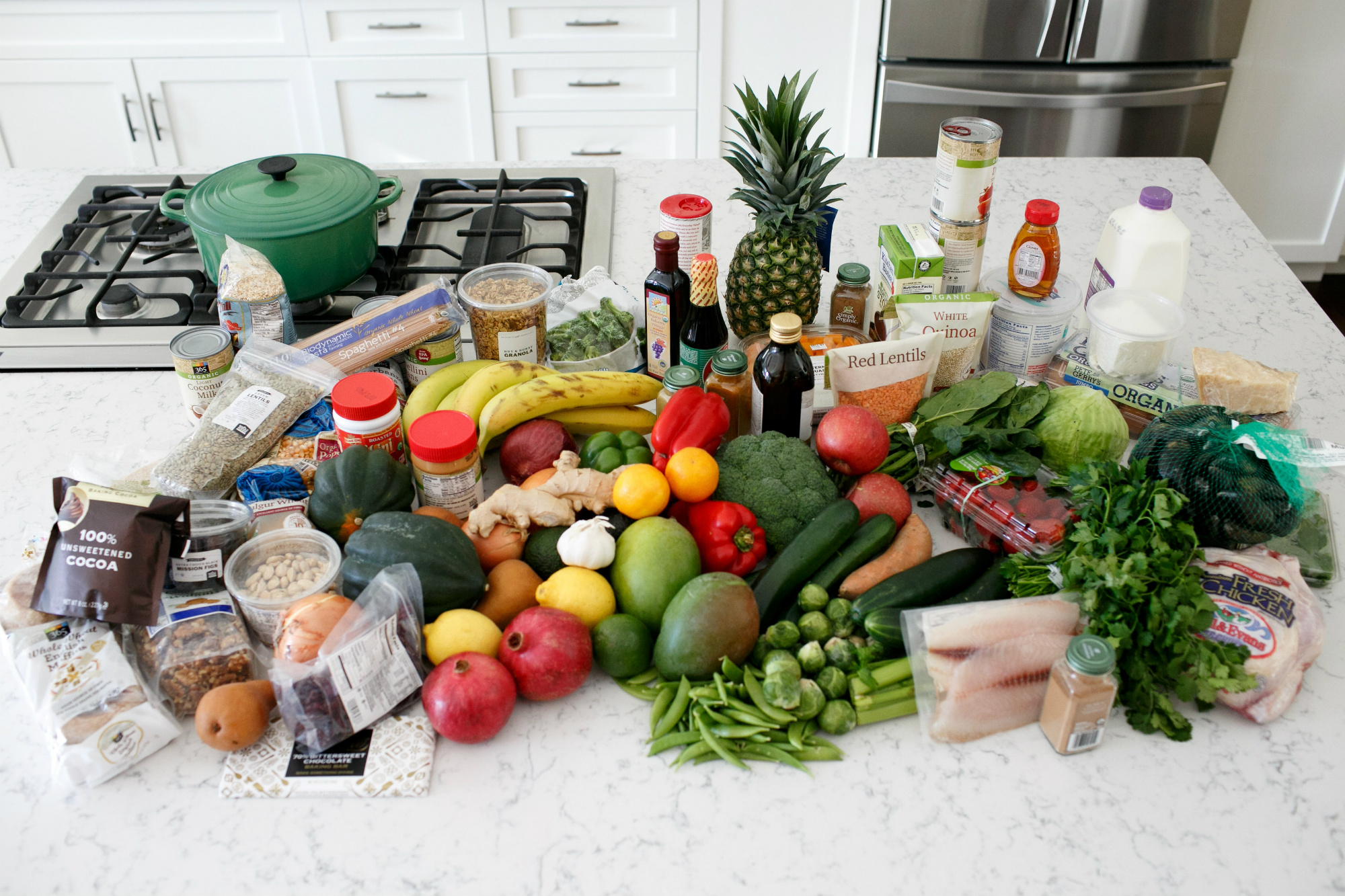
With ubiquitous food porn and hyped health headlines, 2015 was the year of sizzle over substance. At Oldways, a 25-year-old nonprofit celebrating cultural food traditions, we predict 2016 will reverse that formula with these six food trends for the new year that will affect what we put on our plates.
Our appetite for healthy food continues to grow
The movement toward healthier food choices continues to gain momentum. A recent Euromonitor survey projects global sales of healthy food products will hit $1 trillion by 2017, almost doubling the figure from 2007. It’s no wonder as consumers are now exposed to, and educated about, food choices practically everywhere: restaurants, grocery stores, TV food shows and schools. Based on Nielsen data, with nearly 9 in 10 (88 percent) willing to pay more for foods with health attributes, this provides significant incentive and opportunity for manufacturers developing new products.
Sustainable diets move to the center plate
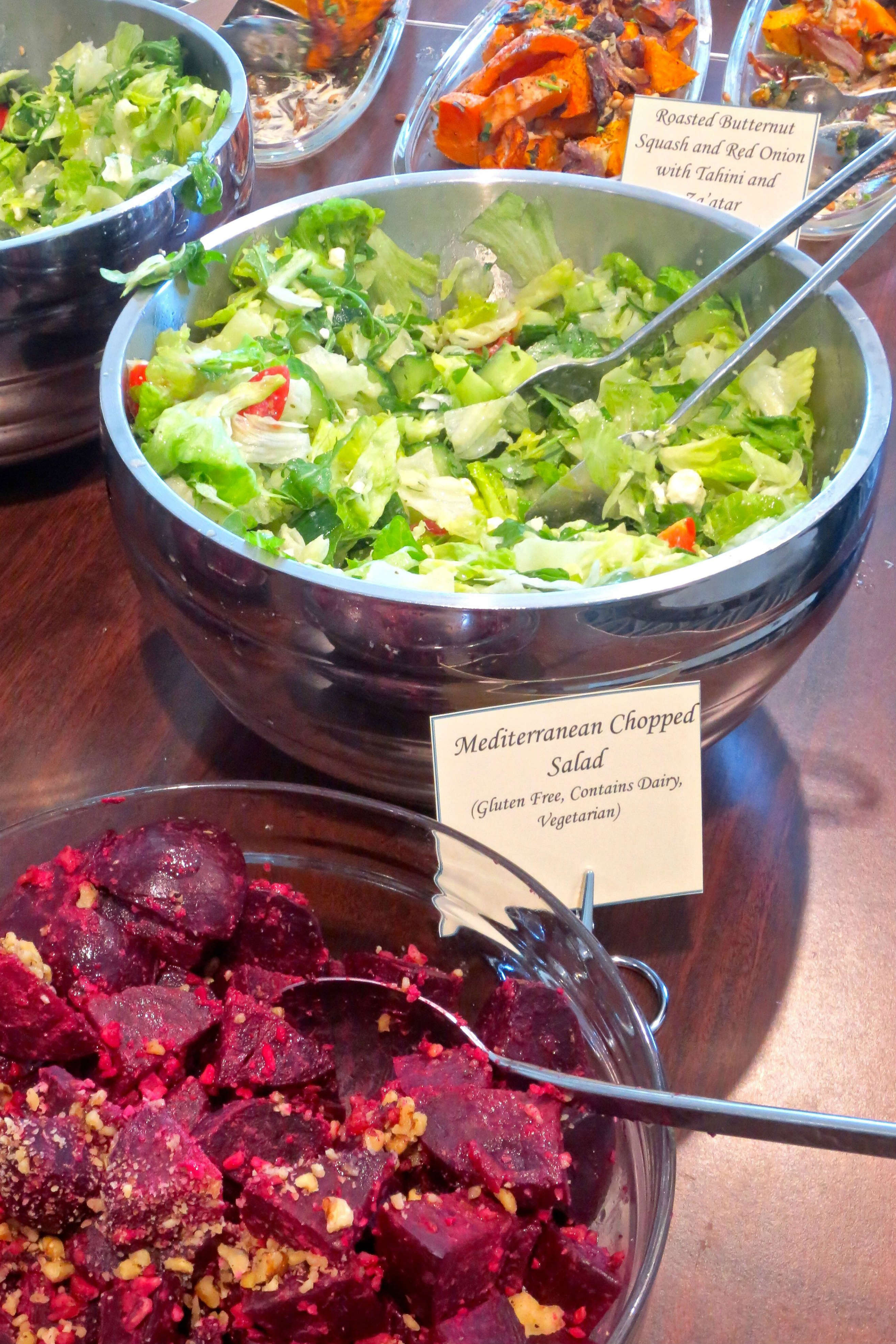
Plant-based diets are good for your health, as well as the planet. Credit: Courtesy of Oldways
More from Zester Daily:
» Mediterranean diet news isn’t new, but good to remember
» The healthy way to good fortune in the new year
Food literacy finally catches hold
The term “food literacy” is gaining currency. Thanks to the 75 million members of the experiential millennial generation, and technology, the youngest American adults connect good health with knowing where their food comes from and who produces it. As Eve Turow, author of “A Taste of Generation Yum,” said in an interview in The Atlantic, “food is also allowing us to access the globe, so we can find out what harissa is made with and how to prepare something with it, in two seconds on our phones.” This extends to appreciation for personal food traditions and a desire to reconnect with the culture of one’s ancestors. That’s good news, as heritage is an ever more powerful motivator for healthier eating, inspiring home cooking, which saves an average of 200 calories per meal.
Supermarkets are the new health hubs
According to the Food Marketing Institute, a food retail trade group, Americans make 1.5 trips to the grocery store each week. That far outstrips visits to health care providers. To help customers make balanced food choices, supermarkets like Hy-Vee, Wegmans and Giant Eagle are hiring registered dietitians in their stores. These RDs will bring good health to consumers (and financial health to the grocery business) by demonstrating how to move healthier choices from shelf to table.
Raw milk cheese is hot

More than half of all cheese lovers say they prefer raw milk cheeses and purchase them regularly. Credit: Courtesy of Oldways
More than half of all cheese lovers say they prefer raw milk cheeses (think Le Gruyère AOP, Parmigiano-Reggiano, Roquefort, Grafton Village Cheddar, and Pont-l’Évêque, a favorite of Prince Charles) and purchase them regularly, according to the Oldways Cheese Coalition 2015 Raw Milk Cheese Consumption and Attitudes Survey.
However, the FDA is looking carefully at unpasteurized cheese, and new regulations could limit availability of traditional cheeses in the United States. Still, 90 percent of U.S. cheese lovers believe they should be able to choose raw milk cheeses. This may be the impetus to give these products, created through the old ways of cheese making, the attention they deserve.
Increased consensus on what to eat
A study in the Journal of Health Communication showed contradictory nutrition news creates consumer confusion, leading people to doubt health and nutrition recommendations. But that may change.
With the imminent release of the updated Dietary Guidelines, along with movements such as Oldways Common Ground — launched with a gathering of 75 top nutrition scientists, medical experts and media members to reach consensus on what Americans should be eating — and the True Health Initiative, started by Yale University Prevention Research Center’s founding director David Katz, which enlists hundreds of experts to spread evidence-based truths about lifestyle as medicine, clarity will begin to trump confusion.
Main photo: Consumers globally are willing to pay more for foods with health attributes, according to a recent study. Credit: Courtesy of Oldways

Pseudoscience and seductive headlines worked their black magic in 2014, enticing people to follow one misguided food fad after another. However, 2015 holds more promise.
We at Oldways — our nonprofit has spent the last quarter century guiding people to good health through heritage and cultural food traditions — predict that what’s old will be rediscovered in brand new ways. We see five food trends in our kitchens and on our dinner plates for the year ahead:
More from Zester Daily:
» Fresh milled flour a world apart from supermarket
» The healthy way to good fortune on New Year’s
1. Whole grains become the new normal
Now that diners have discovered the nutty flavor and toothsome bite of whole grains, they are more willing to move from quinoa to more adventurous options like teff, sorghum and millet. Next up: Look for on-demand milled grains and more varieties of sprouted grains and sprouted grain flours, which will take baking to the next level.
2. African heritage cuisine goes mainstream
Thanks to chefs such as Marcus Samuelsson and Bryant Terry, as well as food historians such as Jessica B. Harris, African heritage cuisine has been elevated to new ranks. Based on whole, fresh plant foods, with a special emphasis on leafy greens, the traditional healthy eating patterns of African heritage, with roots in America, Africa, the Caribbean and South America, are making their way to more and more menus. In turn, more diners are discovering these healthy traditions of Africa. That’s also encouraging home cooks to explore and experiment with dishes like African peanut soup, Hoppin’ John and Jollof rice (also known as benachin).
3. All hail plants!
Interest in plant-based diets has reached an all time high. The trend has grown beyond just replacing meat. Today, vegetables are celebrated with innovative plant-centric plates such as zucchini baba ganoush and cauliflower steaks. In 2015, a number of less well known vegetable varieties will pop up at farmer’s markets, on more menus and on more plates. Look for tat soi and turnip greens as well as new and delicious hybrid vegetables like BrusselKale, a combination of two of America’s favorites.

Sara Baer-Sinnott, president of Oldways, a nonprofit food and nutrition education organization, sees five food patterns in the year ahead. Credit: Courtesy of Oldways
We will move beyond butternut to an amazing assortment of other squash: kabocha, delicata and sweet dumpling. Root vegetables such as rutabaga, watermelon radishes, purple potatoes and parsnips, also will rule. Even the U.S. government is considering a recommendation to eat more plant foods and less meat in the 2015 Dietary Guidelines.
4. Will it blend?
Home cooks looking to amp up the flavor are turning to herbs and spices with a twist. Spice blends like Berbere, Baharat, Ras el Hanout and Herbes de Provence (from Ethiopia, the Middle East, North Africa and France respectively) are adding adventure in the kitchen. Cooks are discovering the allure of blending their own spices. And they’re taking cues from top chefs like Ana Sortun of the celebrated Cambridge-based Oleana. Not only do these home blends boost flavor without adding sodium or calories, they enable personalized flavor preferences.
5. Cultural condiments
The arts of preserving and fermenting foods — popular in traditional diets around the world — were originally created simply to extend the life of foods in a world without refrigeration. Today, more home cooks are learning these techniques and padding their pantries with homemade kimchi, craft pickles, sauerkraut and preserved lemons.
Main photo: What new foods and dishes will appear on our plates in 2015? Credit: iStock