Articles in Cocktails
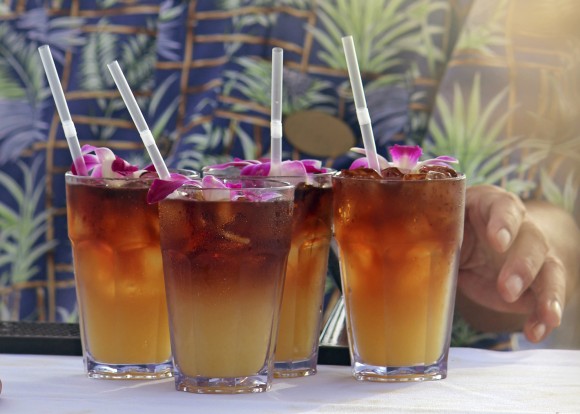
He invented the mai tai, popularized the margarita and nachos, and introduced American diners to morel mushrooms, sunflower seeds and green peppercorns before most restaurants included them on the menu.
These culinary accomplishments are credited to Victor Bergeron Jr., born in San Francisco in 1902. He opened his first restaurant, Hinky Dinks, in Oakland in 1934, serving up stiff drinks for 15 cents, accompanied by standard fare — beef, pork or lamb alongside two vegetables, potatoes and two slices of French bread with butter — for 20 cents. Hoping to offer something more exciting, he visited the well-known restaurant Don the Beachcomber to observe its combination of rum drinks, Cantonese foods and South Seas atmosphere. Bergeron immediately recognized a winning formula, which he sought to replicate — and in characteristic fashion, believed he could outdo.
By 1938, Bergeron unveiled his own Polynesian restaurant, Trader Vic’s. With travel to Hawaii, Cuba, Tahiti, Japan, Hong Kong and Mexico, he began a nearly 50-year career in which he evangelized the island lifestyle, reimagined “exotic” cuisines and promoted the rums of the world. By the time of his death in 1984, he had opened well-loved and steadily patronized Trader Vic’s restaurants in San Francisco and Los Angeles, plus locations as far afield as Tokyo and London, Singapore and Munich.
The Apostle of Rum
More from Zester Daily:
» Cocktail hour: Demon rum
» A new wave of Hawaiian spirits
» New players raise the bar for rum
» Rum that packs a punch
Although Bergeron’s status as inventor of the mai tai is contested by some, journalist and gourmand Lucius Beebe unequivocally christened him “the apostle of rum,” a title well earned by Trader Vic’s extensive drink menus and the contents of his cookbooks. In the first, “Trader Vic’s Book of Food and Drink,” published in 1946, he writes simply, frankly and with palpable enthusiasm for rum in an opening section casually titled, “About Booze.”
Just as Julia Child taught wine, Bergeron insisted upon only high quality and carefully chosen ingredients, distinguishing rums by country of origin and preferred brands in every recipe. He also playfully recommends a slew of concoctions. “Tall ones,” like the Dr. Funk and Haote Pikia, are “for those who like to sit around and shoot the breeze and sip on a good-tasting drink.” Others are “for good old American guzzling” and getting buzzed in short order, such as the Flamingo, which calls for 1½ ounces Puerto Rican rum, a dash of Angostura bitters, a slice of cucumber rind and enough 7-Up to top off a 12-ounce glass.
In his introductory pages, Bergeron, who eventually took on the persona of Trader Vic himself, posits that rum’s unpopularity, at least relative to other spirits such as gin and scotch, was due to its colorful past in which it was “the favorite libation of pirates, sailors, massacring Indians, beachcombers and loose women.” He assured readers that rum had “risen to the ranks of respectability” and “become the favorite potion of millions of civilized people.” For all his groundbreaking, the Trader’s distinctions between “primitive” and “civilized” people, “native” ingredients and “American tastes” would remain a problematic and recurring theme.
Trader Vic’s ‘American’ Food
While his 1948 “Bartender’s Guide” became a standard mixology reference work, Trader Vic’s mark on American cuisine is less straightforward. Borrowing liberally, he combined ingredients, flavors, techniques and methods to form what one food critic described as “more Trader Vic’s food than anything else.” Bergeron vehemently defended the quality of American ingredients and wine against the supposed status afforded by the likes of Russian caviar and French wine. He at times embraced tradition, preparing a variety of dishes using “Chinese barbecue ovens,” which burned white oak logs, rendering what many diners noted as a mild but memorable smoky flavor.
At the same time, the Trader also embraced ready-prepared foods. While other leaders of the food world bemoaned the de-skilling of the American housewife, Bergeron argued that with the help of convenience food products home cooks were actually developing in the kitchen, becoming more able to prepare simple and delicious food. He confidently predicted that the quality of frozen food would improve, citing a frozen prefab chicken dish he had eaten, stating, “If I was the finest chef in the world I couldn’t do it better.” Furthermore, after tasting “green enchiladas in an out-of-the-way Mexican Village,” prepared with canned soup and canned chiles, he proclaimed, “Without cans you can’t live!”
Trader Vic’s world travels earned him a venerated position as one who brought “exotic” and “foreign” delights stateside. He took pride in modifying dishes so that they were more “sophisticated,” his description for better suited to the American palate. In “Trader Vic’s Pacific Island Cookbook,” published in 1968, he altered dishes from Mexico and Texas, taking out oil that he deemed too fatty and chiles he considered overly spicy. In tacos, he substituted chopped beef for shredded to align it with “American tastes.” He spoke of his gustatory creations not as visionary fusion cuisine or reimagined tradition, but as “American food,” a way of eating that he predicted would eventually lead the world. Sure of American potential, he’s quoted quipping, “Think of all those poor little Italians having to eat Italian food every day of the year.” He even took his dishes to the sky, bringing salads dressed with fruit, good-looking and tasty steaks and handmade mai tais to United Airlines flights in the early 1970s.
Understanding Trader Vic’s
Perhaps Lois Dwan, restaurant critic for the Los Angeles Times, understood Victor Bergeron and his food best. In her numerous reviews of Trader Vic’s from the 1960s through the 1980s, she described him as neither snob nor purist, but simply dedicated to quality and a good time. Like others, she mused on what, if anything, was real or authentic about Bergeron’s persona, restaurants, drinks and food. She eventually concluded, “That the design is not particularly true does not matter.” She credited Bergeron’s culinary process, as he focused not on the structure of tradition or recipes, but rather “understanding the principle — the idea — of a flavor or procedure.” Grounded in what she called “understanding without condescension,” Dwan lauds Bergeron’s results as “one of the few original cuisines anywhere.”
In his 1983 review of Trader Vic’s, written to commemorate the restaurant approaching its 50th anniversary, Colman Andrews concurs. He summarizes the Trader Vic’s experience as “imaginative, eclectic, corny, comfortable, expensive, uneven and sometimes downright excellent. It is — always — great fun.”
The Trader Vic’s legacy lives on with U.S. locations in Emeryville, Calif., Portland, Ore., and Atlanta, as well as a number of international locations.
Main photo: Victor Bergeron Jr. may or may not have invented the mai tai, but he popularized tropical rum drinks. Credit: istockphoto.com
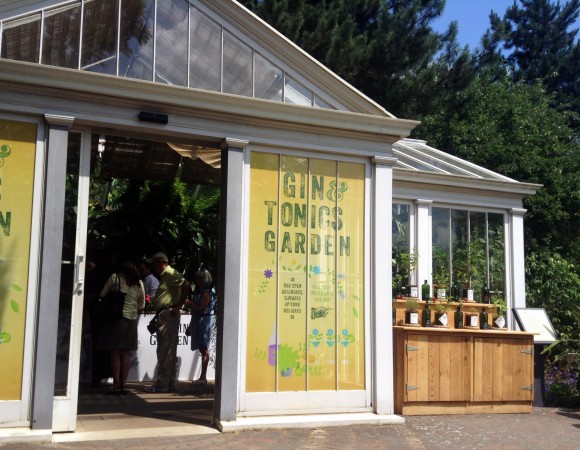
With the world’s largest collection of living plants, and its scientists working around the globe to preserve biodiversity, the Kew Royal Botanic Gardens in London is internationally renowned for its conservation work. Less well known, perhaps, is the fact that its 300-acre grounds harbor the ingredients for some darn good cocktails.
“Sweet cicely, or garden myrrh, is very fragrant, but it also has a natural sweetness so it’s good to pair with rhubarb,” says Jo Farish, founder of the Gin Garden, as she hands over a Strawberry Cup. The beguiling early summer concoction of strawberry-infused gin, homemade rhubarb-and-sweet-cicely cordial, and lemon juice is garnished with fresh strawberries, cucumber and edible flowers.
Summertime gin garden
More from Zester Daily:
» The best cocktail apps for aspiring bartenders
The Gin Garden’s summer residence at Kew Gardens, where Farish and her team have turned a small greenhouse into a jungle-like bar serving up gin cocktails and tonics on weekends (Friday through Sunday) and British bank holidays, offers plenty of inspiration for mixologists.
“We’re taste-testing new ingredients as they come into season — we’ve been infusing cherry gin, with more fruits and berries coming up, and the lavender and Roman chamomile growing over there will be used in drinks when they’re ready,” Farish says.
The cocktail menu, which changes weekly, “uses bits and pieces from the Kew Gardens, but we can’t use too much,” she says. “The ingredients are all things that are grown here, but these plants have to be preserved.”
Serving drinks based on what’s growing nearby is the focus of the Gin Garden, which Farish started in fall 2012 after a successful trial run making apple martinis for an event at a historic house and garden run by the U.K.’s National Trust from the apples, lavender and honey on the property’s grounds.
Her company, which has taken its traveling botanical bar to museums, flower shows, design fairs and other locations in and around London, melds Farish’s background in event planning and garden design — and, she says, some very British sensibilities.
Do-it-yourself gin
“British people are real gardeners and lots of people make their own gin. The two go hand in hand,” Farish says. “People are used to preserving (food) and having something to get through the winter.” She assures urban dwellers with more limited space that plenty of cocktail ingredients are easy to cultivate in a window box.
In addition to its pop-up bars, the Gin Garden also offers workshops on growing botanical ingredients at home and making infusions and syrups.
To make the infused gin that forms the base of its refreshing Kew-cumber cocktail, for example, Farish recommends slicing up cucumbers like you would for a sandwich, filling up a Mason jar halfway with the vegetables and topping it off with gin.
“Sip it the next morning and see how it tastes,” Farish says. “If the flavor isn’t strong enough, just close the jar up and try it again the next morning.”
bottlesofwater
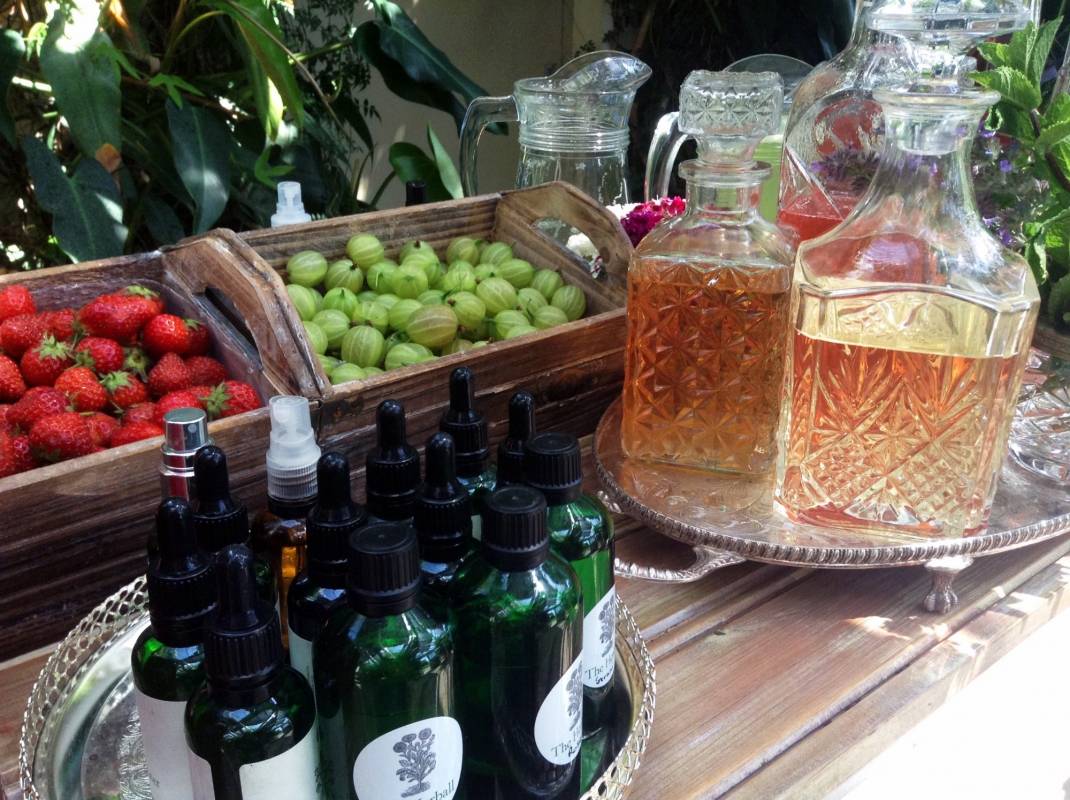
A Gooseberry & Fennel cocktail is made from gin infused with the fennel that grows wild along the coast of Norfolk, in the east of England. The drink has a subtly acidic bite — and plenty of health benefits. “Gooseberries have vitamins A, B, C and antioxidants; they were actually used to ward off scurvy before citrus fruit was available in the U.K.,” Farish says.
The temporary Gin & Tonics Garden at Kew is part of the botanic garden’s summertime “Plantasia” festival, which includes a variety of activities, from a healing plants tour to a barefoot walk. The activities are aimed at introducing visitors to plants’ benefits “for body, mind, and soul.”
Benefit of plants
The passiflora tincture in the Rose Garden cocktail, for example, is said to be good for anxiety, while the namesake ingredient in the Elderflower Fizz is said to improve resistance to allergens. Angelica root, one of the six botanicals in the No. 3 London Dry Gin used to make the Kew cocktails, has long been employed in traditional medicine as a treatment for digestive issues.
“Nearly all plants have some kind of health benefit,” says Farish, who prefers to use a masticating or cold-press juicer for serious cocktail-making because it preserves more of the nutrients in fruits, vegetables and herbs.
Some of the Gin Garden’s drinks get an extra boost from a spritz of aromatic water before serving. The water is applied over the top of the glass with an old-fashioned perfume atomizer. Made by the London-based company The Herball, these aromatic waters are distilled using the same method as gin itself, retaining the complete essence of herbs and flowers like the chamomile spritzed over the Strawberry Cup or the geranium, rose and lavender that add a floral twist to the otherwise classic G&T.
“There are so many botanicals you can use with gin. It’s pretty limitless,” Farish says, mentioning her recent discovery of a small distillery in Cornwall that makes a violet leaf gin. “You really have free reign with ingredients compared to other drinks.”
Though gin is often thought of as a summertime tipple, Farish is already thinking ahead to the chillier seasons to come after the Kew pop-up bar closes its doors Sept. 7. “I’d like to do a winter gin garden,” she says. “Gin makes a great hot toddy with warming winter herbs and spices like ginger, sage and thyme.”
Ingredients
- 7 parts (35 milliliters) cucumber-infused No. 3 London Dry Gin (infuse your gin with sliced cucumbers for 48 hours)
- 1 part (5 milliliters) lime juice
- 1 part (5 milliliters) basil and mint syrup (simmer water and sugar to form a simple syrup then add herbs, keep on heat for 5 minutes, strain and bottle)
- Top with freshly pressed (juiced) cumber juice that has been diluted with sparkling water — 1 part cucumber juice to 10 parts sparkling water
Directions
- Fill a highball glass with ice and add the ingredients above, stir, garnish with a slice of cucumber and a sprig of mint.
* Recipe courtesy Jo Farish. Find more recipes at The Gin Garden.
Main photo: The pop-up Gin & Tonics Garden at the Kew Royal Botanic Gardens in London. Credit: Jennifer Hattam
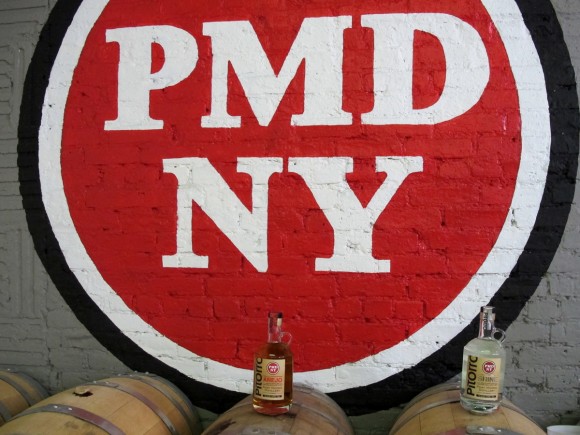
It may be the Puerto Rican version of moonshine, but pitorro is creating a buzz — in more ways than one — in the South Bronx, where Port Morris Distillery has been making this potent drink since 2010.
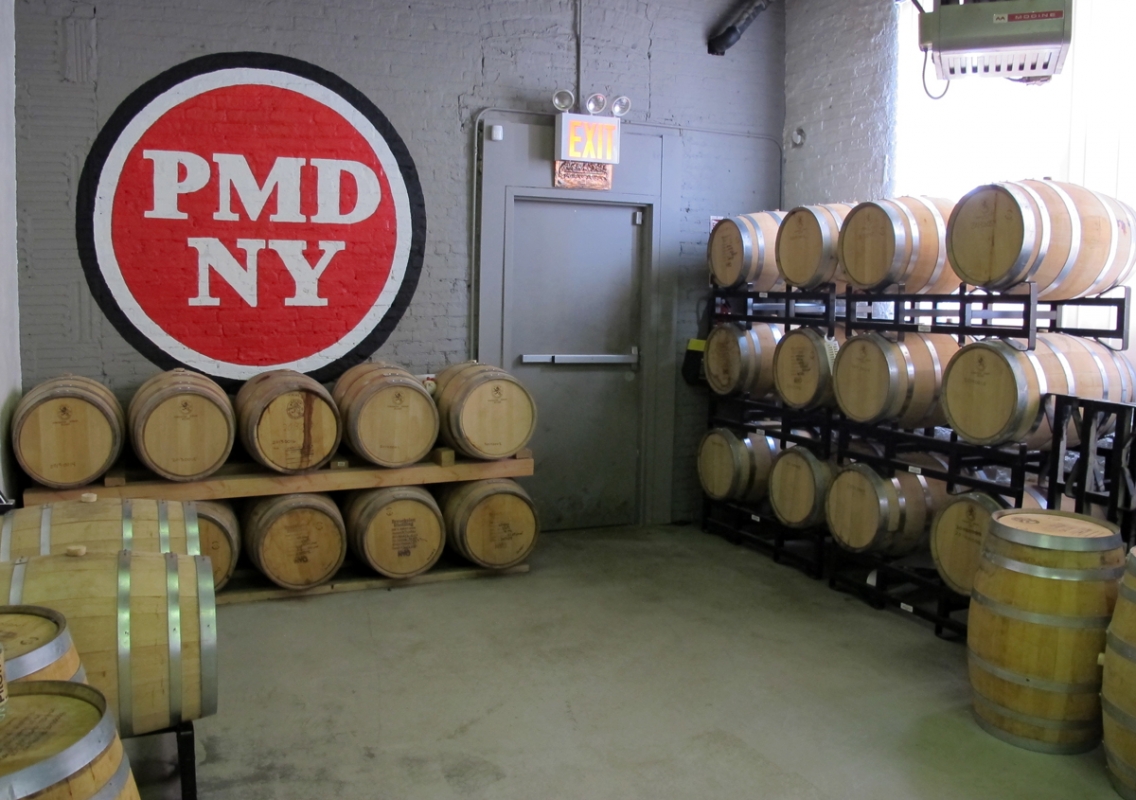
Childhood friends Ralph Barbosa, 41, and William Valentin, 43, launched Port Morris Distillery (PMD) after visiting Puerto Rico on vacation. Armed with a dream, Master Distiller Tio (Barbosa’s uncle Rafael Rodriguez) and a $60,000 budget, PMD is drawing amazing street traffic from celebrities, old-school folks and millennials in search of something unique.
“Our families thought we were nuts, but stood by us,” said Barbosa, who counts his wife Miriam, an educator, and Valentin’s family members as staff.
The only professional experience they had with making spirits was drinking. But, after visiting Puerto Rico on a vacation, they decided they wanted to do something to honor their culture.
Pitorro is a cultural spirit based on sugarcane, and it is created throughout the Caribbean, Central America and South America. It has names like Jamaica shine, clarén in the Dominican Republic, guaro in Honduras, cachaça in Brazil and pisco in Peru.
An old-school approach
Rodriguez’s old-school approach, perfected in the hills of Guayama, is to measure everything by eye and taste. Pour your homemade libation onto the ground, light a match to it and watch it burn, all the while noticing its color and how long it burns. This is a test of quality and whether the distillate is tainted or not.
Rodriguez was persuaded to leave Puerto Rico, join PMD and oversee production after the guys tested and showed how perfectly consistent his homemade spirit measured on a hydrometer at 92 proof. ‘That’s the history of our 92 proof!” Barbosa said.
Once onboard, Rodriguez decided he wanted to age pitorro in wood-cast barrels. PMD‘s 80 proof anejo is cured by resting the pitorro in wood-cast barrels for less than two years.
“Our pitorro is created with all the detail of a fine wine, but it hits you with a fuller effect,” Barbosa said. The taste attracts drinkers of aged whiskey, rum and tequila, as well as those who like mixed drinks. In Puerto Rico, it is mixed into coquito, the local eggnog.
Everything at PMD is handcrafted. Rodriguez’s recipe is distinctive. He prefers to prolong fermentation and turn the mash into a beer-wine consistency, giving it 14 to 21 days to cure, as compared to the usual four- to five-day fermentation process applied to most spirits.
“Tio’s fermentation process gives our spirit a glassy pearl-look and, most importantly, prevents hangovers,” Barbosa said. Every self-respecting pitorrero (moonshiner) knows that without the perlas (pearl-look), the pitorro is no good, he said.
The mash is made of apples, honey, brown sugar, non-GMO corn, yeast and New York City water.
“We fill and label each bottle by hand. We heave big bags of apples onto our shoulders,” Barbosa said. They handle their own distribution.
They built their raw first-floor loft space, including assembling the still from Germany. They designed and created a tasting room to feel and look like Old San Juan. The bar is finished with corrugated zinc metal, in typical island style.
They applied for a NYS Farm D license ($127), which allows them to distribute wholesale, sell retail and run a tasting room, according to Barbosa, who quit a job as a superintendent for the New York City Department of Housing. Valentin worked as a sheet metal professional with a local union.
PMD
A growing community
“The great thing about the microdistillery business is that we are part of a small yet growing community. We help each other. We are not competitors,” Barbosa said.
“I heard a TED Talk by Ralph Erenzo of Hudson, N.Y., who lectured about ‘gumption.’ He is credited with reforming the New York State Farm Distillery Act. He said that there was no blueprint to start a distillery.
“That’s all we needed to hear. Everything we did was on the fly,” Barbosa said. In December 2013, after three years of work and getting all the licenses, they launched Pitorro Shine, 92 proof and Pitorro Anejo, both at 750ML & 375 ML.
Barbosa said that branding, word-of-mouth and luck were important factors for this start-up. “We were featured on a local New York TV show that drew one viewer straight to our door,” he said.
“That customer, Mercedes Garcia, was our very first customer. She said it sounded like her grandfather’s moonshine. Once she tried it she was so amazed that she returned with her family. They loved it too and started spreading the word.
“We call our customers ‘members’ as we are a growing ‘movement,’ ” he continues. “We have live music, an old-school salsa band every other Friday evenings and home-cooked food.”
PMD offers a tasting room by appointment. There are tasting tours every Friday.
Main photo: PMD makes Pitorro Shine and Anejo in its South Bronx distillery. Credit: Jennifer Yip
How often does this happen to you? You’re looking in a kitchen cabinet when you stumble upon a random bottle of liquor you have no idea how to use. Or you’ve invited friends over and want to replace the usual wine with fabulous cocktails, but need some inspiration.
Maybe neither of these cases describes you because you’re a cocktail guru famed for your mixology expertise. No matter what, you’ll find life made easier by the cocktail apps below. With hundreds of recipes, virtual “liquor cabinets” and many more handy functions, these apps will place the bartending knowledge you desire at your fingertips.
More from Zester Daily:
» Aged Cocktails, A New Trend You Can Try At Home
» Hot Apps For Herbs, Peppers, Cocktails—And Virgin Vegans
» Spicy Cocktails Are Hot, Hot, Hot
Mixology
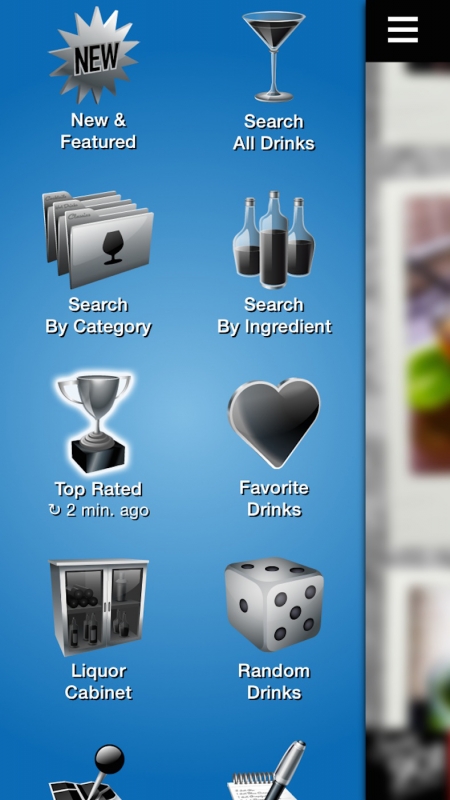
Basics: Mixology is the best option for anyone seeking a variety of functions on a simple interface. The app offers thousands of recipes that are searchable by category or ingredient.
Cool features: The “Cabinet” function enables you to check off liquors, mixers and garnishes that you have on hand and suggests drinks you can make with them. Mixology even locates nearby liquor stores for your shopping needs, and local bars if you want someone else to prepare the drinks. Finally, the app has bartending tips and tricks for beginners, and displays user ratings for each drink.
Systems: iOS, Android
Cost: Free.
Upgrade: Pay $0.99/$1.49 (iOS/Android) for “Mixologist,” which will allow you to store custom cocktail mixes.
Liquor Cabinet
Basics: Liquor Cabinet is a visually engaging app created to build recipes from the ingredients you have on hand. It has a substantial drink database searchable by category, ingredient or occasion, such as “Brunch” or “Holidays.”
Cool features: What makes Liquor Cabinet stand out is its whimsical “Cabinet” function. While “Cabinet” on apps like Mixology are basically checklists, this version enables you to virtually stock a wood-paneled bar with items you have so ingredients literally take shape, making them easily viewable. Select certain items and they are “mixed” into different recipes. Liquor Cabinet also provides a “bar napkin” so you can make notes, and lets you save Favorites. It tells you what drinks are a few ingredients away based on your Cabinet and tallies needed items on a shopping list. If you want help devising various drinks for what’s on hand — including that mystery bottle — then Liquor Cabinet is for you.
System: iOS
Cost: $0.99
Speakeasy Cocktails
Basics: Speakeasy Cocktails is worth the investment for those who seek to immerse themselves in the art of mixology. It was created by Jim Meehan and Joseph Schwartz of the NYC speakeasies PDT and Little Branch, respectively.
Cool features: The app features 200 recipes, hours of video tutorials and quality photos on a beautifully smooth interface. The app divides its wealth of information into digestible “Chapters” on various topics: gear, techniques, liquors and mixers, recipes, and a history of the speakeasy. The recipes are easy to follow and define every drink ingredient and bartending term you’ll ever come across. If you’re looking to get into more serious cocktailing, this app is the perfect tool.
Format: e-book available for iPhone, iPad
Cost: $9.99
Bartender’s Choice
Basics: Bartender’s Choice is perfect for those who want a professionally curated cocktail library without Speakeasy’s price tag. Created by Sam Ross of NYC’s Milk & Honey, this app affords you the expertise of a speakeasy bartender. Select choices for Alcohol, Sensation, Style and Extra, and it produces suggestions from its high-quality library of more than 400 cocktails, each featuring a well-crafted photo and brief drink history.
Cool feature: Though missing a “Cabinet” and in-depth tutorials, Bartender’s Choice includes “Minor Details,” which provides basic tips and definitions. Delivered on an interface evoking the spirit of a speakeasy, this app will have you reaching eagerly for your mixer.
System: iOS
Cost: $2.99
Drinks and Cocktails
Basics: If you’re a mixology novice or just want a straightforward app, then settle down with Drinks and Cocktails. This app sheds “Cabinet,” GPS and tutorial functions to focus on providing easy recipes. The recipes omit bartender jargon while keeping basic practical tips such as what a “highball glass” looks like.
Cool feature: It offers several hundred drinks that can be narrowed down by category or ingredient, browsed on a user-friendly scroll wheel and saved to Favorites.
System: iOS
Cost: Free
Cocktail Flow
Basics: Cocktail Flow has a more limited library but a more fun interface than others on this list. The app has the typical offerings of “Cabinet,” bartending basics and easy instructions.
Cool features: Three features make it stand apart: It budgets your cocktail shopping list based on drinks you like, offers nonalcoholic drink recipes and has a tropical theme that makes you feel like you’re mixing in a tiki bar.
Systems: iOS, Android
Cost: Free.
Upgrade: $0.99 for additional themes and recipes, although developers promise more free recipes in future upgrades.
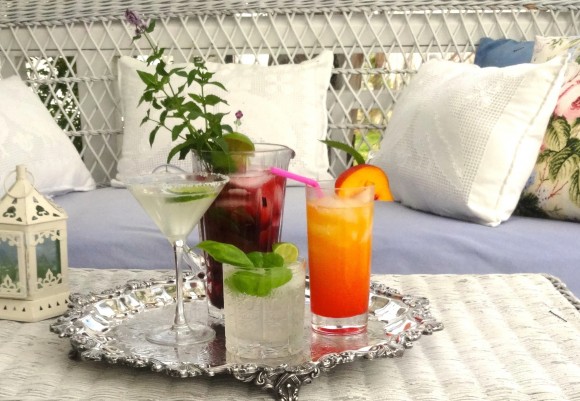
Main photo: Summer cocktails on the porch — a margarita, blackberry Moscow mule, tequila sunrise and basil mojito. Credit: Rose Winer
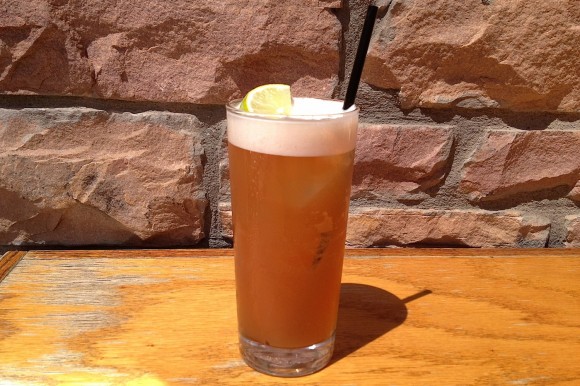
The difference between homemade and commercial tonic is startlingly obvious at a glance: The DIY variety looks almost like cola in the glass rather than club soda, and the flavor follows suit, being richer and spicier.
That was our experience with the tonic at James Lee’s craft-cocktail lounge The Bitter Bar in Boulder, Colo., anyway, and it was sufficiently eye-opening for us to get the scoop from bar manager Dustin Johnson. He explained that “the more commercial products use a quinine extract, and that’s why they can be clear. Ours is reddish-brown because we use ground cinchona bark. Some customers are surprised by the color, until they find out that it’s actually more natural for a tonic to look that way.”
More from Zester Daily
» Rye whiskey, once classic, rises again
They may or may not be equally surprised that the stuff mixes just as well with brown spirits as clear ones. “We really enjoy it with rye whiskey,” Johnson said, because “the caramel and vanilla flavors of the rye lend themselves well to its own flavors. Bourbon works in a similar fashion — we used to serve a cocktail called the BLT, which stands for bourbon, lemon and tonic. The added citrus made it really crisp and refreshing.”
Johnson’s standard recipe tonic requires a 5-gallon Cornelius keg, which is easy enough to find through home-brewing supply shops. But if you’re not prepared to make that kind of investment, Johnson also has a small-batch stovetop recipe at the ready. Cinchona bark can be purchased online, for instance at Healthy Village, or you may find it at your local apothecary.
Keg Tonic
Prep Time: 1½ to 2 hours
Cook Time: 45 minutes
Total Time: 8½ to 9 hours
Yield: 5 gallons
Ingredients
16 cups water
12 cups light agave syrup
6 ounces ground cinchona bark
9 ounces citric acid
Juice and zest of 8 lemons
Juice and zest of 8 oranges
Juice and zest of 8 limes
8 stalks lemongrass, roughly chopped
4 large pieces ginger root, roughly chopped
1½ ounces ground cinnamon
Special equipment:
Cornelius keg
Hotel pan
Directions
1. Put all ingredients into a very large nonreactive pot and bring to a boil, then lower the heat and simmer for 45 minutes, stirring regularly to make sure everything is dissolved.
2. Strain the mixture through a colander, then filter the strained liquid through a cheesecloth into a deep hotel pan with a perforated top for about 6 hours or overnight. This will yield 2 to 2½ gallons of syrup.
3. Mix 1½ gallons of syrup (refrigerating the remainder in plastic or glass for future use) with 3½ gallons water in your Cornelius keg. Force-carbonate for 48 hours.
Stovetop Tonic
Prep Time: 1 to 1½ hours
Cook Time: 40 minutes
Total Time: 5 to 6 hours
Yield: About 1 quart
Ingredients
4 cups water
3 cups light agave syrup
3 tablespoons ground cinchona bark
4 tablespoons citric acid
Juice and zest of 2 lemons
Juice and zest of 2 oranges
Juice and zest of 2 limes
2 stalks lemongrass, roughly chopped
1 ginger root, roughly chopped
1 tablespoon ground cinnamon
Soda water
Directions
1. Put all ingredients into a medium-sized nonreactive pot and bring to a boil, then lower the heat and simmer for about 40 minutes, stirring regularly to make sure everything is dissolved.
2. Strain the mixture through a colander, then filter the strained liquid through a cheesecloth into a heatproof container for 3-4 hours.
3. Funnel the resulting syrup into a large glass bottle, cover tightly and store in the refrigerator for up to several weeks. When ready to use, mix 1 ounce of syrup with about 3 ounces of soda water.
Main photo: A cocktail made with homemade tonic. Credit: Dustin Johnson
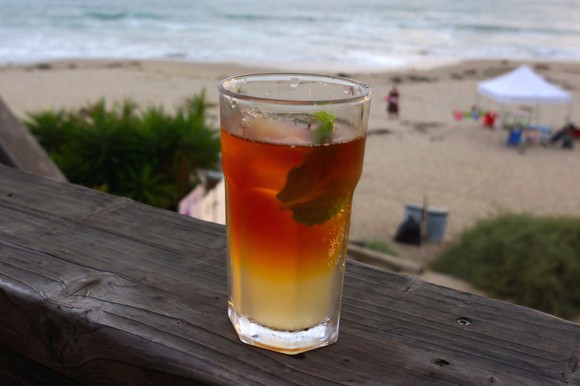
The view from the deck of the old wooden shack is a sweeping panorama of unspoiled Southern California sand and waves below a low cliff dotted with similarly ramshackle dwellings.
We are accustomed to an Orange County coastline stripped of its humble past. Yet here is a reminder of that lost world.
Founded by squatters in the 1920s, Crystal Cove was favored by Prohibition-era rumrunners who landed their illegal cargo here in the dark of night. Itinerant plein air painters immortalized this hidden beach and claimed it as their home.
More from Zester Daily:
» Cocktail hour: New players raise the bar for rum
» Rum rises above ‘demonic’ past
By the 1980s, the state of California was on a mission to “clean up” the dangerously decrepit community. Descendants of the founders fought back. Just when it appeared certain everything would be razed so that a massive hotel development could rise, the Laguna Beach community and other neighbors raised the funds necessary to preserve this tattered love note from California’s past.
We lifted our glasses of rum punch in honor of our friend Jennifer’s grandmother who once owned the cottage where we had gathered for cocktails. The particular privilege of growing up in such an unaffected oceanfront retreat has never been lost on our friend. She loves the fact that it remains exactly as she enjoyed it 50 years ago and now is available to everyone.
Of the 46 cottages in Crystal Cove, so far 29 have been restored. Two- and three-bedroom houses with full kitchens rent for less than $250 a night.
They were built for a nickel, says Harry Helling, president of the nonprofit Crystal Cove Alliance, which manages the California State Parks property. Renovating them without disturbing their original look costs as much as $750,000 each.
It’s “vernacular” architecture, he explains, a fancy term for using whatever is available to build a community. Most of the cottages were cobbled together from flotsam that washed ashore. A fancy teak bathroom sink was discovered in one home, a prize probably stripped from a shipwrecked sailboat.
Earthquake-proofing walls made out of 80-year-old pilfered highway billboards can be a challenge, says Helling.
Crystal Cove guests can skip the cooking and enjoy breakfast, lunch and dinner at the Beachcomber Cafe. An inviting broad, wooden terrace overlooks the ocean for al fresco dining.
View from the tasting cottage at Crystal Cove. Credit: Corie Brown

As the sun sinks low in the sky, families continue to play on the beach. Lovers return from strolling along the more than three miles of state park beach. No one rushes. We savor the moment with a Dark and Stormy made with Gosling’s Black Seal rum.
It is the only rum you can use if you are making a proper Dark and Stormy, Helling insists. In researching the history of the cove, the Prohibition-era cocktail culture has become a centerpiece of the Beachcomber’s bar service. Rum is the favored spirit.
He treats us to four of his concoctions. The cocktail hour ends as the sun sinks below the horizon. We amble over to the Beachcomber for a starlit dinner.
Four rum cocktail recipes, courtesy of Harry Helling.
Paradise Rum Swizzle
With a nod to the Barbados drink whisked with the stem of a native plant, Helling uses Rhum Barbancourt from Haiti. The swizzle sticks are Crystal Cove driftwood.
Ingredients
2 ounce Rhum Barbancourt
1 ounce fresh honeydew juice
1 ounce coconut water
½ ounce fresh lemon juice
½ ounce simple syrup (1 part water to 1 part sugar)
4 dashes of Angostura bitters
Directions
Pack a glass with crushed ice, swizzle rum, syrup and juices, top with bitters and sprig of mint.
Prohibition Punch
Helling adapted this recipe from the one served at Campbell Apartment, a 1920s apartment-turned-bar in New York City’s Grand Central Station. It is made by the pitcherful.
Ingredients
12 ounce Pusser’s British Navy Rum
3 ounces Grand Marnier
2 ounces fresh lime juice
20 ounces mango juice and water (1:1)
6 ounces cranberry juice
Champagne
Directions
Shake with ice, strain and float champagne on top with a pineapple garni.
Dark and Stormy
Invented in Bermuda just after World War I, Dark ‘n’ Stormy is a trademark-protected cocktail of rum and ginger beer. Helling adds lime juice — and so changes the spelling of the cocktail.
Ingredients
2 ounce Gosling’s Black Seal Bermuda Black Rum
4 ounce ginger beer
½ ounce fresh lime juice
Directions
Pour the ginger beer into a glassful of cracked ice and then add the Gosling’s topped with lime juice. Garnish with a fresh lime wedge.
Barrel Aged Rum Manhattan
It is increasingly popular to age rum in an oak cask to make a sipping drink. Helling served one from Venezuela.
Ingredients
2 ounces Ron Anejo Pampero Aniversario
1 ounce Carpano Antica Formula vermouth
½ ounce homemade bay leaf bitters
Directions
Pour the rum over an oversized ice cube in a short glass and stir with vermouth and bitters. Garnish with rum marinated blueberries and a flamed orange peel.
Main photo: Dark and Stormy rum cocktail at Crystal Cove. Credit: Chris Fager
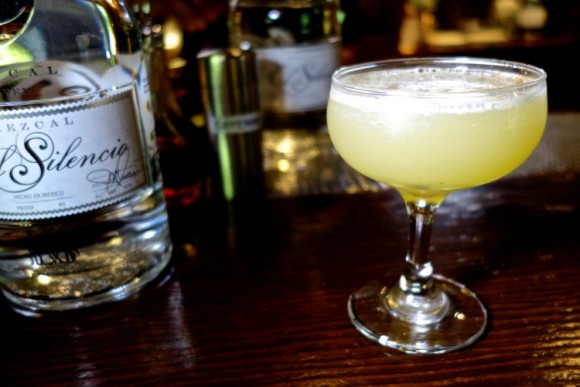
This year, the gloomy, wet, cold winter seemed to last forever. Happily all that is a dim memory now. With heat and humidity back in our lives, it’s time for ice cold beverages, with new concoctions always welcome. Increasingly, mezcal (also spelled mescal) is appearing in trendsetting bars and liquor stores and inventive mixologists are using it to make fun and refreshing cocktails, perfect for summer.
All tequilas are mezcal but not all mezcals are tequilas
The Mexican government controls how and where mezcal and tequila are produced. It is as diligent in protecting the integrity of those appellations as is the French government in its guarantee that a wine labeled Bordeaux comes from that region.
More from Zester Daily:
» Tequila goes from poolside to fireside
» The world’s best margarita recipe
» Spicy cocktails are hot, hot, hot
There is still a lot of confusion about mezcal, beginning with what exactly is it? To get to the heart of the matter, I talked with mixologist Marcos Tello, who consults with El Silencio, a distillery in Oaxaca, Mexico.
Tello explained that both mezcal and tequila are made from the agave or maguey plant. Although there are dozens of agave varieties that are employed to make mezcal, for a distillate to be licensed by the government as tequila, only the blue agave may be used.
Tequila and mezcal are grown and bottled in different, designated regions but there are some overlaps. Tequila is primarily grown and distilled in the Mexican states of Jalisco, Michoacán, Guanajuato, Nayarit and Tamaulipas.
Mezcal is exclusively manufactured in Durango, Guerrero, San Luis Potosi, Tamaulipas and Zacatecas but both mezcal and tequila are produced in the states of Guanajuato and Oaxaca.
Most mezcal is manufactured from a single type of plant, usually espadin agave. Sometimes agaves are blended to create a balanced flavor as is the case with El Silencio Mezcal, which blends espadin, tobasiche and Mexicano agaves.
Roasted, not steamed
To prepare the agave plant for fermentation, the body of the plant is trimmed of its thick leaves. What is left, the “piña,” looks like a pineapple. To make tequila, the piña is steamed and then fermented. For mezcal, the next step is crucial in creating the spirit’s distinctive flavor. Before fermentation, the piña is roasted in an underground pit. For aficionados, the resulting smoky aroma gives mezcal a quality similar to scotch and whiskey.
Like tequila, mezcal is graded. Joven (“young”), the first grade, indicates a mescal that was bottled within 60 days of being distilled. Reposado (“rested”) is aged longer, between two months and a year. If mezcal is aged in small oak barrels for at least six months and as many as four years, then it is labeled añejo (“aged”).
Among other classifications, there is also pechuga (“breast”), which denotes a small-batch mezcal that after completing two distillations is given a flavor-enhancing step in which fruits (plums, apples, pineapples and plantains), almonds, uncooked rice and a chicken breast with the skin removed are added. Yes, you read that correctly, a raw chicken breast, which is suspended over the fermenting distillate, the juices and fat helping balance the fruit flavors.
Mezcal cannot be substituted for tequila in all recipes. The deeply nuanced smoky flavor can overpower the ingredients used in many tequila cocktails. To illustrate mezcal’s distinctive qualities, Tello created a signature cocktail he calls a Saladito.
As with any cocktail that employs robust flavor components, the least expensive grade of mezcal should be used. Save the reposado, añejo and pechuga to sip and enjoy neat or on the rocks.
Proust wrote that when he was presented with a plate of madeleines, childhood memories of an “exquisite pleasure” consumed him. Saladitos have a similar impact on Tello. The inexpensive Mexican candy originally from China is made from chile-salted, dried plums. Tello was inspired by homemade versions of the candy. On hot summer days, children would press a saladito into the middle of a lemon or lime and drink the juice as relief from the oppressive heat. That flavor memory inspired his creation of a mezcal cocktail that has sweetness lurking behind the smoky citrus notes. To add a salty-heat garnish to the cocktail, Tello uses a popular Mexican prepared seasoning called Tajin, a mixture of salt, dehydrated lime juice and pepper powder. If Tajin is not readily available, a similar effect can be created by mixing your own version as described here.
Ingredients
- ¾ ounce honey syrup (see below)
- 2 ounces mezcal (Tello recommends El Silencio Joven)
- ¾ ounce freshly squeezed lime juice
- ¼ teaspoon Tajin seasoning or combine 2 parts fine granulated sea salt to 1 part cayenne pepper
Directions
- Prepare the honey syrup by combining 3 parts honey with 1 part hot water. Mix well. Refrigerate to cool. Reserve.
- Fill a cocktail shaker or a large (16-ounce) glass with ice.
- Add the mezcal, honey syrup and lime juice.
- Place a lid over the top and shake vigorously.
- Open the shaker, cover the top with a bar strainer (also known as a Hawthorne Strainer) and pour into a cocktail glass.
- Dust the top of the cocktail with Tajin seasoning or the cayenne-salt mix.
- Serve chilled.
Main photo: A mezcal Saladito by Marcos Tello. Credit: David Latt
I have been a customer of Javier Toscano’s for many years. He brings the juiciest melons, sweetest red onions and most colorful peppers to my local farmers market year round. So imagine my surprise a couple of years ago when he pulled a bottle of tequila from his truck and said he had begun importing the spirit from Mexico.
The market for handcrafted artisanal tequila is on the rise. In 2013, more than 13 million 9-liter cases were sold in the U.S., showing a steady growth of almost 6% each year since 2002. One reason for this increase is the ability of Mexican distillers to offer tequilas for every budget and occasion. The segment of the market for premium varieties has shown the most growth, with 2.1 million cases imported last year, so Toscano’s timing for his new venture was just about perfect.
Jalisco, Mexico, home to top-notch tequila brands
The highlands of Jalisco, Mexico, known as Los Altos, are home to some of the newest and most innovative brands of tequila in Mexico. Corazón, Cruz, Tezón and Corzo are just a few of the small-batch brands made in these hills using traditional methods. Many have won gold medals at the San Francisco World Spirits competition, widely regarded as one of the most respected international competitions.
More from Zester Daily:
» Cocktail hour: The rise of artisanal tequila
» Drink to this: World’s best margarita recipe
Toscano’s family has deep connections to Jalisco, home of agave farms and tequila distilleries. He was introduced to a distiller in the high country around Arandas who has been making tequila since the early 1900s. The quality and consistency of their product and impressive operation convinced Toscano and his partner, Jerry Gianni, that the distiller Mañana was the brand they wanted to import.
Mañana is small enough to be considered a boutique operation. The estate-grown agave comes from the approximately 400 acres of fields that are part of the distillery. The red dirt and cooler temperatures of the surrounding highlands are thought to produce sweeter tequila from the robust, abundant agave found in this region; lowland agave makes for a spicier spirit. Each plant takes six to eight years to mature and is pulled out of the ground at harvest so the farming operation involves successive plantings. The tough leaves are removed with a machete-like tool, leaving the large piña, or pineapple-looking heart, which can weigh as much as 250 pounds. The agave is then steamed in a wood-burning clay oven for three days until it is soft and golden, then put through a mill to extract all the juice. The juice is put into fermentation tanks, and yeast from Champagne in France is added to convert the sugar to alcohol. This special yeast adds a flavor and mild sweetness to the tequila and also helps to maintain a consistent product.
tequila2
Toscano tells me that during fermentation, classical music is played. When I give him a quizzical look, he says, “I thought the owner was joking with me when he told me, but he said that they actually do this, then I saw the speakers on the wall.” The theory is that the sound waves aid the movement of the microbes, contributing to the fermentation process.
Music playing during fermentation is done with wines in France, as well as with other tequilas in the Arandas region. After fermentation, the tequila is distilled twice in copper stills, which ensures even heating. Each time, 20% is skimmed off the head and tail to guarantee all impurities are removed; most distillers cut only 10% from each end. This skimming process creates a smoother, higher-quality product and reduces the likelihood of headaches. The tequila is aged in barrels that have previously held Jack Daniels, imparting a smoky, spicy note and hint of caramel color. The Reposado is aged for eight months, while the Anejo ages for two years. Just as the tequila is an artisan product, so too are the bottles in which it is sold. They are hand blown from recycled glass and the label is hand forged and hammered aluminum. Workers at the bottle factory sculpt the trademark man swinging in the hammock, which is on every Mañana bottleneck; the hammock actually swings!
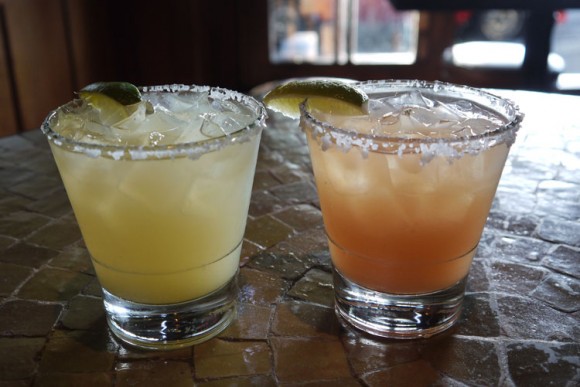
For my first taste of Mañana tequila, I headed down to Marinitas, a top-quality Mexican restaurant in Marin County, Calif., that has 101 brands of the spirit on its menu. A friend and I sampled one of the signature margaritas made with Mañana’s Anejo and a cocktail called a Paloma, which has grapefruit juice and Grand Marnier, using the Reposado. The more aged Anejo was silky smooth, and the Reposado cocktail was refreshing and drinkable.
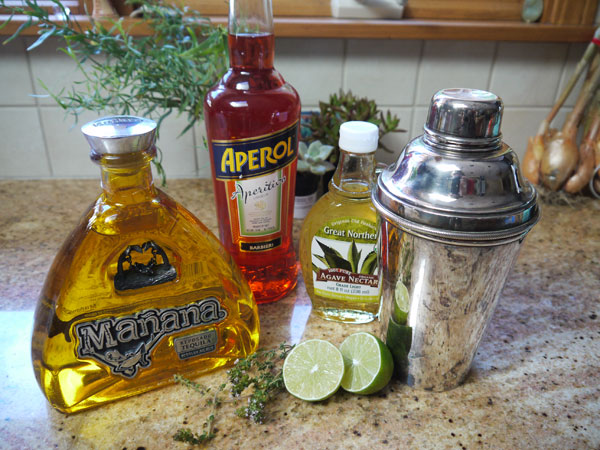
Back home, I tried my hand with a recipe Toscano had given me for a Las Brisas del Mañana (The Winds of Tomorrow), an interesting combination of juices, herbs and Reposado that was haunting and delicious, just as the name implies. Mañana tequila can be found in 13 states, and distribution is growing. As more people gain an appreciation for artisan spirits and the innate drinkability of premium tequila, the need for boutique distilleries like Mañana will continue to grow.
Recipe developed by Lacey Murillo.
Ingredients
- 1 thyme sprig
- 1½ ounces Mañana Reposada Tequila
- ½ ounce Aperol
- ½ ounce agave syrup
- ½ ounce fresh-squeezed lime juice
- 5 ounces fresh orange juice
- Orange slice and thyme spring for garnish
Directions
- Muddle the thyme in a cocktail shaker.
- Add the rest of the ingredients and fill with ice.
- Shake well, then strain into a cocktail glass.
- Garnish with an orange slice and thyme sprig. Enjoy!
Main photo: Two cocktails from Marinitas in Marin County, Calif.: a margarita made with Mañana Anejo, left, and a Paloma made with the brand’s Reposado. Credit: Brooke Jackson